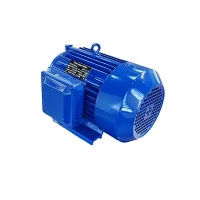
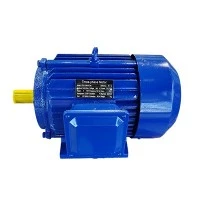
Hey there! As a supplier of AC induction motors, I've seen firsthand the importance of efficiency in these machines. Whether you're running a small workshop or a large industrial facility, getting the most out of your AC induction motor can save you time, money, and energy. In this blog post, I'm going to share some tips on how you can improve the efficiency of an AC induction motor.
1. Choose the Right Motor Size
One of the most crucial steps in improving motor efficiency is selecting the right size motor for your application. A motor that's too large for the job will consume more energy than necessary, while a motor that's too small will struggle to perform and may overheat. When choosing a motor, consider the load requirements of your application, including the torque, speed, and power needed. You can also look for motors with a high efficiency rating, which are designed to use less energy while delivering the same performance.
If you're not sure which motor size is right for your application, don't hesitate to reach out to us. We've got a team of experts who can help you select the perfect motor for your needs. And if you're interested in a single-phase option, check out our 1 Phase AC Motor and AC Single Phase Induction Motor offerings.
2. Maintain Proper Voltage and Frequency
AC induction motors are designed to operate at specific voltage and frequency levels. Deviations from these levels can cause the motor to run less efficiently and may even damage the motor over time. To ensure optimal efficiency, make sure your motor is connected to a power source that provides the correct voltage and frequency. You can use a voltmeter and frequency meter to check the power supply and make any necessary adjustments.


It's also important to keep an eye on the power quality in your facility. Voltage sags, surges, and harmonics can all affect motor efficiency. Using voltage regulators, surge protectors, and harmonic filters can help protect your motor from these power quality issues and improve its overall efficiency.
3. Keep the Motor Clean and Lubricated
A clean and well-lubricated motor is a happy and efficient motor. Dirt, dust, and debris can accumulate on the motor's windings and bearings, which can increase friction and reduce efficiency. Regularly cleaning the motor and its surroundings can help prevent this buildup. You can use a soft brush or compressed air to remove any dirt or debris from the motor.
Proper lubrication is also essential for motor efficiency. The bearings in an AC induction motor need to be lubricated to reduce friction and wear. Make sure to use the right type of lubricant and follow the manufacturer's recommendations for lubrication intervals. Over-lubrication can be just as bad as under-lubrication, so be careful not to overdo it.
4. Optimize the Motor's Control System
The control system of an AC induction motor plays a big role in its efficiency. By using advanced control techniques, you can adjust the motor's speed and torque to match the load requirements of your application more precisely. This can help reduce energy consumption and improve overall efficiency.
For example, variable frequency drives (VFDs) are a popular choice for controlling AC induction motors. VFDs allow you to vary the frequency and voltage supplied to the motor, which in turn allows you to control the motor's speed. By adjusting the speed of the motor based on the load, you can avoid running the motor at full speed when it's not necessary, which can save a significant amount of energy.
Another option is to use a soft starter. A soft starter gradually increases the voltage applied to the motor during startup, which reduces the inrush current and stress on the motor. This can not only improve the motor's efficiency but also extend its lifespan.
5. Upgrade to a High-Efficiency Motor
If your existing AC induction motor is old or inefficient, it may be worth considering upgrading to a high-efficiency motor. High-efficiency motors are designed with advanced materials and technologies that reduce energy losses and improve performance. They typically have a higher efficiency rating than standard motors, which means they use less energy to produce the same amount of power.
When upgrading to a high-efficiency motor, make sure to choose a motor that's compatible with your existing equipment and application. You may also need to make some adjustments to your control system to ensure optimal performance.
6. Monitor and Analyze Motor Performance
Regularly monitoring and analyzing the performance of your AC induction motor can help you identify any issues that may be affecting its efficiency. You can use motor monitoring devices to track parameters such as current, voltage, power, and temperature. By analyzing this data over time, you can detect trends and anomalies that may indicate a problem with the motor.
For example, if you notice a sudden increase in current or temperature, it could be a sign of a problem such as a short circuit or a bearing failure. By catching these issues early, you can take corrective action before they cause more serious damage to the motor and reduce its efficiency.
7. Consider the Use of an AC Torque Motor
In some applications, an AC Torque Motor may be a better choice than a standard AC induction motor. AC torque motors are designed to provide high torque at low speeds, which makes them ideal for applications that require precise control of torque. They can also operate at a constant torque over a wide range of speeds, which can improve efficiency in applications where the load varies.
If you're not sure if an AC torque motor is right for your application, our experts can help you evaluate your options and determine the best motor for your needs.
Conclusion
Improving the efficiency of an AC induction motor is a multi-faceted process that involves choosing the right motor, maintaining proper operating conditions, and using advanced control techniques. By following the tips outlined in this blog post, you can significantly reduce the energy consumption of your AC induction motor and save money on your electricity bills.
If you're interested in learning more about our AC induction motors or need help improving the efficiency of your existing motors, don't hesitate to contact us. We're here to help you find the best solutions for your specific needs. Whether you're looking for a new motor or need advice on motor maintenance and optimization, our team of experts is ready to assist you. Let's work together to make your operations more efficient and cost-effective.
References
- Electric Motor Handbook, various editions
- IEEE Standards for Electric Motors
- Manufacturer's documentation for AC induction motors