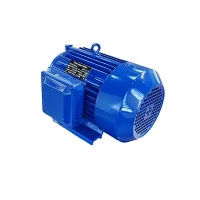
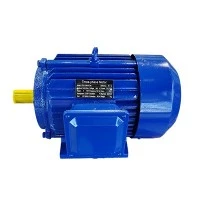
In the world of industrial motors, the NEMA 56C motor stands as a cornerstone of reliability and performance. As a dedicated supplier of NEMA 56C motors, I've witnessed firsthand the critical role these motors play in various applications. One of the most important yet often misunderstood aspects of these motors is the breakdown torque. In this blog post, I'll delve into what breakdown torque is, why it matters for NEMA 56C motors, and how it impacts your operations.
Understanding Torque Basics
Before we dive into breakdown torque, let's briefly review the concept of torque itself. Torque is the rotational force that causes an object to rotate around an axis. In the context of motors, torque is what enables the motor to drive machinery, from conveyor belts to pumps and fans. It's measured in units such as pound - feet (lb - ft) or Newton - meters (N·m).
There are different types of torque associated with motors, including starting torque, running torque, and breakdown torque. Starting torque is the torque produced by the motor when it starts from a standstill. Running torque is the torque required to keep the motor running at a constant speed under normal operating conditions. Breakdown torque, on the other hand, is the maximum torque that a motor can develop without an abrupt drop in speed or stalling.
What is Breakdown Torque of a NEMA 56C Motor?
The NEMA 56C motor is a type of motor standardized by the National Electrical Manufacturers Association (NEMA). These motors are commonly used in a wide range of industrial and commercial applications due to their compact size and reliable performance.
The breakdown torque of a NEMA 56C motor represents the upper limit of the motor's torque - producing capability. When the load on the motor increases to a point where the required torque exceeds the breakdown torque, the motor speed will rapidly decline, and it may eventually stall. This is a critical parameter because it determines the motor's ability to handle sudden or heavy load increases.
For a NEMA 56C motor, the breakdown torque is typically specified as a percentage of the rated torque. For example, a motor might have a breakdown torque rating of 200% of the rated torque. This means that the motor can briefly handle a load that requires up to twice the rated torque without stalling. However, it's important to note that operating the motor at or near its breakdown torque for an extended period can lead to overheating and premature motor failure.
Factors Affecting Breakdown Torque
Several factors can influence the breakdown torque of a NEMA 56C motor:
Motor Design
The internal design of the motor, including the number of poles, winding configuration, and the type of rotor, plays a significant role in determining the breakdown torque. Motors with a higher number of poles generally have lower breakdown torques but can operate at lower speeds. The winding configuration affects the magnetic field distribution within the motor, which in turn impacts the torque - producing capability.
Power Supply
The quality and characteristics of the power supply also affect the breakdown torque. A stable voltage supply is crucial for maintaining the motor's performance. Voltage fluctuations, especially a significant drop in voltage, can reduce the breakdown torque of the motor. Additionally, the frequency of the power supply can influence the motor's speed - torque characteristics.
Load Characteristics
The nature of the load connected to the motor is another important factor. Some loads, such as those with high inertia, require a higher starting and breakdown torque to get them moving and keep them running. For example, a large flywheel or a heavy conveyor belt will demand more torque from the motor compared to a lighter, less inertial load.
Importance of Breakdown Torque in Applications
The breakdown torque of a NEMA 56C motor is of utmost importance in many industrial applications:


Starting Heavy Loads
In applications where the motor needs to start a heavy load, such as a compressor or a large pump, the breakdown torque ensures that the motor can overcome the initial inertia and get the load moving. Without sufficient breakdown torque, the motor may struggle to start, leading to extended start - up times or even stalling.
Handling Sudden Load Changes
Industrial processes often involve sudden changes in load. For instance, a conveyor belt may suddenly receive a large batch of materials, increasing the load on the motor. The breakdown torque allows the motor to handle these sudden load increases without losing speed or stalling, ensuring the smooth operation of the entire system.
Preventing Motor Damage
By understanding the breakdown torque of the NEMA 56C motor, operators can avoid overloading the motor. Operating the motor beyond its breakdown torque for an extended period can cause excessive heat generation, which can damage the motor windings and other components. This can lead to costly repairs and downtime.
Selecting the Right NEMA 56C Motor Based on Breakdown Torque
When selecting a NEMA 56C motor for your application, it's essential to consider the breakdown torque requirements. Here are some steps to help you make the right choice:
Determine the Load Requirements
First, analyze the load characteristics of your application. Calculate the starting torque and the maximum torque required during normal operation. Consider factors such as the inertia of the load, the type of load (constant - torque or variable - torque), and any potential sudden load changes.
Consult the Motor Specifications
Review the specifications of different NEMA 56C motors. Look for the breakdown torque rating, which is usually provided as a percentage of the rated torque. Ensure that the motor you choose has a breakdown torque that can meet or exceed the requirements of your application.
Consider Future Expansion
If you anticipate future changes or expansions in your application, it's advisable to select a motor with a slightly higher breakdown torque than currently required. This provides some margin for error and allows the motor to handle increased loads in the future.
Our Offerings as a NEMA 56C Motor Supplier
As a supplier of NEMA 56C motors, we understand the importance of breakdown torque in your applications. We offer a wide range of NEMA Rated Motor that are designed to meet the diverse needs of our customers. Our NEMA Premium 3 Phase Motor and NEMA Premium Efficient Motor are engineered to provide high - quality performance, including reliable breakdown torque.
We work closely with our customers to understand their specific requirements and recommend the most suitable motor for their applications. Our team of experts can assist you in calculating the breakdown torque requirements and selecting the right motor to ensure optimal performance and efficiency.
Conclusion
The breakdown torque of a NEMA 56C motor is a critical parameter that determines the motor's ability to handle heavy loads and sudden load changes. By understanding the factors that affect breakdown torque and selecting the right motor for your application, you can ensure the smooth and reliable operation of your industrial processes.
If you're in the market for a NEMA 56C motor or have any questions about breakdown torque, we're here to help. Contact us to discuss your requirements and explore our range of high - quality motors. We look forward to partnering with you to meet your motor needs.
References
- National Electrical Manufacturers Association (NEMA) standards for motors.
- Motor engineering textbooks and technical literature on electric motor design and performance.