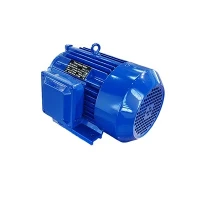
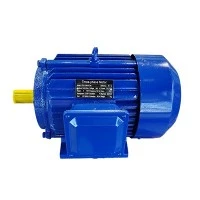
In the ever - evolving field of aerospace, the selection of motors is a critical decision that can significantly impact the performance, reliability, and safety of aerospace systems. As a supplier of AC Torque Motors, I am often asked whether these motors can be used in aerospace applications. In this blog, we will explore the characteristics of AC Torque Motors, the requirements of aerospace applications, and analyze the feasibility of using AC Torque Motors in this high - tech domain.
Characteristics of AC Torque Motors
AC Torque Motors are a type of single - phase AC motor designed to provide high torque at low speeds. They are known for their ability to operate continuously at stall without overheating, which is a unique feature compared to other types of motors. This characteristic makes them suitable for applications where a constant torque is required, such as in winding, tension control, and positioning systems.
One of the key advantages of AC Torque Motors is their simple and robust construction. They typically consist of a stator with a distributed winding and a rotor with a high - resistance cage. This design allows for a high starting torque and smooth operation over a wide speed range. Additionally, AC Torque Motors are relatively easy to control, as they can be operated using standard AC power sources and simple control circuits.

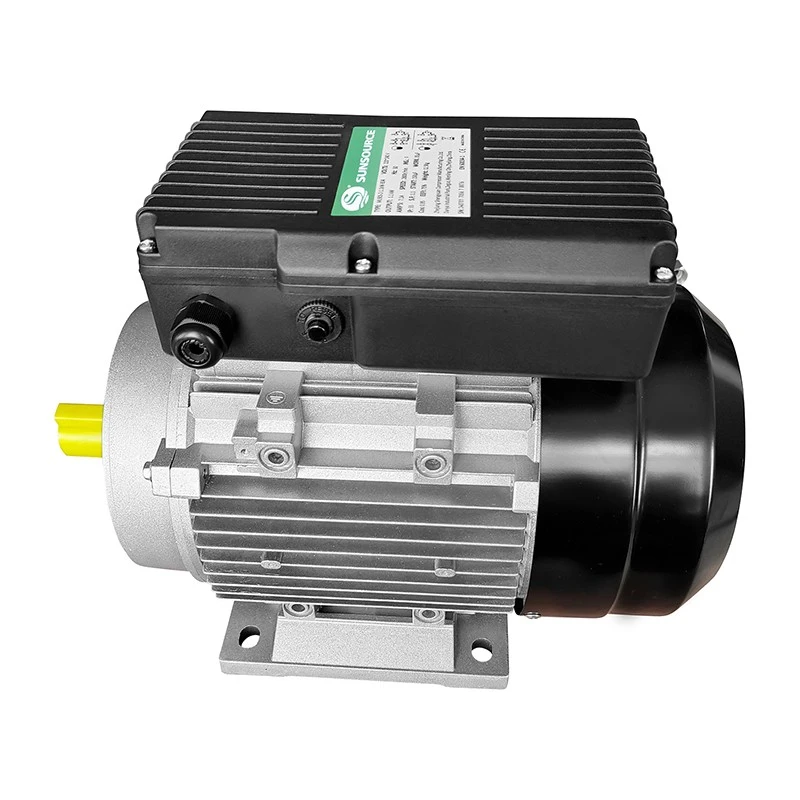
The AC Torque Motor also offers good speed regulation. It can maintain a relatively constant speed even when the load varies, which is essential for many industrial applications. Moreover, these motors are cost - effective, making them an attractive option for a wide range of industries.
Requirements of Aerospace Applications
Aerospace applications have extremely high requirements for motors. Firstly, reliability is of utmost importance. Motors used in aerospace systems must be able to operate continuously and stably for long periods without failure. Any motor malfunction can lead to serious consequences, including flight safety hazards. Therefore, motors need to have high - quality components and strict manufacturing processes to ensure their reliability.
Secondly, weight is a critical factor in aerospace. Every additional gram of weight can increase fuel consumption and reduce the payload capacity of an aircraft or spacecraft. As a result, motors used in aerospace applications need to be lightweight while still providing sufficient power and torque.
In addition, aerospace motors need to be able to withstand harsh environmental conditions. They may be exposed to extreme temperatures, high levels of vibration, and radiation. Motors must be designed to operate effectively under these conditions without degradation of performance.
Another requirement is high - precision control. In aerospace systems, motors are often used for tasks such as flight control surfaces, landing gear operation, and payload positioning. Precise control of motor speed and torque is essential for the accurate operation of these systems.
Feasibility of Using AC Torque Motors in Aerospace Applications
Advantages
- Torque characteristics: The high - torque - at - low - speed characteristic of AC Torque Motors can be beneficial in some aerospace applications. For example, in the operation of landing gear, a high starting torque is required to move the heavy components. AC Torque Motors can provide this initial high torque, ensuring smooth operation of the landing gear.
- Reliability: With proper design and manufacturing, AC Torque Motors can achieve a high level of reliability. Their simple construction with fewer moving parts reduces the risk of mechanical failure. This simplicity also means that there are fewer components that can malfunction, increasing the overall reliability of the motor.
- Cost - effectiveness: In some aerospace projects with budget constraints, the cost - effectiveness of AC Torque Motors can be an advantage. They offer a relatively low - cost solution compared to some specialized aerospace motors, while still providing satisfactory performance in certain applications.
Disadvantages
- Weight: Traditional AC Torque Motors may be relatively heavy compared to some advanced aerospace - specific motors. The high - resistance rotor and stator windings can contribute to a higher weight, which may not meet the strict weight requirements of aerospace applications.
- Environmental adaptability: Standard AC Torque Motors may not be well - equipped to handle the extreme environmental conditions in aerospace. For example, they may not be able to operate effectively at very low or very high temperatures without additional modifications.
- Precision control: While AC Torque Motors offer good speed regulation, they may not provide the same level of precision control as some high - end servo motors commonly used in aerospace. In applications where extremely precise positioning and speed control are required, AC Torque Motors may fall short.
Solutions and Adaptations
To overcome the limitations of AC Torque Motors in aerospace applications, several solutions can be considered.
Weight reduction
Advanced materials can be used in the construction of AC Torque Motors to reduce weight. For example, lightweight alloys can be used for the motor housing and rotor, while high - performance magnetic materials can be used to improve the motor's power - to - weight ratio.
Environmental protection
Special coatings and encapsulation techniques can be applied to AC Torque Motors to enhance their environmental adaptability. These coatings can protect the motor from moisture, corrosion, and radiation, allowing it to operate in harsh aerospace environments.
Precision control improvement
By integrating advanced control algorithms and feedback systems, the precision control of AC Torque Motors can be improved. For example, using a closed - loop control system with a high - resolution encoder can significantly enhance the motor's speed and position control accuracy.
Case Studies
Although AC Torque Motors are not as commonly used in aerospace as some other types of motors, there are still some potential application scenarios. For instance, in some small - scale unmanned aerial vehicles (UAVs), AC Torque Motors can be used for tasks such as payload positioning and small - scale actuator control. The relatively low cost and sufficient torque of AC Torque Motors make them a viable option for these applications.
In some ground - support equipment for aerospace, such as aircraft maintenance platforms and cargo handling systems, AC Torque Motors can also be used. These applications do not have the same strict weight and environmental requirements as in - flight systems, and the characteristics of AC Torque Motors can meet the operational needs.
Conclusion
In conclusion, while AC Torque Motors face some challenges in meeting the strict requirements of aerospace applications, they also have certain advantages that make them potentially suitable for some specific scenarios. With appropriate adaptations and improvements, such as weight reduction, enhanced environmental protection, and improved precision control, AC Torque Motors can play a role in the aerospace industry.
As a supplier of AC Torque Motors, we are committed to continuously improving the performance of our motors to meet the evolving needs of the aerospace sector. If you are interested in exploring the use of AC Torque Motors in your aerospace projects, or if you have any questions about our products, please feel free to contact us for further discussion and procurement negotiations.
References
- "Motor Handbook" - A comprehensive guide on different types of motors and their applications.
- "Aerospace Systems Engineering" - A book that details the requirements and design considerations for motors in aerospace applications.
- Industry research reports on the use of motors in aerospace, which provide insights into the current trends and challenges in motor selection for this industry.