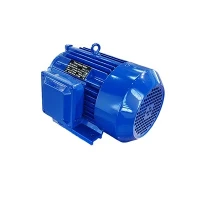
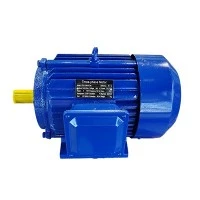
In the realm of electrical engineering, single-phase AC motors are ubiquitous, powering a wide array of household appliances, small industrial equipment, and commercial devices. As a leading supplier of 1 Phase AC Motors, I've witnessed firsthand how the load on these motors significantly impacts their performance. In this blog, we'll delve into the intricate relationship between load and the performance of 1 Phase AC Motors, exploring the various types of loads, their effects on motor operation, and how to optimize motor performance under different load conditions.
Understanding Single-Phase AC Motors
Before we discuss the impact of load, let's briefly review the basics of single-phase AC motors. There are several types of single-phase AC motors, each with its own unique characteristics and applications. The most common types include AC Single Phase Induction Motor, AC Capacitor Motor, and Single AC Motor.
Single-phase induction motors are the most widely used type of single-phase AC motor. They are simple in construction, reliable, and cost-effective. These motors operate on the principle of electromagnetic induction, where a rotating magnetic field is created in the stator, which induces a current in the rotor, causing it to rotate.
Capacitor motors, on the other hand, use a capacitor to create a phase shift in the current supplied to the motor, which helps to improve the starting torque and efficiency of the motor. These motors are commonly used in applications where high starting torque is required, such as refrigerators, air conditioners, and compressors.
Single AC motors are a general term used to describe any type of single-phase AC motor. They can be either induction motors or capacitor motors, depending on the specific application requirements.
Types of Loads
The load on a 1 Phase AC Motor can be classified into three main types: constant torque load, variable torque load, and constant power load.


- Constant Torque Load: A constant torque load requires a constant amount of torque to operate, regardless of the speed of the motor. Examples of constant torque loads include conveyor belts, cranes, and hoists. In these applications, the load torque remains the same throughout the operating range of the motor, and the motor must be able to provide the required torque at all speeds.
- Variable Torque Load: A variable torque load requires a torque that varies with the speed of the motor. Examples of variable torque loads include fans, pumps, and blowers. In these applications, the load torque increases as the speed of the motor increases, and the motor must be able to provide the required torque at different speeds.
- Constant Power Load: A constant power load requires a constant amount of power to operate, regardless of the speed of the motor. Examples of constant power loads include machine tools, such as lathes and milling machines. In these applications, the load power remains the same throughout the operating range of the motor, and the motor must be able to provide the required power at all speeds.
Effects of Load on Motor Performance
The load on a 1 Phase AC Motor has a significant impact on its performance. Here are some of the key performance parameters that are affected by the load:
- Speed: The speed of a 1 Phase AC Motor is directly related to the load torque. As the load torque increases, the speed of the motor decreases. This is because the motor must work harder to overcome the load torque, which requires more current to be drawn from the power supply. As a result, the magnetic field in the motor weakens, causing the speed to decrease.
- Torque: The torque of a 1 Phase AC Motor is also directly related to the load. As the load torque increases, the motor must provide more torque to overcome the load. This requires more current to be drawn from the power supply, which can cause the motor to overheat if the load is too high.
- Efficiency: The efficiency of a 1 Phase AC Motor is affected by the load. At light loads, the motor operates at a lower efficiency because the fixed losses in the motor, such as core losses and friction losses, remain constant regardless of the load. As the load increases, the motor operates at a higher efficiency because the fixed losses become a smaller percentage of the total power input. However, if the load is too high, the motor may operate at a lower efficiency due to increased copper losses and other factors.
- Power Factor: The power factor of a 1 Phase AC Motor is also affected by the load. At light loads, the power factor of the motor is low because the motor draws a large amount of reactive power from the power supply. As the load increases, the power factor of the motor improves because the motor draws more real power from the power supply. However, if the load is too high, the power factor of the motor may decrease due to increased harmonic distortion and other factors.
Optimizing Motor Performance Under Different Load Conditions
To optimize the performance of a 1 Phase AC Motor under different load conditions, it is important to select the right motor for the application and to operate the motor within its rated capacity. Here are some tips for optimizing motor performance:
- Select the Right Motor: When selecting a 1 Phase AC Motor for an application, it is important to consider the type of load, the required torque, the speed, and the efficiency of the motor. Make sure to choose a motor that is rated for the maximum load torque and speed requirements of the application.
- Size the Motor Correctly: It is important to size the motor correctly for the application. A motor that is too small for the load will operate at a higher temperature and may overheat, while a motor that is too large for the load will operate at a lower efficiency and may waste energy.
- Use a Variable Frequency Drive (VFD): A VFD can be used to control the speed and torque of a 1 Phase AC Motor. By adjusting the frequency and voltage of the power supply to the motor, a VFD can optimize the motor's performance under different load conditions. This can improve the efficiency of the motor, reduce energy consumption, and extend the life of the motor.
- Maintain the Motor Properly: Regular maintenance of the motor is essential for optimizing its performance. This includes checking the motor's bearings, lubricating the motor, and cleaning the motor's windings. By maintaining the motor properly, you can prevent premature failure and ensure that the motor operates at its peak performance.
Conclusion
In conclusion, the load on a 1 Phase AC Motor has a significant impact on its performance. By understanding the different types of loads, their effects on motor operation, and how to optimize motor performance under different load conditions, you can ensure that your motor operates efficiently and reliably. As a leading supplier of 1 Phase AC Motors, we have the expertise and experience to help you select the right motor for your application and to provide you with the support and service you need to keep your motor running smoothly. If you have any questions or need assistance with your motor selection or application, please don't hesitate to contact us. We look forward to working with you to meet your motor needs.
References
- Fitzgerald, A. E., Kingsley, C., & Umans, S. D. (2003). Electric Machinery (6th ed.). McGraw-Hill.
- Chapman, S. J. (2012). Electric Machinery Fundamentals (5th ed.). McGraw-Hill.
- Kosow, I. (1993). Electric Machinery and Transformers (3rd ed.). Prentice Hall.