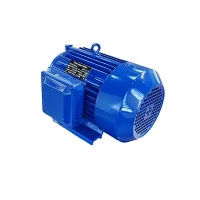
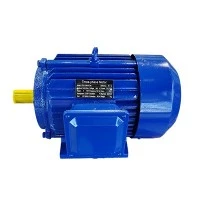
As a supplier of NEMA 56 motors, I often encounter inquiries about the duty cycle of these motors. Understanding the duty cycle is crucial for proper motor selection and application, as it directly impacts the motor's performance, reliability, and lifespan. In this blog post, I will delve into the concept of duty cycle, explain its significance for NEMA 56 motors, and provide insights to help you make informed decisions when choosing a motor for your specific needs.
What is Duty Cycle?
Duty cycle refers to the ratio of the time a motor operates under load to the total time of a complete operating cycle, expressed as a percentage. It is a measure of how often and for how long a motor can run continuously without overheating or suffering damage. A complete operating cycle consists of a period of operation under load followed by a period of rest or no-load operation.
For example, a motor with a 50% duty cycle can operate under load for half of the total cycle time and must rest for the other half to prevent overheating. If the total cycle time is 10 minutes, the motor can run for 5 minutes under load and then needs to rest for 5 minutes before it can be operated again.
Importance of Duty Cycle for NEMA 56 Motors
NEMA 56 motors are a popular choice for various industrial and commercial applications due to their robust design, high efficiency, and reliable performance. However, like all motors, they have specific limitations regarding their duty cycle. Understanding these limitations is essential to ensure the motor operates safely and efficiently in your application.
- Preventing Overheating: Motors generate heat when they operate under load. If a motor is run continuously for an extended period without sufficient rest, the heat can build up, causing the motor's temperature to rise above its rated limit. This can lead to insulation breakdown, winding damage, and ultimately, motor failure. By selecting a motor with an appropriate duty cycle, you can prevent overheating and extend the motor's lifespan.
- Optimizing Performance: The duty cycle of a motor affects its performance characteristics, such as torque, speed, and efficiency. A motor operating within its rated duty cycle will provide consistent performance and deliver the required power output. On the other hand, a motor that is overloaded or run for longer than its rated duty cycle may experience reduced performance, increased energy consumption, and premature wear and tear.
- Meeting Application Requirements: Different applications have different duty cycle requirements. For example, a motor used in a conveyor system may need to run continuously for long periods, while a motor used in a intermittent operation, such as a lifting mechanism, may only need to run for short bursts. By understanding the duty cycle requirements of your application, you can select a NEMA 56 motor that is capable of meeting those requirements.
Duty Cycle Ratings for NEMA 56 Motors
NEMA (National Electrical Manufacturers Association) has established standard duty cycle ratings for motors, including NEMA 56 motors. These ratings provide a common framework for motor manufacturers and users to understand the operating capabilities of motors. The most common duty cycle ratings for NEMA 56 motors are:
- Continuous Duty (S1): A motor with a continuous duty rating can operate under full load continuously without any time limit. This type of motor is designed to dissipate heat effectively and can handle long periods of operation without overheating. Continuous duty motors are commonly used in applications that require constant operation, such as pumps, fans, and conveyors.
- Short-Time Duty (S2): A short-time duty motor is designed to operate under full load for a specified period, followed by a period of rest. The specified operating time is typically between 10 minutes and 1 hour, depending on the motor's design and rating. Short-time duty motors are commonly used in applications that require intermittent operation, such as crane hoists, elevators, and machine tools.
- Intermittent Duty (S3): An intermittent duty motor operates under load for a series of short periods, separated by periods of rest. The load and rest periods are not necessarily equal, and the motor is not designed to run continuously. Intermittent duty motors are commonly used in applications that require frequent starts and stops, such as printing presses, packaging machines, and material handling equipment.
- Periodic Duty (S4 - S10): Periodic duty motors have more complex duty cycles that involve a combination of load and rest periods, with varying levels of load and speed. These duty cycles are typically defined by specific patterns and are used in applications that require precise control and regulation, such as robotics, servo systems, and variable speed drives.
Factors Affecting Duty Cycle
Several factors can affect the duty cycle of a NEMA 56 motor, including:
- Load Characteristics: The type and magnitude of the load placed on the motor can significantly impact its duty cycle. A motor operating under a heavy load will generate more heat and may require a lower duty cycle to prevent overheating. Conversely, a motor operating under a light load may be able to operate for longer periods without overheating.
- Ambient Temperature: The temperature of the surrounding environment can also affect the motor's duty cycle. A motor operating in a high-temperature environment will have a lower duty cycle than a motor operating in a cooler environment. This is because the motor will have a harder time dissipating heat in a hot environment, and the risk of overheating is increased.
- Ventilation and Cooling: The effectiveness of the motor's ventilation and cooling system can also impact its duty cycle. A motor with good ventilation and cooling will be able to dissipate heat more efficiently and may be able to operate for longer periods without overheating. Conversely, a motor with poor ventilation and cooling may have a lower duty cycle and may require additional cooling measures, such as fans or heat sinks.
- Motor Design and Construction: The design and construction of the motor can also affect its duty cycle. Motors with larger frames, more windings, and better insulation are generally able to handle higher loads and longer duty cycles. Additionally, motors with advanced cooling technologies, such as forced air cooling or liquid cooling, may be able to operate for longer periods without overheating.
Selecting the Right NEMA 56 Motor for Your Application
When selecting a NEMA 56 motor for your application, it is important to consider the duty cycle requirements of your application, as well as the factors that can affect the motor's duty cycle. Here are some steps to help you select the right motor:
- Determine the Duty Cycle Requirements: First, determine the duty cycle requirements of your application. Consider the type and magnitude of the load, the frequency of starts and stops, and the duration of operation. Based on this information, you can select a motor with an appropriate duty cycle rating.
- Consider the Ambient Conditions: Next, consider the ambient conditions in which the motor will operate. If the motor will be operating in a high-temperature environment, you may need to select a motor with a lower duty cycle rating or additional cooling measures.
- Evaluate the Motor's Performance Characteristics: In addition to the duty cycle rating, consider the motor's performance characteristics, such as torque, speed, and efficiency. Make sure the motor is capable of delivering the required power output and performance for your application.
- Choose a Reputable Manufacturer: Finally, choose a reputable manufacturer that offers high-quality NEMA 56 motors. A reputable manufacturer will provide detailed product specifications and ratings, as well as technical support and after-sales service.
Conclusion
Understanding the duty cycle of a NEMA 56 motor is essential for proper motor selection and application. By selecting a motor with an appropriate duty cycle rating and considering the factors that can affect the motor's duty cycle, you can ensure the motor operates safely, efficiently, and reliably in your application.


If you are in the market for a NEMA 56 motor, we invite you to explore our range of Small NEMA Motor, NEMA Premium Efficient Motor, and NEMA AC Motor. Our motors are designed to meet the highest standards of quality and performance, and we offer a wide range of duty cycle ratings to suit your specific needs.
Contact us today to discuss your motor requirements and let us help you find the perfect solution for your application.
References
- National Electrical Manufacturers Association (NEMA). (2023). NEMA Standards Publication MG 1 - Motors and Generators.
- Electric Motor Handbook. (2023). Duty Cycle and Motor Rating.