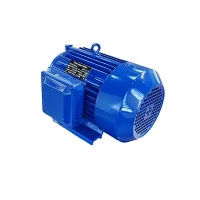
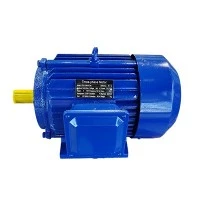
As a long - time supplier of NEMA rated motors, I've often been asked whether these motors can find their place in the automotive industries. This question is not only relevant but also crucial for both motor manufacturers and automotive engineers. In this blog, I'll delve into the characteristics of NEMA rated motors, the requirements of the automotive industry, and explore the feasibility of using NEMA rated motors in automotive applications.
Understanding NEMA Rated Motors
NEMA, or the National Electrical Manufacturers Association, has established a set of standards for electric motors in North America. These standards cover various aspects such as dimensions, performance, efficiency, and safety. NEMA rated motors are known for their reliability, standardization, and wide availability.
Standardization and Compatibility
One of the key advantages of NEMA rated motors is their standardization. The NEMA standards ensure that motors of the same frame size are interchangeable, which simplifies the replacement and maintenance process. For example, a NEMA 56 Motor has well - defined physical dimensions, shaft sizes, and mounting configurations. This standardization allows for easy integration into different systems where a motor is required.
Performance and Efficiency
NEMA also sets performance and efficiency standards for motors. NEMA Electric Motor designs are optimized to provide a certain level of power output, speed, and torque. Additionally, NEMA Premium efficiency motors, like the NEMA Premium 3 Phase Motor, are designed to meet higher efficiency requirements, which can lead to energy savings over the motor's lifespan.
Requirements of the Automotive Industry
The automotive industry has its own unique set of requirements for motors, driven by factors such as vehicle performance, safety, and environmental regulations.
High - Performance and Compact Design
Automotive applications often demand high - performance motors that can deliver a large amount of power in a compact space. For example, electric vehicles (EVs) require motors that can provide high torque at low speeds for quick acceleration and efficient power delivery at high speeds for cruising. These motors need to be lightweight and have a small footprint to fit within the vehicle's chassis without sacrificing too much interior or cargo space.
Reliability and Durability
Reliability is of utmost importance in the automotive industry. Motors in vehicles need to operate continuously under various conditions, including extreme temperatures, vibrations, and humidity. They must be able to withstand thousands of hours of use without failure, as a motor breakdown can lead to significant safety risks and costly repairs.
Safety and Compliance
Automotive motors must comply with strict safety standards. These standards cover aspects such as electrical insulation, protection against short - circuits, and prevention of overheating. Additionally, motors need to be designed to minimize electromagnetic interference (EMI) to avoid affecting other electronic systems in the vehicle.
Feasibility of Using NEMA Rated Motors in Automotive Industries
Advantages
Standardization Benefits
The standardization of NEMA rated motors can be an advantage in some automotive applications. For example, in non - critical auxiliary systems such as windshield wipers, HVAC blowers, or power windows, the interchangeability of NEMA motors can simplify the manufacturing and maintenance processes. If a motor fails in one of these systems, a NEMA - compliant replacement can be easily sourced and installed.
Efficiency
NEMA Premium efficiency motors can contribute to energy savings in automotive applications. In hybrid or electric vehicles, where energy management is crucial, using a high - efficiency motor can extend the vehicle's range and reduce the overall energy consumption.
Challenges
Size and Weight
Most NEMA rated motors are designed for industrial applications, and their size and weight may not be suitable for automotive use. Automotive manufacturers are constantly striving to reduce the weight of vehicles to improve fuel efficiency and performance. NEMA motors may be too bulky and heavy to be integrated into the tight spaces of modern vehicles without significant modifications.
Performance Requirements
The performance requirements of automotive applications, especially in high - performance vehicles, may exceed the capabilities of standard NEMA rated motors. Automotive motors often need to provide a higher power - to - weight ratio and more precise control of speed and torque compared to industrial NEMA motors.
Environmental Adaptability
Automotive environments are harsher than typical industrial settings. NEMA rated motors may not be designed to withstand the extreme temperatures, vibrations, and moisture levels commonly encountered in vehicles. Special coatings, seals, and cooling mechanisms may be required to make NEMA motors suitable for automotive use.
Potential Solutions and Adaptations
Customization
To overcome the challenges of using NEMA rated motors in automotive applications, customization can be an option. Motor manufacturers can modify the design of NEMA motors to reduce their size and weight while maintaining or improving their performance. This may involve using lightweight materials, optimizing the motor's internal structure, and improving the cooling system.
Hybrid Approaches
Another approach is to use a hybrid system that combines the advantages of NEMA rated motors with other motor technologies. For example, a NEMA motor can be used in conjunction with a high - performance electric motor in a hybrid vehicle. The NEMA motor can handle the less demanding auxiliary functions, while the high - performance motor is used for propulsion.
Conclusion
In conclusion, while NEMA rated motors have some potential applications in the automotive industry, there are significant challenges that need to be addressed. The standardization and efficiency of NEMA motors can offer benefits in non - critical auxiliary systems, but their size, weight, and performance limitations make them less suitable for direct use in high - performance automotive applications.
However, with proper customization and hybrid approaches, it is possible to integrate NEMA rated motors into automotive systems. As a NEMA rated motor supplier, I believe that there is room for innovation and collaboration between the motor manufacturing and automotive industries.
If you are interested in exploring the use of NEMA rated motors in your automotive applications or have any questions about our products, please feel free to contact us for further discussion and potential procurement. We are committed to working with you to find the best motor solutions for your specific needs.


References
- National Electrical Manufacturers Association (NEMA) standards documents
- Automotive industry research reports on motor requirements and trends
- Technical papers on electric motor design and application in vehicles