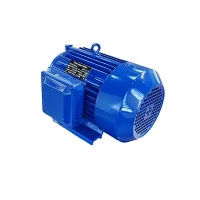
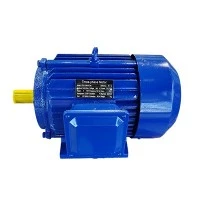
Hey there! As a supplier of NEMA rated motors, I've seen firsthand how these motors handle vibration. It's a topic that's super important, especially for those who rely on these motors for their day - to - day operations. So, let's dive right in and explore how NEMA rated motors deal with vibration.
First off, what are NEMA rated motors? NEMA, which stands for the National Electrical Manufacturers Association, sets the standards for motor design, dimensions, and performance in North America. This means that when you buy a NEMA rated motor, you're getting a product that meets a certain level of quality and consistency.
Now, vibration is a common issue in motors. It can be caused by a bunch of things, like unbalanced rotating parts, misaligned shafts, or even the load the motor is driving. Too much vibration can lead to all sorts of problems, such as premature wear and tear on the motor components, increased noise levels, and even reduced efficiency.
One of the key ways NEMA rated motors handle vibration is through their design. These motors are built with high - quality materials and precise manufacturing processes. For example, the rotor, which is the rotating part of the motor, is carefully balanced during production. This balancing helps to minimize the amount of vibration that the motor generates. When the rotor is balanced, it spins smoothly, reducing the uneven forces that can cause vibration.
Another important aspect is the motor's frame. NEMA rated motors come in different frame sizes, like the NEMA 56C Motor, NEMA 56 Motor, and NEMA 48 Motor. The frame is designed to provide a stable base for the motor components. It's made of sturdy materials that can absorb and dampen vibration. A well - designed frame helps to keep the motor in place and reduces the transmission of vibration to the surrounding environment.
In addition to the physical design, NEMA rated motors often have advanced bearing systems. Bearings are the parts that allow the rotor to spin freely. High - quality bearings are used in these motors, and they are designed to handle the forces and vibrations associated with motor operation. These bearings are lubricated properly to reduce friction and wear, which in turn helps to keep the motor running smoothly and with less vibration.
Some NEMA rated motors also come with vibration isolation features. These can include rubber mounts or other types of damping materials that are placed between the motor and its mounting surface. These isolation features help to absorb the vibration and prevent it from being transferred to the equipment or structure that the motor is attached to. This is especially important in applications where vibration can cause damage to other parts of the system or where a quiet operating environment is required.
Let's talk about how vibration affects the performance of NEMA rated motors. Excessive vibration can lead to a decrease in motor efficiency. When a motor vibrates too much, it has to work harder to overcome the forces caused by the vibration. This means that more energy is wasted, and the motor consumes more power than it should. Over time, this can lead to higher operating costs.
Vibration can also cause mechanical damage to the motor. The constant shaking can loosen bolts and other fasteners, which can lead to misalignment of the motor components. Misaligned components can cause additional stress on the motor, leading to premature failure of parts like the bearings, shafts, or even the stator windings.
However, NEMA rated motors are designed to withstand a certain amount of vibration. The standards set by NEMA take into account the normal operating conditions and the expected levels of vibration. This means that if you're using a NEMA rated motor within its specified operating range, it should be able to handle the vibration without significant problems.
To ensure that your NEMA rated motor continues to handle vibration well, regular maintenance is crucial. This includes checking the motor for any signs of wear or damage, tightening loose bolts, and ensuring that the bearings are properly lubricated. You should also monitor the vibration levels of the motor over time. There are vibration sensors available that can be installed on the motor to detect any changes in vibration patterns. If you notice an increase in vibration, it could be a sign of a problem that needs to be addressed.
In some cases, if the vibration is caused by an external factor, such as an unbalanced load, you may need to take steps to correct the issue. For example, if the motor is driving a conveyor belt, you may need to check the alignment of the belt and make sure that the load is evenly distributed.
Now, if you're in the market for a NEMA rated motor, it's important to choose the right one for your application. Consider factors like the power requirements, the operating environment, and the expected load. Different NEMA rated motors are designed for different applications, and choosing the wrong one can lead to problems with vibration and other performance issues.
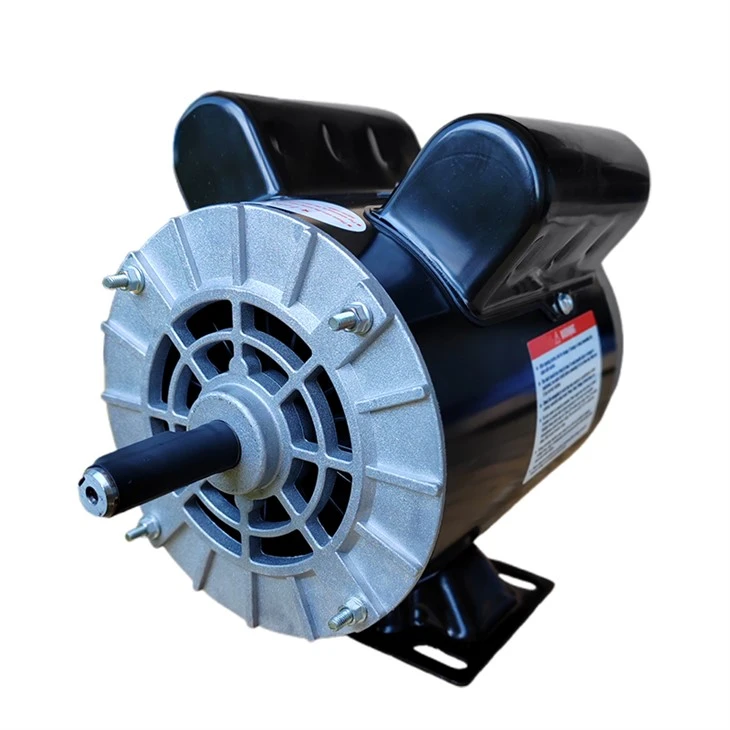

We, as a NEMA rated motor supplier, are here to help you make the right choice. Our team of experts has years of experience in the motor industry, and we can provide you with all the information you need to select the best motor for your needs. Whether you need a NEMA 56C Motor for a small - scale application or a larger NEMA rated motor for an industrial setting, we've got you covered.
If you're interested in learning more about our NEMA rated motors or have any questions about how they handle vibration, don't hesitate to reach out. We're always happy to have a chat and discuss your requirements. Whether you're a small business owner or part of a large industrial operation, we can work with you to find the perfect motor solution.
So, if you're ready to take the next step and start using a high - quality NEMA rated motor that can handle vibration effectively, get in touch with us. We're looking forward to helping you keep your operations running smoothly.
References
- National Electrical Manufacturers Association (NEMA) Standards Publications
- Industry research on motor vibration and performance
- Technical documentation from motor manufacturers