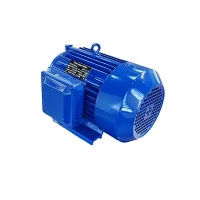
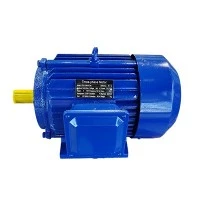
As a supplier of alternating motors, ensuring that our products meet relevant standards is not only a legal requirement but also a commitment to quality and customer satisfaction. In this blog, I will share some key steps and considerations to ensure that an alternating motor meets the necessary standards.
Understanding the Relevant Standards
The first step in ensuring that an alternating motor meets the relevant standards is to have a clear understanding of what those standards are. There are various international, national, and industry - specific standards that apply to alternating motors.
For example, the International Electrotechnical Commission (IEC) sets global standards for electrical equipment, including alternating motors. The IEC 60034 series of standards covers aspects such as rating and performance, temperature rise, and insulation classes of rotating electrical machines. In the United States, the National Electrical Manufacturers Association (NEMA) has its own set of standards for motors, which are widely used in North America.
Industry - specific standards may also apply depending on the application of the motor. For instance, motors used in the food and beverage industry may need to comply with hygiene and safety standards to prevent contamination. Motors used in hazardous environments, such as oil refineries or mines, must meet strict explosion - proof standards.


Design and Engineering
Once we understand the relevant standards, the next step is to incorporate them into the design and engineering process of the alternating motor.
- Materials Selection: The choice of materials used in the motor construction is crucial. For the stator and rotor laminations, high - quality electrical steel is essential to minimize eddy current losses and ensure efficient operation. The insulation materials must meet the required insulation class specified by the standards. For example, if the motor is designed for a high - temperature environment, insulation materials with a high thermal rating, such as Class F or Class H insulation, should be used.
- Electromagnetic Design: The electromagnetic design of the motor, including the number of poles, winding configuration, and magnetic flux density, must be carefully calculated to meet the performance requirements specified by the standards. This includes ensuring that the motor has the correct power rating, speed, and torque characteristics. For example, a 3 Phase AC Induction Motor must be designed to operate within the specified efficiency levels and power factor ranges.
- Mechanical Design: The mechanical design of the motor, such as the frame size, bearing selection, and cooling system, also needs to comply with the standards. The frame size must be appropriate for the power rating of the motor to ensure proper heat dissipation. The bearings must be able to withstand the radial and axial loads during operation. A well - designed cooling system, whether it is air - cooled or liquid - cooled, is necessary to maintain the motor temperature within the allowable limits.
Manufacturing Process
The manufacturing process plays a vital role in ensuring that the alternating motor meets the standards.
- Quality Control at Every Stage: Implementing a strict quality control system throughout the manufacturing process is essential. This includes inspecting the raw materials upon receipt to ensure they meet the required specifications. During the manufacturing process, in - process inspections should be carried out at key stages, such as winding, assembly, and testing. For example, the winding resistance and insulation resistance should be measured and checked against the specified values.
- Testing and Validation: After the motor is assembled, it must undergo a series of tests to verify its performance and compliance with the standards. These tests may include no - load tests, full - load tests, temperature rise tests, and dielectric strength tests. For a Waterproof AC Motor, additional tests such as water ingress tests may be required to ensure its waterproof performance. Only motors that pass all the tests can be released for sale.
- Documentation and Traceability: Maintaining detailed documentation of the manufacturing process, including material certificates, test reports, and production records, is important. This documentation not only provides evidence of compliance with the standards but also enables traceability in case of any quality issues or recalls.
Certification and Compliance
Obtaining relevant certifications is an important step in demonstrating that the alternating motor meets the standards.
- Third - Party Certification: Many standards require third - party certification to ensure objectivity and credibility. For example, motors can be certified by organizations such as Underwriters Laboratories (UL) in the United States or TÜV in Europe. These certification bodies conduct independent tests and inspections to verify that the motor meets the specified standards.
- Compliance with Local Regulations: In addition to international and industry standards, the motor must also comply with local regulations. Different countries may have their own specific requirements regarding electrical safety, energy efficiency, and environmental protection. For example, some countries have regulations on the use of certain materials, such as lead - free soldering, to reduce environmental impact.
Continuous Improvement
Ensuring that an alternating motor meets the standards is not a one - time task but a continuous process.
- Monitoring and Feedback: We need to continuously monitor the performance of the motors in the field and collect feedback from customers. This feedback can help us identify any potential issues or areas for improvement. For example, if customers report higher - than - normal motor temperatures, we can investigate the cause and make necessary adjustments to the design or manufacturing process.
- Keeping Up with Standard Updates: Standards are constantly evolving to keep up with technological advancements and changing safety and environmental requirements. We need to stay informed about the latest updates to the relevant standards and make sure that our products are always in compliance. For example, new energy efficiency standards may be introduced, and we need to modify our motor designs to meet these requirements.
Conclusion
As a supplier of alternating motors, ensuring that our products meet the relevant standards is a multi - faceted process that involves understanding the standards, incorporating them into the design and engineering, implementing strict quality control in the manufacturing process, obtaining certifications, and continuously improving our products. By doing so, we can provide our customers with high - quality, reliable, and compliant alternating motors.
If you are interested in purchasing alternating motors that meet the highest standards, we invite you to contact us for further discussion and procurement negotiation. We are committed to providing you with the best products and services to meet your specific needs.
References
- International Electrotechnical Commission (IEC). IEC 60034 series of standards.
- National Electrical Manufacturers Association (NEMA). NEMA standards for motors.
- Underwriters Laboratories (UL). UL standards for electrical equipment.
- TÜV. TÜV certification requirements for electrical products.