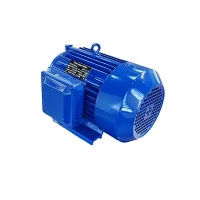
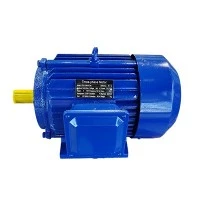
Hey there! As a supplier of AC series motors, I've seen firsthand how crucial it is to have a good power factor. You might be wondering, "What the heck is a power factor?" Well, it's a measure of how effectively electrical power is being used in a circuit. A high power factor means less wasted energy, which translates to cost savings and better performance. In this blog, I'm gonna share some tips on how to improve the power factor of an AC series motor.
Understanding the Basics of Power Factor
Before we dive into the solutions, let's quickly go over what causes a low power factor in an AC series motor. AC series motors are often used in applications where high starting torque is required, like in power tools and small appliances. These motors have a relatively high inductive reactance, which means they draw a lot of reactive power. Reactive power doesn't do any useful work; it just bounces back and forth between the motor and the power source. This reactive power causes the power factor to drop, making the motor less efficient.
Methods to Improve Power Factor
Capacitor Compensation
One of the most common ways to improve the power factor of an AC series motor is by using capacitor compensation. Capacitors are devices that store and release electrical energy. When you connect a capacitor in parallel with the motor, it supplies the reactive power that the motor needs. This reduces the amount of reactive power drawn from the power source, thereby improving the power factor.
Here's how it works: The capacitor creates a leading current that counteracts the lagging current caused by the motor's inductive reactance. As a result, the overall current drawn from the power source becomes more in phase with the voltage, increasing the power factor.
There are two types of capacitor compensation: fixed and automatic. Fixed capacitor compensation involves connecting a capacitor of a fixed value to the motor. This is a simple and cost - effective solution, but it may not be suitable for motors with varying loads. Automatic capacitor compensation, on the other hand, uses a controller to adjust the capacitance based on the motor's load. This ensures that the power factor is optimized at all times.
Motor Design Optimization
Another way to improve the power factor is by optimizing the motor design. This can involve using materials with lower magnetic losses and improving the winding configuration. For example, using high - quality magnetic cores can reduce the amount of reactive power required by the motor.
In addition, the number of turns in the motor's windings can also affect the power factor. By carefully selecting the number of turns, you can reduce the inductive reactance and improve the power factor. However, motor design optimization is a complex process that requires a deep understanding of electrical engineering principles.
Load Management
Proper load management can also have a significant impact on the power factor of an AC series motor. Running the motor at its rated load or close to it can improve the power factor. When a motor is under - loaded, it draws more reactive power relative to the real power, resulting in a lower power factor.


So, make sure to size the motor correctly for the application. If you're using multiple motors in a system, try to balance the loads evenly. This will help to ensure that each motor operates at an optimal power factor.
Benefits of Improving Power Factor
Improving the power factor of an AC series motor has several benefits. Firstly, it reduces energy consumption. Since less reactive power is drawn from the power source, the overall energy bill will be lower. This is especially important for industrial applications where motors consume a large amount of electricity.
Secondly, it improves the performance of the motor. A higher power factor means that the motor can deliver more real power, resulting in better torque and speed characteristics. This can lead to increased productivity and reduced downtime.
Finally, it can extend the lifespan of the motor. When a motor operates at a higher power factor, it generates less heat, which reduces the stress on the motor's components. This can help to prevent premature failure and reduce maintenance costs.
Related Products
If you're interested in AC motors, you might also want to check out our 3 Phase AC Induction Motor, Alternating Current AC Motor, and Three Phase AC Motor. These motors are designed to provide high performance and efficiency.
Conclusion
Improving the power factor of an AC series motor is essential for reducing energy costs, improving performance, and extending the lifespan of the motor. Whether you choose to use capacitor compensation, optimize the motor design, or manage the load, there are several effective ways to achieve a higher power factor.
If you're looking to purchase AC series motors or need more information on power factor improvement, don't hesitate to reach out. We're here to help you find the best solutions for your specific needs. Let's work together to make your operations more efficient and cost - effective.
References
- Electric Machinery Fundamentals by Stephen J. Chapman
- Power System Analysis and Design by J. Duncan Glover, Mulukutla S. Sarma, and Thomas J. Overbye