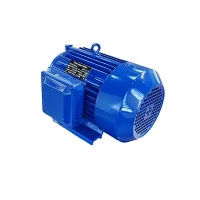
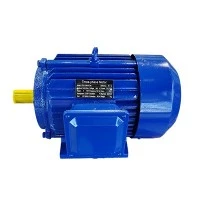
Hey there! As a supplier of 1 Phase AC Motors, I've seen firsthand how these little workhorses power all sorts of equipment. But like any piece of machinery, they need some love and attention to keep running smoothly. In this blog, I'm gonna share some tips on how to maintain a 1 Phase AC Motor, so you can get the most out of your investment.
Understanding Your 1 Phase AC Motor
Before we dive into maintenance, let's take a quick look at what a 1 Phase AC Motor is. A 1 Phase AC Motor, also known as a single-phase AC motor, is a type of electric motor that runs on a single-phase power supply. These motors are commonly used in small appliances, pumps, fans, and other light-duty applications. You can learn more about them on our 1 Phase AC Motor page.
One of the most common types of 1 Phase AC Motors is the AC Induction Motor. These motors work by using electromagnetic induction to create a rotating magnetic field, which in turn drives the motor's shaft. If you're interested in learning more about AC Induction Motors, check out our AC Induction Motor page.
Regular Inspections
The first step in maintaining a 1 Phase AC Motor is to perform regular inspections. This includes checking the motor's physical condition, as well as its electrical and mechanical components. Here are some things to look for during your inspections:
- Physical Damage: Check the motor's housing for any signs of cracks, dents, or other damage. Also, look for loose or missing bolts, as these can cause the motor to vibrate and wear out prematurely.
- Electrical Connections: Inspect the motor's electrical connections for any signs of corrosion, loose wires, or other issues. Make sure all connections are tight and secure, and that there are no exposed wires.
- Bearing Condition: The bearings in a 1 Phase AC Motor are critical for smooth operation. Check the bearings for any signs of wear, such as excessive noise, vibration, or heat. If you notice any of these symptoms, it's important to replace the bearings as soon as possible.
- Lubrication: Many 1 Phase AC Motors require lubrication to keep their bearings and other moving parts running smoothly. Check the motor's lubrication levels regularly, and add oil or grease as needed. Make sure to use the correct type of lubricant for your motor, as using the wrong type can cause damage.
Cleaning and Cooling
Another important aspect of maintaining a 1 Phase AC Motor is to keep it clean and cool. Dust, dirt, and other debris can accumulate on the motor's surface and inside its housing, which can cause overheating and other problems. Here are some tips for keeping your motor clean and cool:
- Regular Cleaning: Use a soft brush or compressed air to remove any dust, dirt, or debris from the motor's surface and inside its housing. Be careful not to damage any of the motor's components while cleaning.
- Ventilation: Make sure the motor has adequate ventilation to prevent overheating. Check the motor's ventilation openings regularly to make sure they are not blocked by dust, dirt, or other debris.
- Cooling System: Some 1 Phase AC Motors are equipped with a cooling system, such as a fan or radiator. Make sure the cooling system is working properly, and that the fan or radiator is clean and free of debris.
Electrical Maintenance
In addition to regular inspections and cleaning, it's also important to perform electrical maintenance on your 1 Phase AC Motor. This includes checking the motor's voltage, current, and resistance, as well as testing its insulation. Here are some tips for performing electrical maintenance on your motor:
- Voltage and Current: Use a multimeter to check the motor's voltage and current levels. Make sure the voltage and current levels are within the motor's specifications, as operating the motor outside of these specifications can cause damage.
- Resistance: Use a multimeter to check the motor's resistance. Make sure the resistance levels are within the motor's specifications, as a low resistance can indicate a short circuit, while a high resistance can indicate an open circuit.
- Insulation Testing: Use an insulation tester to test the motor's insulation. Make sure the insulation resistance is within the motor's specifications, as a low insulation resistance can indicate a problem with the motor's insulation.
Troubleshooting
Even with regular maintenance, problems can still occur with your 1 Phase AC Motor. Here are some common problems and solutions:
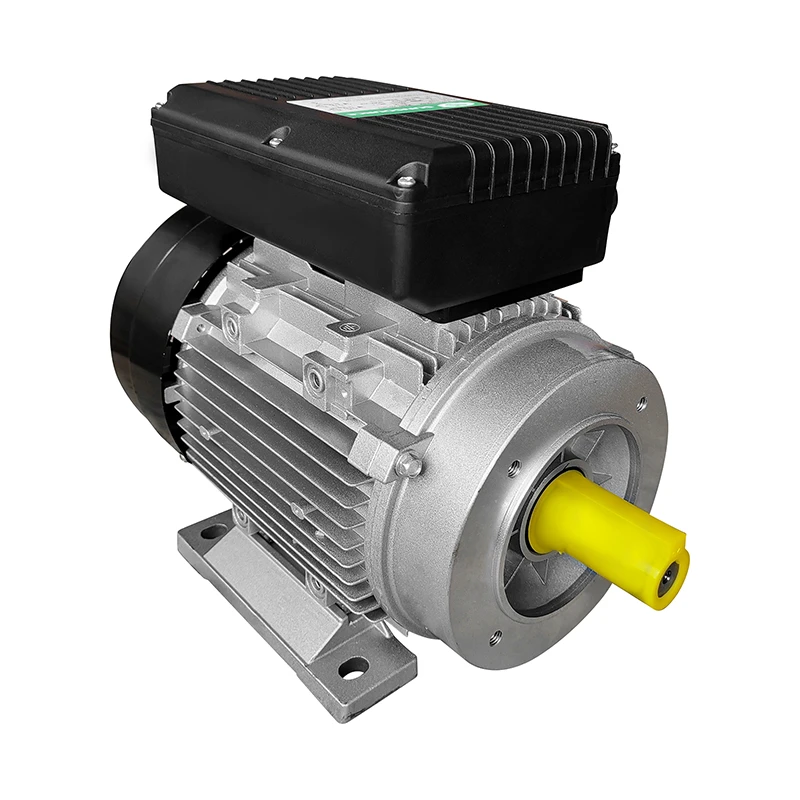

- Overheating: If the motor is overheating, check the ventilation and cooling system to make sure they are working properly. Also, check the motor's load to make sure it is not overloaded.
- Noise and Vibration: If the motor is making noise or vibrating excessively, check the bearings for wear or damage. Also, check the motor's mounting to make sure it is secure.
- Failure to Start: If the motor fails to start, check the electrical connections to make sure they are tight and secure. Also, check the motor's capacitor to make sure it is working properly.
Conclusion
Maintaining a 1 Phase AC Motor is essential for ensuring its long-term performance and reliability. By following these tips, you can keep your motor running smoothly and avoid costly repairs and downtime. If you have any questions or need more information about 1 Phase AC Motors or motor maintenance, please don't hesitate to contact us. We're here to help you get the most out of your investment.
If you're in the market for a new 1 Phase AC Motor or need to replace an existing one, we have a wide range of high-quality motors to choose from. Check out our Motor For AC page to learn more about our products and services. And if you have any questions or need help selecting the right motor for your application, our team of experts is here to assist you. Just reach out to us, and we'll be happy to start a conversation about your motor needs.
References
- "Electric Motors and Drives: Fundamentals, Types and Applications" by Austin Hughes and Bill Drury
- "Motor and Drive Troubleshooting Manual" by Tom Bishop