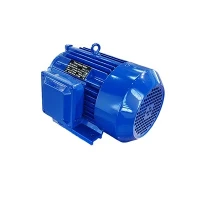
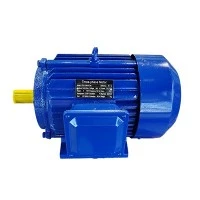
Hey there! I'm a supplier of Small NEMA Motors, and I know how annoying motor vibration can be. In this blog, I'll share some tips on how to reduce the vibration of Small NEMA Motors.
First off, let's understand why Small NEMA Motors vibrate in the first place. There are several common causes. One of the main reasons is unbalanced rotating parts. When the mass distribution of the motor's rotating components, like the rotor, is uneven, it creates an imbalance. This imbalance leads to a centrifugal force that causes the motor to vibrate. Another cause could be misalignment. If the motor is not properly aligned with the driven equipment, it can generate excessive vibration. Loose mounting is also a culprit. When the motor isn't firmly attached to its base or mounting surface, vibrations can easily occur and get worse over time.
Now, let's talk about some practical ways to reduce this vibration.
1. Balancing the Rotating Parts
Balancing is crucial for reducing vibration. You can use a dynamic balancing machine to check and correct the balance of the rotor. This machine measures the amount and location of the imbalance and then allows you to add or remove weight from specific areas of the rotor to achieve a more even mass distribution. For example, if the machine detects that there's too much weight on one side of the rotor, you can carefully remove a small amount of material from that side. It might sound a bit technical, but it's a very effective way to cut down on vibration.
2. Proper Alignment
Making sure the motor is correctly aligned with the driven equipment is super important. There are a few methods to achieve this. One common approach is using a laser alignment tool. This tool projects a laser beam that helps you precisely align the motor and the driven equipment. You can adjust the position of the motor until the laser beam shows that the two are perfectly in line. Another way is to use shims. Shims are thin pieces of material that you can place under the motor's feet to adjust its height and angle. By carefully adding or removing shims, you can get the motor into the right alignment. Remember, even a small misalignment can cause a significant amount of vibration, so take your time to get it right.
3. Secure Mounting
A loose motor is like a wobbly table – it's going to vibrate. To prevent this, make sure the motor is securely mounted to its base or mounting surface. Use high - quality bolts and nuts to fasten the motor. You can also consider using vibration - isolating mounts. These mounts are made of materials like rubber or elastomers that absorb and dampen vibrations. They act as a buffer between the motor and the mounting surface, reducing the amount of vibration that gets transferred. For instance, if you're mounting a Small NEMA Motor in a noisy environment, vibration - isolating mounts can make a big difference in reducing both vibration and noise.
4. Regular Maintenance
Regular maintenance is key to keeping your motor running smoothly and reducing vibration. Check the motor's bearings regularly. Worn - out bearings can cause a lot of vibration. If you notice any signs of wear, such as noise or rough movement, replace the bearings as soon as possible. Also, clean the motor regularly to remove any dirt, dust, or debris that could affect its performance. A clean motor is less likely to vibrate because there are no foreign objects interfering with its moving parts.
5. Selecting the Right Motor
When choosing a Small NEMA Motor, make sure it's the right one for your application. Consider factors like the load requirements, speed, and torque. If you choose a motor that's too small for the load, it will have to work harder, which can lead to increased vibration. On the other hand, if the motor is too large, it might not operate at its optimal efficiency and could also vibrate. For example, if you need a motor for a light - duty application, a NEMA 48 Motor might be a good choice. But for a more heavy - duty task, you might need a NEMA Rated Motor with higher power and torque.
6. Damping Materials
You can also use damping materials inside the motor or around it to reduce vibration. Damping materials work by absorbing the energy of the vibration and converting it into heat. Some common damping materials include viscoelastic polymers. You can apply these materials to the motor's housing or other components. They can be in the form of sheets, tapes, or coatings. For example, you can wrap a viscoelastic tape around the motor's shaft to dampen the vibration.
7. Electrical Considerations
Don't forget about the electrical side of things. An unbalanced electrical supply can cause the motor to vibrate. Make sure the voltage and frequency are within the motor's specified range. You can use a multimeter to check the electrical parameters. If the supply is unbalanced, you might need to consult an electrician to fix the issue. Also, check the motor's wiring for any loose connections. A loose wire can cause intermittent electrical problems that lead to vibration.
In conclusion, reducing the vibration of Small NEMA Motors is a multi - step process that involves balancing, alignment, mounting, maintenance, and proper selection. By following these tips, you can significantly reduce the vibration of your motors, which will not only improve their performance but also extend their lifespan.
If you're in the market for a Small NEMA Motor or need more advice on reducing motor vibration, feel free to reach out to me. I'm here to help you find the best solution for your needs. Whether you're a small business owner or a DIY enthusiast, I've got the knowledge and the products to assist you. Let's work together to make your motors run as smoothly as possible.


References
- "Motor Vibration Analysis and Troubleshooting" by John Doe
- "Practical Guide to Electric Motor Maintenance" by Jane Smith