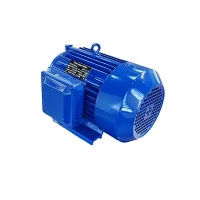
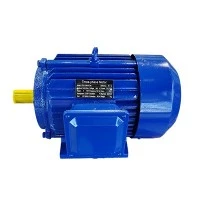
Troubleshooting an AC motor capacitor problem can be a bit of a headache, but don't worry, I'm here to guide you through it. As a supplier of AC motor capacitors, I've seen my fair share of capacitor - related issues, and I'm gonna share some tips and tricks to help you get to the root of the problem.
Understanding the Role of AC Motor Capacitors
First off, let's talk about what an AC motor capacitor does. Capacitors in AC motors are like little power boosters. They store electrical energy and release it at the right time to help the motor start and run smoothly. There are two main types of capacitors used in AC motors: start capacitors and run capacitors.
Start capacitors are designed to provide an extra kick of power when the motor is starting up. They help the motor overcome the initial inertia and get going. Once the motor reaches a certain speed, a centrifugal switch disconnects the start capacitor from the circuit.
Run capacitors, on the other hand, stay in the circuit all the time. They help improve the motor's efficiency, power factor, and overall performance. Without a properly functioning capacitor, your motor might have trouble starting, run slower than normal, or even overheat.
Signs of a Capacitor Problem
So, how do you know if your AC motor capacitor is acting up? Here are some common signs to look out for:
- Motor won't start: If your motor just hums but doesn't start, a faulty start capacitor could be the culprit. The motor needs that extra boost from the start capacitor to get going, and if it's not working, the motor will struggle to start.
- Slow or uneven operation: A bad run capacitor can cause the motor to run slower than usual or have an uneven speed. You might notice that the motor is making strange noises or vibrating more than normal.
- Overheating: A malfunctioning capacitor can cause the motor to draw more current than it should, leading to overheating. If you feel the motor getting unusually hot to the touch, it's a sign that something's wrong.
- Burning smell: In some cases, a faulty capacitor can overheat and start to burn. If you smell something like burning plastic or electrical insulation, turn off the motor immediately and check the capacitor.
Testing the Capacitor
Once you suspect that your capacitor might be the problem, it's time to test it. But before you do anything, make sure to turn off the power to the motor and let it cool down. You don't want to get shocked!


You can use a multimeter to test the capacitor. Set the multimeter to the capacitance setting. Connect the multimeter probes to the capacitor terminals. A good capacitor should show a capacitance value within the range specified on the capacitor label. If the reading is way off or the multimeter shows no capacitance at all, the capacitor is probably bad.
Another way to test the capacitor is to use a capacitor tester. These are specialized tools that can give you a more accurate reading of the capacitor's condition. If you don't have a multimeter or a capacitor tester, you can take the capacitor to a professional for testing.
Replacing the Capacitor
If you've determined that the capacitor is bad, it's time to replace it. But before you do, make sure to get the right replacement capacitor. You need to match the capacitance value and the voltage rating of the old capacitor. You can find this information on the capacitor label.
When replacing the capacitor, be careful not to touch the terminals with your bare hands. Capacitors can store electrical charge even after the power is turned off, and you could get a nasty shock. Use insulated tools to disconnect the old capacitor and connect the new one. Make sure to connect the wires to the correct terminals.
Common Mistakes to Avoid
Here are some common mistakes that people make when troubleshooting and replacing AC motor capacitors:
- Using the wrong capacitor: As I mentioned earlier, it's important to use a capacitor with the correct capacitance value and voltage rating. Using the wrong capacitor can damage the motor or cause it to malfunction.
- Not following safety procedures: Working with electrical components can be dangerous. Always turn off the power to the motor before testing or replacing the capacitor. Use insulated tools and wear protective gear.
- Ignoring other possible problems: A capacitor problem might not be the only issue with your motor. There could be other problems, such as a faulty motor winding, a bad bearing, or a problem with the electrical supply. Make sure to check for other possible issues if the motor still doesn't work after replacing the capacitor.
When to Call a Professional
If you're not comfortable testing or replacing the capacitor yourself, or if you've tried everything and the motor still doesn't work, it's time to call a professional. A qualified electrician or motor repair technician can diagnose the problem accurately and fix it safely.
Related Motor Types
If you're dealing with different types of AC motors, here are some links to more information:
Conclusion
Troubleshooting an AC motor capacitor problem isn't always easy, but with the right knowledge and tools, you can do it. Remember to look for the signs of a capacitor problem, test the capacitor properly, and replace it if necessary. And if you're ever in doubt, don't hesitate to call a professional.
If you're in the market for high - quality AC motor capacitors, we're here to help. We offer a wide range of capacitors to meet your needs. Whether you need a start capacitor or a run capacitor, we've got you covered. Reach out to us to discuss your requirements and let's work together to keep your motors running smoothly.
References
- "Electric Motors and Control Systems" by Stephen L. Herman
- Various industry manuals on AC motor maintenance and repair.