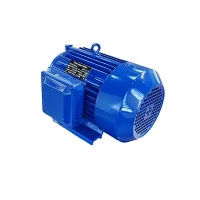
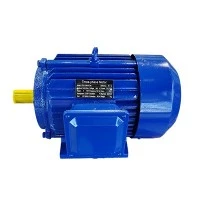
Shock and impact resistance are crucial factors to consider when evaluating the performance and reliability of NEMA AC motors. As a trusted NEMA AC motor supplier, we understand the significance of these properties and their impact on the overall functionality of the motors in various industrial applications. In this blog post, we will delve into the shock and impact resistance of NEMA AC motors, exploring the factors that influence them and the benefits they offer.
Understanding Shock and Impact Resistance
Shock resistance refers to a motor's ability to withstand sudden and intense forces without suffering significant damage. These forces can occur due to various reasons, such as sudden starts or stops, mechanical vibrations, or external impacts. Impact resistance, on the other hand, is the motor's capacity to endure collisions or blows without compromising its structural integrity or performance.
In industrial settings, NEMA AC motors are often exposed to harsh operating conditions that can subject them to shocks and impacts. For example, motors used in manufacturing plants may be installed on machinery that experiences frequent vibrations or sudden movements. Similarly, motors in transportation applications may be exposed to shocks caused by rough roads or sudden stops. Therefore, it is essential for these motors to have high shock and impact resistance to ensure reliable operation and minimize downtime.
Factors Affecting Shock and Impact Resistance
Several factors contribute to the shock and impact resistance of NEMA AC motors. These factors can be broadly categorized into design, materials, and manufacturing processes.
Design
The design of a motor plays a crucial role in determining its shock and impact resistance. A well-designed motor will have a robust structure that can effectively absorb and distribute the forces generated by shocks and impacts. Some design features that enhance shock and impact resistance include:
- Sturdy Frame: A strong and rigid frame provides a stable foundation for the motor and helps to protect its internal components from external forces. The frame is typically made of high-quality materials, such as cast iron or aluminum, which have excellent strength and durability.
- Reinforced Mounting Points: The mounting points of the motor are critical areas that are subject to high stresses during operation. Reinforced mounting points, such as heavy-duty brackets or flanges, help to secure the motor in place and prevent it from shifting or vibrating excessively.
- Balanced Rotor: A balanced rotor is essential for smooth and stable operation of the motor. An unbalanced rotor can cause vibrations, which can lead to increased wear and tear on the motor's components and reduce its shock and impact resistance. Therefore, motors are carefully balanced during the manufacturing process to minimize vibrations and ensure optimal performance.
Materials
The choice of materials used in the construction of a motor also has a significant impact on its shock and impact resistance. High-quality materials with excellent mechanical properties, such as strength, toughness, and fatigue resistance, are preferred for motors that are exposed to harsh operating conditions. Some common materials used in NEMA AC motors include:
- Cast Iron: Cast iron is a popular material for motor frames due to its high strength, durability, and excellent damping properties. It can effectively absorb and dissipate vibrations, reducing the risk of damage to the motor's internal components.
- Aluminum: Aluminum is a lightweight and corrosion-resistant material that is often used in the construction of motor frames and other components. It has good thermal conductivity, which helps to dissipate heat generated during operation and improve the motor's efficiency.
- Copper and Aluminum Windings: The windings of a motor are made of either copper or aluminum, depending on the application requirements. Copper has higher conductivity and is more efficient than aluminum, but it is also more expensive. Aluminum windings are lighter and less expensive, but they have lower conductivity and may require larger cross-sectional areas to achieve the same performance as copper windings.
Manufacturing Processes
The manufacturing processes used to produce NEMA AC motors also play a crucial role in ensuring their shock and impact resistance. Precision manufacturing techniques, such as CNC machining and automated assembly, are used to ensure that the motors are built to exact specifications and have consistent quality. Some manufacturing processes that enhance shock and impact resistance include:
- Heat Treatment: Heat treatment is a process used to improve the mechanical properties of metals by heating and cooling them under controlled conditions. Heat treatment can increase the strength, hardness, and toughness of the motor's components, making them more resistant to shocks and impacts.
- Vibration Testing: Vibration testing is a quality control measure used to ensure that the motors are balanced and free from excessive vibrations. During vibration testing, the motor is subjected to simulated operating conditions, and its vibration levels are measured using specialized equipment. If the vibration levels exceed the specified limits, the motor is rebalanced or adjusted to ensure optimal performance.
- Quality Assurance: Quality assurance is an essential part of the manufacturing process to ensure that the motors meet the highest standards of quality and reliability. Quality control checks are performed at every stage of the manufacturing process, from raw material inspection to final testing, to ensure that the motors are free from defects and meet the customer's requirements.
Benefits of High Shock and Impact Resistance
NEMA AC motors with high shock and impact resistance offer several benefits to industrial users. These benefits include:
- Reliable Operation: Motors with high shock and impact resistance are less likely to fail due to sudden shocks or impacts, ensuring reliable operation and minimizing downtime. This is particularly important in critical applications where any interruption in operation can result in significant losses.
- Longer Service Life: The robust construction and high-quality materials used in motors with high shock and impact resistance help to extend their service life. By reducing the wear and tear on the motor's components, these motors can operate for longer periods without requiring frequent maintenance or replacement.
- Reduced Maintenance Costs: Motors with high shock and impact resistance require less maintenance and repair, resulting in lower maintenance costs over the life of the motor. This is because the motors are less likely to experience damage or failure due to shocks and impacts, reducing the need for costly repairs or replacements.
- Improved Safety: Motors with high shock and impact resistance are safer to operate in industrial environments. By reducing the risk of motor failure or damage, these motors help to prevent accidents and injuries to workers.
Our NEMA AC Motor Offerings
As a leading NEMA AC motor supplier, we offer a wide range of motors with high shock and impact resistance to meet the diverse needs of our customers. Our motors are designed and manufactured using the latest technology and highest quality materials to ensure reliable operation and long service life. Some of our popular NEMA AC motor models include the NEMA 56C Motor, Small NEMA Motor, and NEMA 56 Motor.
Our NEMA 56C Motor is a high-performance motor designed for use in a variety of industrial applications, including pumps, fans, conveyors, and machine tools. It features a robust cast iron frame, reinforced mounting points, and a balanced rotor for smooth and stable operation. The motor is available in a range of power ratings and speeds to meet the specific requirements of your application.
Our Small NEMA Motor is a compact and lightweight motor that is ideal for use in applications where space is limited. It features a high-efficiency design, low noise operation, and excellent shock and impact resistance. The motor is available in a variety of frame sizes and power ratings to meet the diverse needs of our customers.


Our NEMA 56 Motor is a versatile motor that is suitable for a wide range of industrial applications. It features a durable cast iron frame, high-quality bearings, and a balanced rotor for reliable operation. The motor is available in a range of power ratings and speeds to meet the specific requirements of your application.
Contact Us for Your NEMA AC Motor Needs
If you are looking for high-quality NEMA AC motors with excellent shock and impact resistance, look no further than our company. We are a trusted supplier of NEMA AC motors, and we are committed to providing our customers with the best products and services. Whether you need a single motor or a large quantity of motors, we can help you find the right solution for your application.
To learn more about our NEMA AC motor offerings or to request a quote, please contact us today. Our team of experienced sales representatives will be happy to assist you and answer any questions you may have. We look forward to working with you to meet your NEMA AC motor needs.
References
- "NEMA Standards Publication MG 1-2016, Motors and Generators." National Electrical Manufacturers Association.
- "Electric Motors and Drives: Fundamentals, Types, and Applications." Austin Hughes.
- "Motor Handbook: A Guide to Electric Motors and Their Applications." EPRI.