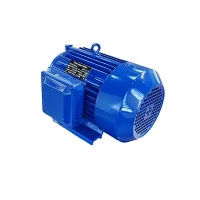
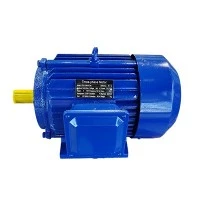
As a supplier of NEMA 56C motors, I often receive inquiries from customers regarding the humidity tolerance of these motors. Understanding the humidity tolerance of a NEMA 56C motor is crucial as it directly impacts the motor's performance, reliability, and lifespan. In this blog, I will delve into the concept of humidity tolerance for NEMA 56C motors, factors affecting it, and how to ensure optimal operation under different humidity conditions.
What is a NEMA 56C Motor?
Before discussing humidity tolerance, let's briefly introduce the NEMA 56C motor. The National Electrical Manufacturers Association (NEMA) has established standards for motors in North America. A NEMA 56C motor is a type of AC induction motor with a specific frame size and mounting configuration. These motors are widely used in various industrial and commercial applications, such as pumps, fans, conveyors, and compressors, due to their reliability, efficiency, and ease of maintenance.
Understanding Humidity Tolerance
Humidity refers to the amount of water vapor present in the air. High humidity levels can have detrimental effects on electrical equipment, including motors. The humidity tolerance of a NEMA 56C motor is the range of relative humidity (RH) within which the motor can operate safely and efficiently without experiencing significant performance degradation or damage.
The relative humidity is expressed as a percentage and represents the ratio of the amount of water vapor in the air to the maximum amount of water vapor the air can hold at a given temperature. For example, a relative humidity of 50% means that the air contains half of the maximum amount of water vapor it can hold at that temperature.
Factors Affecting Humidity Tolerance
Several factors influence the humidity tolerance of a NEMA 56C motor:


1. Motor Design and Construction
The design and construction of the motor play a significant role in determining its humidity tolerance. Motors with proper insulation and sealing are better protected against moisture ingress. For instance, motors with epoxy-coated windings and gaskets around the motor housing can prevent water vapor from entering the motor and causing short circuits or corrosion.
2. Operating Temperature
The operating temperature of the motor affects its humidity tolerance. As the temperature increases, the air can hold more water vapor. Therefore, a motor operating at a higher temperature can tolerate a higher relative humidity without the risk of condensation. Conversely, at lower temperatures, the same relative humidity may lead to condensation on the motor's surfaces, which can damage the insulation and electrical components.
3. Environmental Conditions
The environmental conditions in which the motor operates also impact its humidity tolerance. Motors installed in outdoor or humid environments, such as near water bodies or in tropical regions, are exposed to higher humidity levels and may require additional protection. Additionally, the presence of dust, dirt, and other contaminants in the air can combine with moisture to form conductive paths, increasing the risk of electrical failures.
Typical Humidity Tolerance Range
Most NEMA 56C motors are designed to operate within a relative humidity range of 10% to 90% non-condensing. This means that the motor can function properly as long as the relative humidity does not exceed 90% and there is no condensation on the motor's surfaces. However, it is important to note that continuous operation at the upper end of this range may reduce the motor's lifespan and increase the risk of failures.
Effects of High Humidity on NEMA 56C Motors
Exposure to high humidity levels can have several negative effects on NEMA 56C motors:
1. Insulation Degradation
Moisture can penetrate the motor's insulation, reducing its dielectric strength and increasing the risk of electrical breakdown. Over time, this can lead to short circuits, motor failures, and safety hazards.
2. Corrosion
High humidity can cause corrosion of the motor's metal components, such as the stator, rotor, and bearings. Corrosion can weaken the structural integrity of the motor and reduce its efficiency.
3. Bearing Damage
Moisture can also damage the motor's bearings, leading to increased friction, noise, and vibration. This can result in premature bearing failure and require costly repairs or replacements.
4. Reduced Efficiency
The presence of moisture in the motor can increase the electrical resistance of the windings, reducing the motor's efficiency and increasing energy consumption.
Protecting NEMA 56C Motors from High Humidity
To ensure the reliable operation of NEMA 56C motors in high humidity environments, the following protective measures can be taken:
1. Enclosure Selection
Choose a motor enclosure that provides adequate protection against moisture. NEMA-rated enclosures, such as NEMA 1, NEMA 3, and NEMA 4, are designed to protect the motor from dust, dirt, and water ingress. For outdoor or harsh environments, a NEMA 4X enclosure, which is corrosion-resistant and provides additional protection against water, may be required.
2. Heaters
Install heaters inside the motor enclosure to prevent condensation. Heaters can be used to maintain the motor's temperature above the dew point, ensuring that moisture does not condense on the motor's surfaces.
3. Ventilation
Proper ventilation is essential to remove moisture from the motor enclosure. Ensure that the motor is installed in a well-ventilated area and that the enclosure has adequate ventilation openings.
4. Regular Maintenance
Perform regular maintenance on the motor to check for signs of moisture damage, such as corrosion, insulation degradation, and bearing wear. Clean the motor's surfaces and replace any damaged components as needed.
Comparing with Other NEMA Motors
When considering the humidity tolerance of NEMA 56C motors, it can be helpful to compare them with other NEMA motors. For example, the Small NEMA Motor may have different humidity tolerance characteristics due to its smaller size and different design. Similarly, the NEMA 48 Motor and NEMA Rated Motor may also have variations in their humidity tolerance based on their specific applications and construction.
Conclusion
In conclusion, understanding the humidity tolerance of NEMA 56C motors is essential for ensuring their reliable operation and longevity. By considering the factors that affect humidity tolerance, taking appropriate protective measures, and performing regular maintenance, you can minimize the risk of damage caused by high humidity and ensure that your motors operate efficiently in various environmental conditions.
If you are in the market for NEMA 56C motors or have any questions about their humidity tolerance or other technical specifications, please feel free to contact us. We are a leading supplier of high-quality NEMA motors and can provide you with the best solutions for your specific needs.
References
- National Electrical Manufacturers Association (NEMA) standards
- Motor manufacturers' technical documentation
- Industry research and studies on motor reliability and performance in humid environments