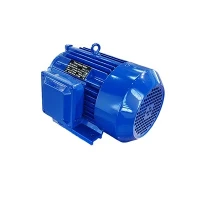
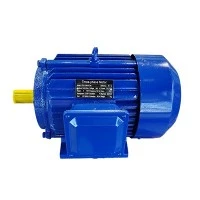
As a seasoned supplier of alternating motors, I've witnessed firsthand the challenges and nuances that come with operating these essential pieces of equipment in diverse environments. One such environment that significantly impacts the performance and longevity of alternating motors is high altitude. In this blog, we'll explore the various ways high altitude affects alternating motors and what you can do to mitigate these effects.
Understanding the Basics of Alternating Motors
Before delving into the impact of high altitude, let's briefly review how alternating motors work. Alternating motors, also known as AC motors, are widely used in industrial, commercial, and residential applications due to their efficiency, reliability, and ease of control. These motors convert electrical energy into mechanical energy through the interaction of magnetic fields and electric currents.


There are several types of alternating motors, including AC Ki Motor, AC Three Phase Induction Motor, and 3 Phase 110V Motor. Each type has its own unique characteristics and applications, but they all share the common principle of using alternating current to generate rotational motion.
The Impact of High Altitude on Alternating Motors
High altitude environments present several challenges for alternating motors, primarily due to the reduced air density and lower ambient temperatures. These factors can affect the motor's performance, efficiency, and reliability in the following ways:
1. Reduced Cooling Efficiency
One of the most significant impacts of high altitude on alternating motors is the reduced cooling efficiency. As air density decreases with increasing altitude, the amount of air available to dissipate heat from the motor also decreases. This can lead to higher operating temperatures, which can cause the motor to overheat and potentially fail.
To compensate for the reduced cooling efficiency, motors operating at high altitudes may require larger cooling fans or additional cooling fins to increase the surface area available for heat transfer. In some cases, it may also be necessary to use forced air cooling or liquid cooling systems to maintain the motor's temperature within acceptable limits.
2. Decreased Insulation Resistance
Another potential issue with high altitude operation is the decreased insulation resistance of the motor's windings. The lower air density at high altitudes can cause the insulation materials to dry out more quickly, reducing their ability to resist electrical current. This can lead to increased leakage currents, which can cause the motor to malfunction or even pose a safety hazard.
To prevent insulation breakdown, it's important to use high-quality insulation materials that are designed to withstand the harsh conditions of high altitude operation. Regular insulation resistance testing should also be performed to detect any signs of degradation early on and take appropriate action.
3. Reduced Power Output
High altitude can also have an impact on the power output of alternating motors. The reduced air density can cause the motor's magnetic field to weaken, resulting in a decrease in torque and power. This can make it more difficult for the motor to start and operate under load, especially in applications where high torque is required.
To compensate for the reduced power output, motors operating at high altitudes may need to be oversized or derated to ensure they can meet the application's requirements. It's also important to consider the motor's starting torque and acceleration characteristics when selecting a motor for high altitude operation.
4. Increased Vibration and Noise
The lower air density at high altitudes can also cause increased vibration and noise in alternating motors. The reduced damping effect of the air can allow the motor's components to vibrate more freely, leading to increased wear and tear on the motor and potentially causing damage to surrounding equipment.
To minimize vibration and noise, it's important to ensure that the motor is properly mounted and balanced. Vibration isolation mounts can also be used to reduce the transmission of vibrations to the surrounding structure. Additionally, regular maintenance and inspection of the motor's components can help to identify and address any issues before they become major problems.
Mitigating the Impact of High Altitude on Alternating Motors
While high altitude can pose significant challenges for alternating motors, there are several steps that can be taken to mitigate these effects and ensure reliable operation. Here are some tips to help you keep your motors running smoothly at high altitudes:
1. Select the Right Motor
When choosing an alternating motor for high altitude operation, it's important to select a motor that is specifically designed for the application. Look for motors that are rated for high altitude operation and have features such as increased cooling capacity, high-quality insulation, and robust construction.
2. Perform Regular Maintenance
Regular maintenance is essential for ensuring the reliability and longevity of alternating motors, especially in high altitude environments. This includes tasks such as cleaning the motor, checking the insulation resistance, lubricating the bearings, and tightening the electrical connections.
3. Monitor the Motor's Performance
Monitoring the motor's performance is crucial for detecting any signs of problems early on and taking appropriate action. This can include measuring the motor's temperature, current, voltage, and vibration levels. By regularly monitoring these parameters, you can identify any trends or anomalies that may indicate a potential issue.
4. Provide Adequate Cooling
As mentioned earlier, providing adequate cooling is essential for preventing the motor from overheating at high altitudes. This can include using larger cooling fans, additional cooling fins, or forced air or liquid cooling systems. It's also important to ensure that the motor is installed in a well-ventilated area to allow for proper air circulation.
5. Consider Derating the Motor
In some cases, it may be necessary to derate the motor to compensate for the reduced power output at high altitudes. This involves reducing the motor's rated power to ensure that it can operate safely and reliably under the conditions of the application.
Conclusion
In conclusion, high altitude can have a significant impact on the performance, efficiency, and reliability of alternating motors. By understanding the challenges posed by high altitude environments and taking appropriate steps to mitigate these effects, you can ensure that your motors operate safely and reliably in even the most demanding conditions.
If you're in the market for alternating motors for high altitude applications, I encourage you to contact us to discuss your specific requirements. Our team of experts can help you select the right motor for your application and provide you with the support and guidance you need to ensure its successful operation.
References
- "High Altitude Effects on Electric Motors" by IEEE Industry Applications Society
- "Motor Selection and Application Guide" by Baldor Electric Company
- "Electrical Insulation for Rotating Machines" by IEEE Press