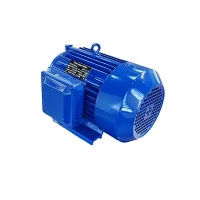
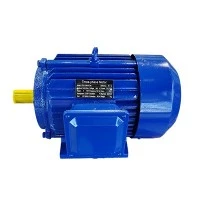
As a supplier of AC Capacitor Motors, I often get asked about the lifespan of these essential components. Understanding the lifespan of an AC Capacitor Motor is crucial for both manufacturers and end-users. It helps in planning maintenance schedules, budgeting for replacements, and ensuring the efficient operation of various electrical systems. In this blog post, I'll delve into the factors that influence the lifespan of an AC Capacitor Motor and provide some insights on how to extend its longevity.
What is an AC Capacitor Motor?
Before we discuss the lifespan, let's briefly understand what an AC Capacitor Motor is. An AC Capacitor Motor is a type of single-phase induction motor that uses a capacitor to create a phase shift in the current, which helps in starting and running the motor. These motors are commonly used in a wide range of applications, including household appliances such as fans, refrigerators, and washing machines, as well as in industrial equipment.
Factors Affecting the Lifespan of an AC Capacitor Motor
Several factors can influence the lifespan of an AC Capacitor Motor. Here are some of the most significant ones:
1. Quality of Components
The quality of the components used in the motor plays a crucial role in determining its lifespan. Motors made with high-quality materials and advanced manufacturing processes are generally more durable and reliable. For example, a motor with a high-quality capacitor will be less likely to fail due to capacitor degradation, which is a common cause of motor failure.
2. Operating Conditions
The operating conditions of the motor can have a significant impact on its lifespan. Motors that are operated in harsh environments, such as high temperatures, high humidity, or dusty conditions, are more likely to experience premature failure. Additionally, overloading the motor or running it at a higher speed than its rated capacity can also shorten its lifespan.
3. Maintenance
Regular maintenance is essential for ensuring the long-term performance of an AC Capacitor Motor. This includes tasks such as cleaning the motor, checking the capacitor for signs of damage or degradation, and lubricating the bearings. Neglecting maintenance can lead to the buildup of dirt and debris, which can cause the motor to overheat and fail.
4. Electrical Supply
The quality of the electrical supply can also affect the lifespan of the motor. Voltage fluctuations, power surges, and poor power factor can all cause stress on the motor's components, leading to premature failure. Using a voltage stabilizer or surge protector can help protect the motor from these electrical issues.
Average Lifespan of an AC Capacitor Motor
The average lifespan of an AC Capacitor Motor can vary depending on the factors mentioned above. In general, a well-maintained motor operating under normal conditions can last anywhere from 10 to 20 years. However, motors that are subjected to harsh operating conditions or neglect maintenance may have a significantly shorter lifespan.


How to Extend the Lifespan of an AC Capacitor Motor
Here are some tips on how to extend the lifespan of an AC Capacitor Motor:
1. Choose the Right Motor
When selecting an AC Capacitor Motor, it's important to choose one that is suitable for the specific application. Consider factors such as the motor's power rating, speed, and torque requirements. Choosing a motor that is appropriately sized for the application will help prevent overloading and ensure optimal performance.
2. Provide Proper Ventilation
Proper ventilation is essential for keeping the motor cool. Make sure the motor is installed in a well-ventilated area and that there is adequate clearance around it. Avoid blocking the motor's ventilation openings with objects or debris.
3. Follow the Manufacturer's Recommendations
Always follow the manufacturer's recommendations for installation, operation, and maintenance of the motor. This includes using the correct type and amount of lubricant, checking the capacitor regularly, and performing any recommended maintenance tasks at the specified intervals.
4. Monitor the Motor's Performance
Regularly monitor the motor's performance to detect any signs of problems early. This can include checking the motor's temperature, vibration, and noise levels. If you notice any unusual changes in the motor's performance, such as overheating or excessive vibration, stop the motor immediately and have it inspected by a qualified technician.
Conclusion
The lifespan of an AC Capacitor Motor is influenced by several factors, including the quality of components, operating conditions, maintenance, and electrical supply. By choosing a high-quality motor, providing proper ventilation, following the manufacturer's recommendations, and monitoring the motor's performance, you can extend its lifespan and ensure reliable operation.
If you're in the market for an AC Capacitor Motor, 1 Phase AC Motor, or Single AC Motor, we're here to help. Our team of experts can assist you in selecting the right motor for your specific application and provide you with all the information you need to ensure its long-term performance. Contact us today to discuss your requirements and start the procurement process.
References
- Electric Motor Handbook, Second Edition, by Arnold E. Fitzgerald, Charles Kingsley Jr., and Stephen D. Umans
- Motor and Drive Installation and Troubleshooting, Third Edition, by William C. Boyes