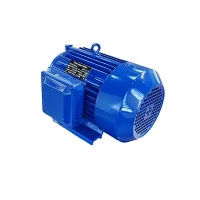
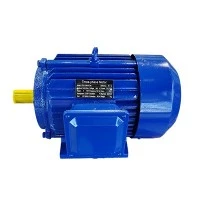
As a supplier of NEMA 48 motors, I often encounter inquiries about the pull - out torque of these motors. Pull - out torque is a crucial parameter that significantly impacts the performance and application of NEMA 48 motors. In this blog, I will delve into what the pull - out torque of a NEMA 48 motor is, its importance, and how it relates to the overall operation of the motor.
Understanding NEMA 48 Motors
Before we dive into pull - out torque, let's briefly understand what NEMA 48 motors are. NEMA, which stands for the National Electrical Manufacturers Association, has established standards for electric motors in North America. A NEMA 48 motor adheres to these standards, specifically regarding the motor's physical dimensions, mounting arrangements, and some performance characteristics. These motors are widely used in various industrial and commercial applications due to their reliability and standardization. You can learn more about NEMA AC Motor and NEMA Electric Motor on our website.
Defining Pull - Out Torque
Pull - out torque, also known as breakdown torque, is the maximum torque that a motor can develop without an abrupt drop in speed or stalling. In other words, it represents the upper limit of the motor's torque - producing capability under normal operating conditions. When a motor is subjected to a load that exceeds its pull - out torque, it will experience a significant reduction in speed and may even come to a complete stop.
For a NEMA 48 motor, the pull - out torque is a key performance metric. It is typically expressed in pound - feet (lb - ft) or newton - meters (N·m). The pull - out torque value is important because it determines the motor's ability to handle sudden increases in load. For example, in applications where the load varies, such as conveyor systems or pumps, a motor with a high pull - out torque can better handle these fluctuations without stalling.
Factors Affecting Pull - Out Torque
Several factors influence the pull - out torque of a NEMA 48 motor. One of the primary factors is the motor's design and construction. The number of poles, the type of winding, and the magnetic circuit design all play a role in determining the motor's torque - producing capability.
The number of poles in a motor affects its speed - torque characteristics. Generally, motors with more poles have lower synchronous speeds but higher torque at low speeds. This means that a NEMA 48 motor with a higher number of poles may have a higher pull - out torque compared to a motor with fewer poles.
The type of winding also impacts the pull - out torque. For instance, a motor with a wound - rotor design may have different torque characteristics compared to a squirrel - cage induction motor. Wound - rotor motors can often provide higher starting and pull - out torques by adjusting the external resistance in the rotor circuit.
The magnetic circuit design, including the size and shape of the stator and rotor cores, also affects the motor's ability to generate torque. A well - designed magnetic circuit can maximize the magnetic flux density, which in turn increases the motor's torque - producing capability.
Measuring Pull - Out Torque
Measuring the pull - out torque of a NEMA 48 motor typically involves using a dynamometer. A dynamometer is a device that can apply a variable load to the motor and measure the torque and speed of the motor simultaneously.
To measure the pull - out torque, the motor is first run at its rated voltage and frequency. Then, the load on the motor is gradually increased using the dynamometer. As the load increases, the motor's speed will start to decrease. The pull - out torque is the maximum torque value recorded just before the motor experiences a significant drop in speed or stalls.
It's important to note that the pull - out torque can vary depending on the operating conditions, such as the temperature and the supply voltage. Therefore, it's crucial to measure the pull - out torque under standardized conditions to ensure accurate and comparable results.
Importance of Pull - Out Torque in Applications
The pull - out torque of a NEMA 48 motor is of utmost importance in various applications. In industrial settings, motors are often required to start and stop under heavy loads. For example, in a manufacturing plant, a conveyor belt may need to start with a full load of products on it. A motor with a high pull - out torque can easily handle this initial load and start the conveyor belt smoothly.
In the automotive industry, electric motors are used in various applications, such as power steering and electric vehicle drivetrains. A motor with a high pull - out torque can provide the necessary power to turn the wheels or assist with steering, especially during sudden maneuvers or when climbing steep hills.
In the HVAC (Heating, Ventilation, and Air Conditioning) industry, motors are used to drive fans and pumps. These applications often require motors to operate under varying loads. A motor with a high pull - out torque can ensure that the fan or pump continues to operate efficiently even when the load changes.
Comparing NEMA 48 Motors with Other NEMA Motors
When considering the pull - out torque, it's interesting to compare NEMA 48 motors with other NEMA - standard motors, such as NEMA 56 Motor. While both NEMA 48 and NEMA 56 motors are designed to meet certain standards, they may have different pull - out torque characteristics.
NEMA 56 motors are generally larger in size compared to NEMA 48 motors. This larger size often allows for a more powerful magnetic circuit and higher torque - producing capability. As a result, NEMA 56 motors may have a higher pull - out torque compared to NEMA 48 motors. However, the specific pull - out torque values will depend on the individual motor design and application requirements.
Selecting the Right NEMA 48 Motor Based on Pull - Out Torque
When selecting a NEMA 48 motor for a particular application, it's essential to consider the pull - out torque requirements. First, you need to determine the maximum load that the motor will be required to handle. This includes both the steady - state load and any transient loads that may occur during operation.


Once you have determined the maximum load, you can select a NEMA 48 motor with a pull - out torque that is sufficient to handle this load. It's generally recommended to choose a motor with a pull - out torque that is at least 1.5 to 2 times the maximum load torque to ensure reliable operation.
In addition to the pull - out torque, you also need to consider other factors such as the motor's efficiency, speed, and power rating. These factors will all impact the overall performance and cost - effectiveness of the motor in your application.
Conclusion
In conclusion, the pull - out torque of a NEMA 48 motor is a critical performance parameter that determines the motor's ability to handle heavy loads without stalling. Understanding the factors that affect pull - out torque, how to measure it, and its importance in various applications is essential for selecting the right motor for your needs.
As a supplier of NEMA 48 motors, we have a wide range of motors with different pull - out torque ratings to meet your specific requirements. Whether you need a motor for a small - scale industrial application or a large - scale commercial project, we can provide you with the right solution.
If you are interested in learning more about our NEMA 48 motors or have any questions about pull - out torque, please feel free to contact us. We are here to assist you in selecting the best motor for your application and ensuring its optimal performance.
References
- National Electrical Manufacturers Association (NEMA) standards for electric motors.
- Electric Machinery Fundamentals by Stephen J. Chapman.
- Electric Motor Handbook by Irving L. Kosow.