As a supplier of AC motor capacitors, I've encountered numerous inquiries from customers regarding the potential damage of these components due to mechanical vibrations. This topic is not only crucial for understanding the reliability of AC motors but also for ensuring the efficient operation of various industrial and household appliances. In this blog, I'll delve into the science behind how mechanical vibrations can affect AC motor capacitors, drawing on industry knowledge and practical experience.
Understanding AC Motor Capacitors
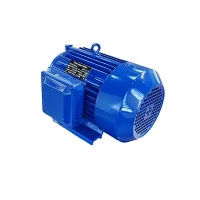
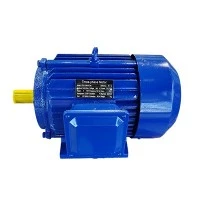
Before discussing the impact of mechanical vibrations, it's essential to understand the role of AC motor capacitors. These capacitors are vital components in single - phase AC motors, such as the AC Capacitor Motor. They are used to create a phase shift in the motor's windings, which generates a rotating magnetic field necessary for the motor to start and run efficiently. There are two main types of capacitors used in AC motors: start capacitors and run capacitors. Start capacitors provide the initial torque to start the motor, while run capacitors help maintain the motor's performance during continuous operation.
How Mechanical Vibrations Occur in AC Motors
Mechanical vibrations in AC motors can stem from various sources. In industrial settings, motors are often connected to machinery that generates vibrations during operation. For example, in a manufacturing plant, a motor driving a conveyor belt or a compressor may experience vibrations due to the movement of the belt or the compression process. In household appliances, motors in washing machines or air conditioners can vibrate due to the movement of the drum or the operation of the compressor.
Another source of vibrations is unbalanced rotating parts within the motor itself. If the rotor of an AC Induction Motor is not perfectly balanced, it can cause the motor to vibrate as it rotates. This imbalance can be caused by manufacturing defects, wear and tear over time, or improper installation.
The Impact of Mechanical Vibrations on AC Motor Capacitors
Mechanical vibrations can have several detrimental effects on AC motor capacitors.
Physical Damage
One of the most obvious impacts is physical damage to the capacitor. Capacitors are typically housed in a metal or plastic case, and excessive vibrations can cause the case to crack or break. This exposes the internal components of the capacitor to the environment, which can lead to moisture ingress, corrosion, and ultimately, capacitor failure. For example, if a capacitor is installed in a motor that is subject to high - frequency vibrations, the constant shaking can weaken the case material over time, making it more susceptible to damage.
Loose Connections
Vibrations can also cause the electrical connections of the capacitor to become loose. Capacitors are connected to the motor's electrical circuit through leads or terminals. When the motor vibrates, these connections can loosen, leading to increased resistance at the connection points. This increased resistance can cause overheating, which can further damage the capacitor and other components in the motor circuit. In some cases, loose connections can even result in arcing, which can pose a safety hazard.
Dielectric Breakdown
The dielectric material inside the capacitor is responsible for storing electrical energy. Mechanical vibrations can cause the dielectric to become stressed, which may lead to dielectric breakdown. Dielectric breakdown occurs when the insulating properties of the dielectric material are compromised, allowing current to flow through the material where it should not. This can result in a short - circuit within the capacitor, causing it to fail.


Case Studies and Real - World Examples
To illustrate the impact of mechanical vibrations on AC motor capacitors, let's look at some real - world examples. In a large - scale manufacturing facility, a motor driving a heavy - duty compressor was experiencing excessive vibrations due to the high - pressure compression process. Over time, the vibrations caused the capacitor's case to crack, allowing moisture to enter. This led to corrosion of the internal components, and the capacitor failed, causing the motor to stop working. The company had to replace the capacitor and perform maintenance on the motor to get it back up and running, resulting in significant downtime and cost.
In a residential setting, a washing machine motor was vibrating due to an unbalanced drum. The vibrations caused the capacitor's connections to loosen, leading to overheating. The homeowner noticed a burning smell coming from the washing machine and had to call a technician. The technician found that the capacitor had failed due to the loose connections and replaced it, restoring the washing machine's functionality.
Mitigating the Effects of Mechanical Vibrations
As an AC motor capacitor supplier, I understand the importance of helping customers mitigate the effects of mechanical vibrations. Here are some strategies that can be employed:
Vibration Isolation
Using vibration isolation mounts or pads can help reduce the transfer of vibrations from the motor to the capacitor. These mounts are made of materials such as rubber or silicone, which absorb and dampen vibrations. By installing the motor on vibration isolation mounts, the amount of vibrations reaching the capacitor can be significantly reduced.
Proper Installation
Ensuring proper installation of the motor and the capacitor is crucial. Motors should be installed on a stable surface, and the capacitor should be securely mounted within the motor housing. This helps to minimize the impact of vibrations on the capacitor. Additionally, proper alignment of the motor's rotating parts can reduce unbalanced vibrations.
Regular Maintenance
Regular maintenance of the motor and the capacitor can help detect and address potential issues before they lead to failure. This includes checking the capacitor for physical damage, tightening loose connections, and inspecting the motor for signs of imbalance or wear.
Conclusion
In conclusion, mechanical vibrations can indeed damage AC motor capacitors. Physical damage, loose connections, and dielectric breakdown are all potential consequences of excessive vibrations. However, by understanding the sources of vibrations and implementing appropriate mitigation strategies, the risk of capacitor damage can be significantly reduced.
If you're in the market for high - quality AC motor capacitors or need advice on how to protect your capacitors from mechanical vibrations, I encourage you to reach out. Whether you're looking for capacitors for a Motor For AC in an industrial application or a household appliance, I'm here to assist you. Contact me to discuss your specific requirements and start a procurement discussion.
References
- "Electric Motors and Drives: Fundamentals, Types, and Applications" by Austin Hughes and Bill Drury
- "Handbook of Capacitor Technology" by T. A. Bjeliashvili and V. A. Kochetov