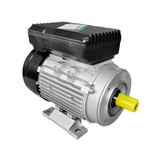
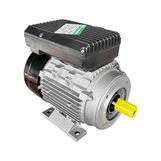
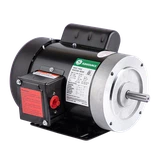
Voltage fluctuation is a common issue in power systems, and it can significantly impact the performance and lifespan of electrical equipment. As a 120V AC motor supplier, I've seen firsthand how these fluctuations affect motors. So, let's dig into what exactly voltage fluctuation means for a 120V AC motor.
Understanding Voltage Fluctuation
First off, what's voltage fluctuation? It's basically when the voltage level in an electrical power system varies from the standard value. In the case of a 120V AC system, the voltage is supposed to stay around that 120 - volt mark. But in reality, it can go up or down depending on various factors like the load on the power grid, the distance from the power source, and the quality of the electrical infrastructure.
These fluctuations can be short - term, like a quick dip or spike caused by a large appliance starting up nearby, or long - term, which might happen due to issues with the power generation or transmission.
The Impact on Motor Performance
Changes in Speed
One of the most noticeable effects of voltage fluctuation on a 120V AC motor is the change in speed. An AC motor's speed is directly related to the frequency of the power supply and the number of poles in the motor. However, voltage also plays a role. When the voltage drops below the rated 120V, the motor's magnetic field weakens. As a result, the motor slows down. This can be a big problem in applications where a constant speed is crucial, like in conveyor belts or some types of machinery.
On the other hand, if the voltage spikes above 120V, the magnetic field becomes stronger, and the motor speeds up. This can lead to over - speeding, which not only affects the quality of the work being done but can also cause mechanical stress on the motor and the connected equipment.
Torque Variation
Torque is the rotational force produced by the motor, and it's essential for the motor to perform its work. When the voltage fluctuates, the torque output of the 120V AC motor also changes. A voltage decrease means less torque. This can be a real headache in applications where the motor needs to start under a heavy load, like in pumps or compressors. If the motor doesn't have enough torque to start, it can overheat, and in some cases, it might even fail to start at all.
Conversely, a voltage increase leads to an increase in torque. While this might seem like a good thing at first, excessive torque can cause the motor to draw too much current, leading to overheating and potentially damaging the motor windings.
Efficiency Loss
Voltage fluctuations can also take a toll on the motor's efficiency. A 120V AC motor is designed to operate at its peak efficiency when it's running at the rated voltage. When the voltage is either too high or too low, the motor has to work harder to perform the same task. This results in increased energy consumption and wasted power.
For example, if a motor is supposed to drive a fan and the voltage drops, the motor has to draw more current to maintain the fan's speed. This extra current means more energy is being used, and the motor is operating less efficiently. Over time, this can lead to higher electricity bills and more frequent maintenance.
Effects on Motor Lifespan
Overheating
As mentioned earlier, voltage fluctuations can cause the motor to overheat. When the voltage is too low, the motor draws more current to compensate for the reduced torque and speed. And when the voltage is too high, the excessive torque also leads to increased current draw. This increased current generates more heat in the motor windings.
Overheating is one of the worst enemies of a motor. It can cause the insulation on the windings to break down over time, which can lead to short circuits and motor failure. Regular exposure to overheating can significantly reduce the motor's lifespan.
Mechanical Stress
The changes in speed and torque caused by voltage fluctuations also subject the motor to mechanical stress. The motor's parts, such as the bearings, shafts, and gears, are designed to operate under specific conditions. When the motor speeds up or slows down unexpectedly, or when the torque output varies, these parts have to endure additional stress.
This mechanical stress can cause premature wear and tear on the motor components. For example, the bearings might start to wear out faster, leading to increased noise, vibration, and eventually, a complete breakdown of the motor.


Types of 120V AC Motors and Their Sensitivity
There are different types of 120V AC motors, and they vary in their sensitivity to voltage fluctuations.
Single - Phase Induction Motors
These are some of the most common 120V AC motors. They're used in a wide range of applications, from household appliances to small industrial equipment. Single - phase induction motors are relatively sensitive to voltage fluctuations. A small change in voltage can cause a noticeable change in speed and torque. They also tend to overheat more easily when the voltage is not within the rated range.
If you're interested in 120V AC Motor, we have a great selection that's designed to handle some level of voltage variation.
Small Single - Phase AC Motors
These motors are often used in applications where space is limited, like in some consumer electronics and small power tools. Small Single Phase AC Motor can be quite sensitive to voltage fluctuations because they have less mass and less thermal capacity. This means that even a small increase in temperature can cause significant damage.
Universal Motors (Single - Phase)
Universal motors can run on either AC or DC power. They're commonly found in appliances like vacuum cleaners and power drills. Universal Motor Single Phase are also sensitive to voltage changes. A voltage spike can cause the motor to run too fast, which can lead to excessive wear on the brushes and other components.
Mitigating the Effects of Voltage Fluctuation
As a 120V AC motor supplier, I know how important it is to minimize the impact of voltage fluctuations. Here are some ways to do it:
Voltage Regulators
Using a voltage regulator is one of the most effective ways to protect a motor from voltage fluctuations. A voltage regulator can automatically adjust the voltage to keep it within a safe range. This helps the motor operate at its optimal performance and extends its lifespan.
Surge Protectors
Surge protectors can protect the motor from sudden voltage spikes. They work by diverting the excess voltage to the ground, preventing it from reaching the motor. This is especially important in areas where lightning strikes or other electrical disturbances are common.
Proper Sizing and Selection
When choosing a 120V AC motor for a specific application, it's crucial to select the right size and type. A motor that's properly sized for the load will be less likely to be affected by voltage fluctuations. It's also a good idea to choose a motor that has a built - in tolerance for some level of voltage variation.
Conclusion
In conclusion, voltage fluctuation can have a significant impact on a 120V AC motor. It can affect the motor's performance, efficiency, and lifespan. As a motor supplier, I understand the importance of providing high - quality motors that can withstand these fluctuations as much as possible.
If you're in the market for a 120V AC motor, whether it's a 120V AC Motor, Small Single Phase AC Motor, or Universal Motor Single Phase, we have the expertise and the products to meet your needs. Don't hesitate to reach out for more information or to discuss your specific requirements. We're here to help you make the right choice for your application.
References
- Chapman, S. J. (2012). Electric Machinery Fundamentals. McGraw - Hill.
- Fitzgerald, A. E., Kingsley, C., Jr., & Umans, S. D. (2003). Electric Machinery. McGraw - Hill.