How often should Small NEMA Motors be lubricated?
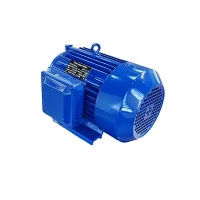
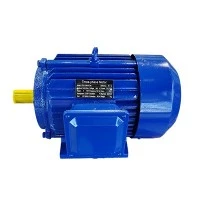
As a supplier of [Referenced to /ac-motor/nema-motor/small-nema-motor.html] Small NEMA Motors, I am frequently asked about the optimal lubrication schedule. Proper lubrication is crucial for the performance, longevity, and reliability of these motors. In this blog, we will explore the factors influencing lubrication frequency and provide guidelines to help you make informed decisions.
The Importance of Lubrication in Small NEMA Motors
First and foremost, let's understand why lubrication is so important. Small NEMA Motors, like all motors, have moving parts. Among these moving parts, there are bearings that allow the rotation of the motor shaft. These bearings are under constant stress due to the high - speed rotations and the load the motor is carrying. Lubrication serves several functions:
- Reduces Friction: Friction between the moving parts can cause wear and tear over time. By applying lubricant, the surfaces that are in contact slide more smoothly against each other, which minimizes friction. This not only extends the life of the bearings and other moving components but also helps the motor to operate more efficiently, reducing energy consumption.
- Prevents Corrosion: Moisture and contaminants in the environment can cause corrosion in the motor's internal parts. A good lubricant forms a protective barrier on the surfaces of the components, shielding them from the harmful effects of moisture and other corrosive substances.
- Dissipates Heat: During operation, motors generate heat. The lubricant helps to transfer this heat away from the critical components, such as the bearings. By maintaining a lower operating temperature, the motor can function more reliably and avoid overheating - related failures.
Factors Affecting Lubrication Frequency
The frequency at which Small NEMA Motors should be lubricated is not a one - size - fits - all answer. It depends on several factors:
Operating Conditions
- Environmental Temperature: In high - temperature environments, the lubricant can break down more quickly. For example, if a motor is installed in a tropical region or near a heat - generating source like a furnace, the lubricant's viscosity may change, reducing its effectiveness. In such cases, the motor may need to be lubricated more frequently, perhaps every 3 - 6 months. On the other hand, in cooler environments, the lubricant can last longer, and lubrication intervals can be extended to 6 - 12 months.
- Dust and Contaminants: Motors operating in dusty or dirty environments are more likely to have contaminants enter the bearing housing. The dust can mix with the lubricant, causing abrasion and reducing its lubricating properties. For motors in mining, construction, or agricultural settings, where dust is prevalent, lubrication may be required every 1 - 3 months to ensure the bearings are protected.
- Humidity: High humidity can promote corrosion within the motor. In a humid climate or in applications where the motor is exposed to water vapor, such as in a food processing plant, more frequent lubrication may be necessary to prevent rust and corrosion of the internal components, typically every 3 - 6 months.
Motor Load and Duty Cycle
- Constant Load vs. Variable Load: Motors that operate under a constant, light load have less stress on the bearings compared to those that experience variable or heavy loads. A [Referenced to /ac-motor/nema-motor/nema-56c-motor.html] NEMA 56C Motor running a small conveyor belt at a constant speed may only need lubrication every 6 - 12 months. However, a motor used in a reciprocating compressor, which experiences high - impact loads, may require lubrication every 2 - 3 months.
- Continuous vs. Intermittent Operation: Continuously - running motors generate more heat and put more wear on the lubricant. For a Small NEMA Motor that runs 24/7, such as in a pumping station, lubrication may be needed every 3 - 6 months. Motors that operate intermittently, like those in a household appliance that is used only a few hours a day, can have longer lubrication intervals, perhaps every 12 - 18 months.
Type of Lubricant
- Grease - Lubricated Motors: Grease is a commonly used lubricant in Small NEMA Motors. Different types of grease have different service lives. For example, high - quality synthetic greases can last longer than conventional mineral - based greases. A motor lubricated with a high - performance synthetic grease may only need re - lubrication every 12 - 18 months under normal operating conditions, while a motor using a standard mineral - based grease may require lubrication every 6 - 12 months.
- Oil - Lubricated Motors: Some Small NEMA Motors use oil for lubrication. Oil - lubricated systems often have better heat - dissipation properties and can provide more continuous lubrication. However, they also require more frequent monitoring and oil changes. In general, oil - lubricated motors may need oil changes every 3 - 6 months, depending on the operating conditions.
General Lubrication Guidelines
Based on the above factors, here are some general guidelines for lubricating Small NEMA Motors:
- Under Ideal Conditions: For motors operating in clean, dry environments with moderate temperatures and light loads, lubrication can be done annually. This is applicable to motors used in office equipment or small, indoor appliances.
- Normal Operating Conditions: Motors in typical industrial or commercial settings, with normal temperature ranges, average dust levels, and moderate loads, should be lubricated every 6 - 12 months. This includes motors used in general - purpose machinery like fans and pumps.
- Harsh Operating Conditions: In environments with high temperatures, high humidity, heavy dust, or heavy loads, lubrication may need to be done as frequently as every 1 - 3 months. This is common for motors in construction equipment, foundries, or mining operations.
Monitoring and Analysis
It's not just about following a fixed schedule. Regular monitoring and analysis of the motor's lubrication condition can help optimize the lubrication frequency. Techniques such as vibration analysis, temperature monitoring, and oil or grease sampling can provide valuable insights into the condition of the lubricant and the motor's internal components. If the analysis shows early signs of lubricant degradation or bearing wear, the lubrication interval may need to be adjusted accordingly.
Conclusion
In conclusion, the lubrication frequency of Small NEMA Motors depends on a variety of factors, including operating conditions, motor load, duty cycle, and the type of lubricant used. By understanding these factors and following the general guidelines, you can ensure that your motors operate at their best and have a long service life.


As a professional supplier of [Referenced to /ac-motor/nema-motor/small-nema-motor.html] Small NEMA Motors, we have in - depth knowledge and experience in motor maintenance. If you are interested in learning more about our products or need advice on motor lubrication and maintenance, please feel free to contact us for a consultation. We are committed to providing you with the best solutions to meet your motor needs.
References
- "Motor Maintenance Handbook" by A. K. Tharmar.
- ANSI/NEMA Standards Publication MG 1 - 2016, Motors and Generators.