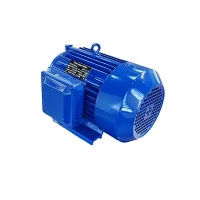
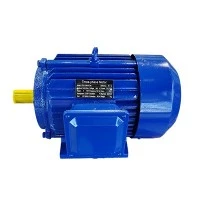
Can an AC Torque Motor be used in robotics?
Hey there, folks! I'm an AC Torque Motor supplier, and I often get asked if an AC Torque Motor can be used in robotics. Well, let's dive right into this topic and find out.
First off, let's understand what an AC Torque Motor is. An AC Torque Motor is a type of motor that is designed to operate at a relatively low speed and can provide a high amount of torque. Torque is basically the rotational force that makes things spin or turn. This characteristic makes it quite different from other types of motors.
Now, let's talk about robotics. Robotics is all about creating machines that can perform tasks autonomously or semi - autonomously. These tasks can range from simple pick - and - place operations in a factory to complex surgical procedures. Different types of motors are used in robotics, depending on the specific requirements of the task.
One of the key advantages of using an AC Torque Motor in robotics is its high torque output at low speeds. In many robotic applications, such as robotic arms used in manufacturing, a lot of force is needed to move heavy objects or perform precise movements. An AC Torque Motor can provide the necessary torque to carry out these operations smoothly. For example, when a robotic arm needs to lift a heavy component and place it accurately on an assembly line, the high - torque capabilities of the AC Torque Motor come in really handy.
Another benefit is its simplicity. AC Torque Motors are relatively simple in design compared to some other types of motors used in robotics, like servo motors. This simplicity means that they are often more reliable and easier to maintain. Fewer components mean fewer things that can go wrong, which is a huge plus in a robotic system where downtime can be very costly.
Let's take a look at some specific robotic applications where an AC Torque Motor can shine.
Industrial Robots
In industrial settings, robots are used for a variety of tasks, including welding, painting, and material handling. For material handling robots, an AC Torque Motor can be used to drive the joints of the robotic arm. The high torque allows the arm to lift and move heavy loads, while the low - speed operation ensures precise positioning. For example, in an automotive assembly plant, a robotic arm with an AC Torque Motor can pick up engine blocks and place them onto the chassis with great accuracy.
Mobile Robots
Mobile robots, such as those used in warehouses for inventory management or in outdoor environments for surveillance, also have a place for AC Torque Motors. These motors can be used to drive the wheels of the robot. The high torque can help the robot move over uneven surfaces or carry heavy payloads. For instance, a warehouse robot with an AC Torque Motor can easily transport pallets of goods around the facility, even if there are small obstacles in its path.
Educational Robots
In the field of education, robots are used to teach students about programming, engineering, and robotics concepts. AC Torque Motors can be a great choice for educational robots because of their simplicity and affordability. Students can easily understand how the motor works and how to control it, which helps in their learning process. For example, a simple robotic arm kit for students can use an AC Torque Motor to demonstrate basic mechanical and electrical principles.
However, it's not all sunshine and rainbows. There are also some limitations to using an AC Torque Motor in robotics.
One of the main drawbacks is the lack of precise speed control compared to some other types of motors, like servo motors. Servo motors can be controlled very precisely to achieve a specific speed or position, which is crucial in some robotic applications. For example, in a robotic surgical system, where extremely precise movements are required, an AC Torque Motor might not be the best choice due to its relatively less - precise speed control.
Another limitation is the power consumption. AC Torque Motors can consume a significant amount of power, especially when operating at high - torque levels. This can be a problem in battery - powered robots, where energy efficiency is a major concern. For example, a small, battery - operated inspection robot might not be able to use an AC Torque Motor for long periods without running out of power quickly.
Now, if you're in the market for an AC Torque Motor for your robotic project, we've got you covered. We also offer other related products, such as 1 Phase AC Motor and Small Single Phase AC Motor, which might also be suitable depending on your specific needs.
If you're interested in learning more about how our AC Torque Motors can be integrated into your robotic systems, or if you have any questions about our products, don't hesitate to reach out. We're here to help you make the right choice for your project. Whether you're a large - scale industrial manufacturer or a hobbyist building your first robot, we can provide the motors and the expertise you need.
In conclusion, an AC Torque Motor can definitely be used in robotics, and it has some significant advantages in certain applications. However, it's important to carefully consider the specific requirements of your robotic project, such as speed control, power consumption, and torque needs, before making a decision. With the right approach, an AC Torque Motor can be a valuable addition to your robotic system.
References


- "Motor Handbook" by some well - known motor experts (I don't have the exact details here, but it's a great resource on motors in general).
- Industry research reports on robotics and motor applications.