Can NEMA AC Motors be used in textile applications?
As a supplier of NEMA AC Motors, I am often asked about the suitability of these motors for textile applications. In this blog post, I will delve into the details of whether NEMA AC Motors can indeed be used in the textile industry, exploring their features, advantages, and potential challenges.


Understanding NEMA AC Motors
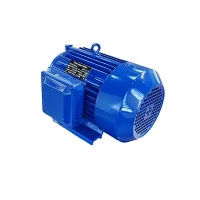
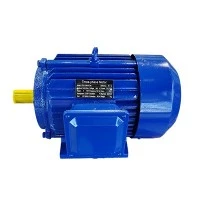
NEMA, which stands for the National Electrical Manufacturers Association, has established standards for motors in North America. NEMA AC Motor are designed to meet these standards, ensuring a high level of quality, reliability, and compatibility. These motors are commonly used in a wide range of industrial applications due to their robust construction and efficient performance.
One of the key features of NEMA AC Motors is their standardized frame sizes and mounting dimensions. This standardization allows for easy replacement and interchangeability, which is crucial in industrial settings where downtime must be minimized. Additionally, NEMA motors are known for their high starting torque, which is essential for applications that require quick acceleration and heavy loads.
Textile Applications: Requirements and Challenges
The textile industry encompasses a wide range of processes, from spinning and weaving to dyeing and finishing. Each of these processes has specific requirements in terms of motor performance, such as speed control, torque, and reliability. For example, spinning machines require precise speed control to ensure consistent yarn quality, while weaving machines need high torque to handle the heavy loads of the loom.
In addition to performance requirements, textile applications also face several challenges. The textile environment is often dusty and humid, which can cause corrosion and damage to electrical components. Moreover, the high-speed operation of textile machinery generates significant vibrations, which can affect the motor's lifespan and performance if not properly addressed.
Advantages of Using NEMA AC Motors in Textile Applications
Despite the challenges, NEMA AC Motors offer several advantages that make them well-suited for textile applications.
1. Standardization and Compatibility
As mentioned earlier, the standardization of NEMA AC Motors ensures easy replacement and interchangeability. This is particularly important in the textile industry, where machinery may need to be upgraded or repaired frequently. With NEMA motors, textile manufacturers can easily find compatible motors for their equipment, reducing downtime and maintenance costs.
2. High Torque and Speed Control
NEMA AC Motors are designed to provide high starting torque, which is essential for textile machinery that needs to start and stop quickly. Additionally, many NEMA motors offer variable speed control, allowing textile manufacturers to adjust the motor's speed according to the specific requirements of each process. This flexibility in speed control enables more precise operation and improved product quality.
3. Reliability and Durability
Textile applications often require continuous operation for long periods of time. NEMA AC Motors are built to withstand the harsh conditions of the textile environment, including dust, humidity, and vibrations. Their robust construction and high-quality components ensure reliable performance and a long service life, reducing the need for frequent replacements and maintenance.
4. Energy Efficiency
In today's energy-conscious world, energy efficiency is a major concern for textile manufacturers. NEMA Premium 3 Phase Motor are designed to meet or exceed the energy efficiency standards set by NEMA. These motors use advanced technologies, such as high-efficiency laminations and improved insulation, to reduce energy consumption and lower operating costs.
Potential Challenges and Mitigation Strategies
While NEMA AC Motors offer many advantages for textile applications, there are also some potential challenges that need to be addressed.
1. Dust and Humidity
The dusty and humid environment in textile factories can pose a threat to the performance and lifespan of NEMA AC Motors. To mitigate this risk, it is important to choose motors with appropriate enclosure ratings. For example, motors with a Totally Enclosed Fan Cooled (TEFC) enclosure are designed to protect the motor from dust and moisture, making them suitable for textile applications.
2. Vibration
The high-speed operation of textile machinery generates significant vibrations, which can cause mechanical stress on the motor. To reduce the impact of vibrations, it is recommended to use vibration isolation mounts and proper alignment techniques. Additionally, regular maintenance and inspection of the motor can help detect and address any vibration-related issues before they cause serious damage.
3. Speed Control Requirements
Some textile processes require very precise speed control, which may be challenging to achieve with standard NEMA AC Motors. In such cases, it may be necessary to use variable frequency drives (VFDs) in conjunction with the motors. VFDs allow for more precise speed control and can also improve energy efficiency by adjusting the motor's speed according to the load.
Conclusion
In conclusion, NEMA AC Motors can be effectively used in textile applications. Their standardization, high torque, speed control capabilities, reliability, and energy efficiency make them a suitable choice for the diverse requirements of the textile industry. However, it is important to address the potential challenges, such as dust, humidity, and vibration, through proper selection, installation, and maintenance.
If you are a textile manufacturer looking for high-quality NEMA AC Motors for your applications, I encourage you to explore our range of NEMA Electric Motor. Our motors are designed to meet the rigorous standards of the textile industry and offer reliable performance and energy efficiency. Feel free to contact us to discuss your specific requirements and explore how our motors can enhance the performance of your textile machinery. We look forward to the opportunity to work with you and contribute to the success of your textile operations.
References
- National Electrical Manufacturers Association (NEMA) standards for motors.
- Textile machinery industry reports on motor requirements and challenges.