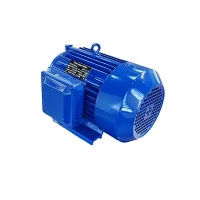
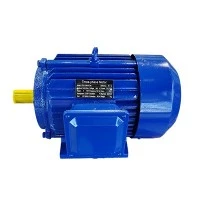
The load characteristic of an electrical system plays a pivotal role in determining the performance and efficiency of an AC capacitor motor. As a seasoned supplier of AC capacitor motors, I've witnessed firsthand how different load characteristics can significantly influence the operation of these motors. In this blog post, I'll delve into the various ways load characteristics affect an AC capacitor motor, exploring the technical details and practical implications.
Understanding AC Capacitor Motors
Before we discuss the impact of load characteristics, let's briefly understand what an AC capacitor motor is. An AC capacitor motor is a type of single-phase induction motor that uses a capacitor to create a phase shift in the auxiliary winding. This phase shift produces a rotating magnetic field, which enables the motor to start and run. These motors are widely used in various applications, such as fans, pumps, and small appliances, due to their simple construction, low cost, and reliable operation.
Types of Load Characteristics
Load characteristics can be broadly classified into three main types: constant torque, variable torque, and constant power. Each type has a distinct impact on the performance of an AC capacitor motor.
Constant Torque Loads
Constant torque loads require a constant amount of torque regardless of the motor's speed. Examples of constant torque loads include conveyors, hoists, and positive displacement pumps. In a constant torque load, the power required by the motor is directly proportional to the speed. As the load increases, the motor must deliver more torque to maintain the speed, which in turn increases the current drawn by the motor.
When an AC capacitor motor is subjected to a constant torque load, the motor's performance is primarily affected by the load's magnitude. If the load torque exceeds the motor's rated torque, the motor may stall or overheat. To ensure reliable operation, it's essential to select a motor with a rated torque that is sufficient to handle the maximum load torque.
Variable Torque Loads
Variable torque loads require less torque at low speeds and more torque at high speeds. Examples of variable torque loads include centrifugal fans, pumps, and blowers. In a variable torque load, the power required by the motor is proportional to the cube of the speed. This means that a small increase in speed can result in a significant increase in power consumption.
When an AC capacitor motor is used with a variable torque load, the motor's efficiency can be optimized by adjusting the motor's speed to match the load requirements. This can be achieved using a variable frequency drive (VFD), which allows the motor to operate at different speeds while maintaining a constant voltage-to-frequency ratio. By reducing the motor's speed when the load is light, the motor can consume less power and operate more efficiently.
Constant Power Loads
Constant power loads require a constant amount of power regardless of the motor's speed. Examples of constant power loads include machine tools, such as lathes and milling machines. In a constant power load, the torque required by the motor is inversely proportional to the speed. As the speed increases, the torque decreases, and vice versa.
When an AC capacitor motor is used with a constant power load, the motor's performance is primarily affected by the load's speed range. If the motor's speed range is too narrow, the motor may not be able to deliver the required power at all speeds. To ensure reliable operation, it's essential to select a motor with a wide speed range and a high starting torque.
Impact of Load Characteristics on Motor Performance
The load characteristics of an electrical system can have a significant impact on the performance of an AC capacitor motor. Here are some of the key factors that are affected by the load characteristics:


Starting Torque
The starting torque of an AC capacitor motor is the torque required to start the motor from rest. The load characteristics can affect the starting torque requirements of the motor. For example, a constant torque load requires a higher starting torque than a variable torque load. If the motor's starting torque is insufficient, the motor may not be able to start the load or may experience a slow start, which can cause excessive wear and tear on the motor and the load.
Running Torque
The running torque of an AC capacitor motor is the torque required to maintain the motor's speed under normal operating conditions. The load characteristics can affect the running torque requirements of the motor. For example, a constant torque load requires a constant running torque, while a variable torque load requires a variable running torque. If the motor's running torque is insufficient, the motor may experience a speed drop or may stall under heavy loads.
Efficiency
The efficiency of an AC capacitor motor is the ratio of the output power to the input power. The load characteristics can affect the motor's efficiency. For example, a variable torque load can be operated more efficiently at lower speeds, which can reduce the motor's power consumption and increase its efficiency. On the other hand, a constant torque load requires a constant amount of power regardless of the speed, which can result in lower efficiency at lower speeds.
Temperature Rise
The temperature rise of an AC capacitor motor is the increase in temperature of the motor's windings and other components during operation. The load characteristics can affect the motor's temperature rise. For example, a heavy load can cause the motor to draw more current, which can increase the temperature rise of the motor. If the motor's temperature rise exceeds the rated temperature rise, the motor may experience premature failure or may require additional cooling.
Selecting the Right Motor for the Load
As a supplier of AC capacitor motors, I understand the importance of selecting the right motor for the load. Here are some tips to help you choose the right motor for your application:
Determine the Load Characteristics
The first step in selecting the right motor is to determine the load characteristics. This includes the type of load (constant torque, variable torque, or constant power), the load torque requirements, the speed range, and the duty cycle. By understanding the load characteristics, you can select a motor with the appropriate rated torque, speed, and power.
Consider the Motor's Performance
In addition to the load characteristics, you should also consider the motor's performance. This includes the starting torque, running torque, efficiency, and temperature rise. By selecting a motor with high performance, you can ensure reliable operation and reduce energy consumption.
Choose the Right Capacitor
The capacitor is an essential component of an AC capacitor motor. It helps to create the phase shift in the auxiliary winding, which enables the motor to start and run. When selecting a motor, it's important to choose the right capacitor for the application. The capacitor's capacitance and voltage rating should be selected based on the motor's specifications and the load requirements.
Consult with a Professional
If you're unsure which motor is right for your application, it's always a good idea to consult with a professional. As a supplier of AC capacitor motors, I have the expertise and experience to help you select the right motor for your application. I can also provide you with technical support and advice to ensure that your motor operates reliably and efficiently.
Conclusion
In conclusion, the load characteristic has a significant impact on the performance and efficiency of an AC capacitor motor. By understanding the different types of load characteristics and their effects on the motor, you can select the right motor for your application and ensure reliable operation. As a supplier of AC capacitor motors, I'm committed to providing high-quality products and excellent customer service. If you're interested in purchasing an AC capacitor motor or have any questions about our products, please don't hesitate to [initiate a contact for procurement discussion]. I look forward to working with you.
References
- Fitzgerald, A. E., Kingsley, C., & Umans, S. D. (2003). Electric Machinery (6th ed.). McGraw-Hill.
- Chapman, S. J. (2012). Electric Machinery Fundamentals (5th ed.). McGraw-Hill.
- Krause, P. C., Wasynczuk, O., & Sudhoff, S. D. (2002). Analysis of Electric Machinery and Drive Systems (2nd ed.). Wiley-Interscience.