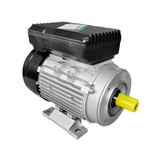
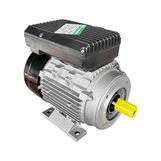
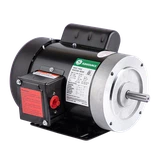
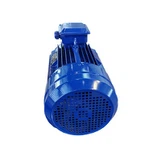
Hey there! As a supplier of AC Ki Motors, I often get asked about the voltage requirements for these motors. It's a crucial topic, as getting the voltage right is essential for the proper functioning and longevity of the motor. So, let's dive into it and break down what you need to know.
First off, it's important to understand that the voltage requirement for an AC Ki Motor can vary depending on several factors. One of the main factors is the type of motor. There are different types of AC motors out there, such as Three Phase AC Motor, Industrial AC Motor, and Dual Shaft AC Motor. Each type may have its own specific voltage needs.
Three - phase AC motors are commonly used in industrial applications. These motors typically require a three - phase power supply. In many industrial settings in the United States, the standard voltage for three - phase power is 208V, 230V, or 480V. In other parts of the world, different standard voltages may apply. For example, in Europe, 400V is a common three - phase voltage. The reason these motors need a three - phase supply is that it provides a more constant and efficient power source, which is great for heavy - duty operations.
Industrial AC motors, on the other hand, can be single - phase or three - phase. Single - phase industrial AC motors are often used in smaller applications where the power demand is not as high. The voltage for single - phase motors in the US is usually 120V or 240V. These motors are found in things like small pumps, fans, and some household appliances. Three - phase industrial AC motors, as mentioned earlier, are used for larger and more power - hungry equipment.
Dual shaft AC motors have an additional shaft on the opposite end of the motor compared to a standard motor. The voltage requirements for dual shaft AC motors are similar to their non - dual shaft counterparts. Whether it's a single - phase or three - phase dual shaft motor, the voltage will depend on the specific design and intended use of the motor.
Another factor that affects the voltage requirement is the motor's horsepower (HP). Generally, higher - horsepower motors need higher voltages. A small 1/4 HP motor might work fine on a 120V single - phase supply, while a 100 HP motor will likely require a three - phase, high - voltage power source. This is because more power is needed to turn the larger motor and overcome the mechanical load it's designed to handle.
The application of the motor also plays a role. Motors used in continuous - duty applications, like those in conveyor belts or large industrial fans, may have different voltage requirements compared to motors used in intermittent - duty applications. Continuous - duty motors need a stable and consistent power supply to operate smoothly over long periods. Intermittent - duty motors, such as those in some power tools, may be able to tolerate a wider range of voltages to some extent.
When it comes to choosing the right voltage for an AC Ki Motor, it's crucial to refer to the motor's nameplate. The nameplate is like the motor's ID card. It will tell you the exact voltage, frequency, and other important specifications. If you're not sure how to read the nameplate or what the information means, don't worry. Our team of experts is always here to help.
It's also important to note that using the wrong voltage can have serious consequences. If you supply a motor with a voltage that's too low, the motor may not start properly or may run at a reduced speed. It could also overheat because it has to work harder to achieve the desired output. On the other hand, if the voltage is too high, it can cause excessive current flow, which can damage the motor's windings and other components.
So, how do you ensure that you're getting the right voltage for your AC Ki Motor? Well, first, you need to accurately assess your application. Determine the power requirements, the type of operation (continuous or intermittent), and the mechanical load. Once you have a clear understanding of these factors, you can select the appropriate motor and make sure the power supply matches the motor's voltage requirements.
If you're in the process of setting up a new system or replacing an old motor, we can provide you with detailed technical support. Our team has years of experience in dealing with AC Ki Motors and can help you make the right choices. We can also assist with any installation and troubleshooting related to voltage issues.
We understand that every customer's needs are different. That's why we offer a wide range of AC Ki Motors with various voltage options. Whether you need a small single - phase motor for a home project or a large three - phase motor for an industrial plant, we've got you covered.
If you're interested in purchasing an AC Ki Motor or have any questions about voltage requirements, don't hesitate to reach out. We're here to make sure you get the best - performing motor for your specific needs. Contact us today to start the conversation about your motor requirements. We'll work with you to find the perfect solution and ensure a smooth and efficient operation of your equipment.


In conclusion, the voltage requirement for an AC Ki Motor depends on the motor type, horsepower, and application. By understanding these factors and referring to the motor's nameplate, you can make an informed decision about the right voltage. And remember, we're here as your trusted AC Ki Motor supplier to provide all the support you need.
References
- Motor Application and Selection Handbook, various editions
- Electrical Engineering textbooks on AC motors