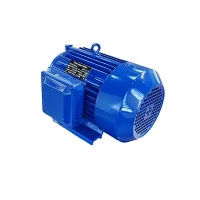
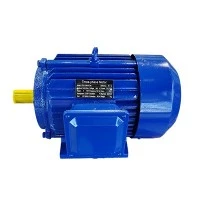
Voltage protection is a crucial aspect of ensuring the reliable and efficient operation of Nema motors. As a Nema motor supplier, I've witnessed firsthand the impact of voltage irregularities on motor performance and longevity. In this blog, I'll delve into how voltage protection works in Nema motors, exploring the mechanisms, benefits, and practical considerations.


Understanding the Basics of Nema Motors
Before we dive into voltage protection, let's briefly understand what Nema motors are. Nema, which stands for the National Electrical Manufacturers Association, has established standards for motor design, dimensions, and performance. Nema motors are widely used in various industrial and commercial applications due to their reliability, efficiency, and standardization. You can explore our range of NEMA Premium 3 Phase Motor, NEMA AC Motor, and NEMA Electric Motor on our website.
The Impact of Voltage Irregularities on Nema Motors
Voltage irregularities, such as overvoltage and undervoltage, can have detrimental effects on Nema motors. Overvoltage can cause excessive current flow, leading to overheating, insulation breakdown, and premature motor failure. On the other hand, undervoltage can result in reduced motor torque, increased current draw, and inefficient operation. These issues not only affect the performance of the motor but also increase energy consumption and maintenance costs.
How Voltage Protection Works
Voltage protection in Nema motors is achieved through various mechanisms, each designed to detect and respond to voltage irregularities. Let's explore some of the common methods:
Overvoltage Protection
- Voltage Sensors: Overvoltage protection systems typically use voltage sensors to monitor the motor's supply voltage. These sensors continuously measure the voltage and compare it to a pre - set threshold. If the voltage exceeds this threshold, the protection system takes action.
- Relay - Based Systems: When an overvoltage condition is detected, a relay can be triggered. The relay can either disconnect the motor from the power supply or activate a voltage - regulating device. For example, in some cases, a step - down transformer can be used to reduce the voltage to a safe level.
- Electronic Circuitry: Modern Nema motors often incorporate advanced electronic circuitry for overvoltage protection. These circuits can quickly detect overvoltage spikes and respond within milliseconds. They can also provide additional features such as adjustable trip settings and diagnostic information.
Undervoltage Protection
- **Similar to overvoltage protection, undervoltage protection also relies on voltage sensors. The sensors monitor the supply voltage and compare it to a lower threshold.
- **When the voltage drops below the threshold, the protection system can take measures to protect the motor. This may include shutting down the motor to prevent it from stalling or operating under inefficient conditions.
- **Some undervoltage protection systems also have a time - delay feature. This prevents false tripping due to temporary voltage dips, allowing the motor to ride through short - term voltage fluctuations.
Benefits of Voltage Protection in Nema Motors
- Enhanced Motor Lifespan: By protecting the motor from overvoltage and undervoltage conditions, voltage protection significantly extends the motor's lifespan. This reduces the frequency of motor replacements and saves on capital costs.
- Improved Energy Efficiency: When a motor operates within its optimal voltage range, it consumes less energy. Voltage protection ensures that the motor runs efficiently, reducing energy bills and environmental impact.
- Reduced Downtime: Voltage - related motor failures can cause significant downtime in industrial and commercial operations. Voltage protection systems minimize the risk of such failures, keeping the production process running smoothly.
- Increased Reliability: With voltage protection, Nema motors are more reliable, providing consistent performance over time. This is especially important in critical applications where motor failure can have serious consequences.
Practical Considerations for Implementing Voltage Protection
- Proper Sizing: When selecting a voltage protection system for a Nema motor, it's essential to ensure proper sizing. The protection system should be rated to handle the motor's voltage, current, and power requirements.
- Installation: Correct installation of the voltage protection system is crucial. It should be installed in accordance with the manufacturer's instructions and relevant electrical codes.
- Maintenance: Regular maintenance of the voltage protection system is necessary to ensure its continued effectiveness. This includes checking the sensors, relays, and other components for proper operation.
Conclusion
Voltage protection is an essential feature in Nema motors, safeguarding them from the damaging effects of overvoltage and undervoltage. As a Nema motor supplier, I highly recommend investing in high - quality voltage protection systems for your motors. Whether you're looking for a NEMA Premium 3 Phase Motor, NEMA AC Motor, or NEMA Electric Motor, make sure to consider the voltage protection capabilities.
If you're interested in purchasing Nema motors or have any questions about voltage protection, feel free to contact us. Our team of experts is ready to assist you in finding the right motor solutions for your specific needs.
References
- National Electrical Manufacturers Association (NEMA) standards for motors.
- Electrical engineering textbooks on motor protection and control.
- Manufacturer's documentation for Nema motors and voltage protection systems.