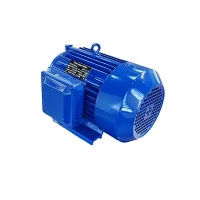
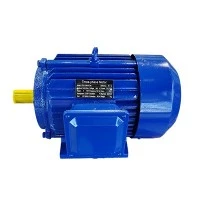
When it comes to industrial motors, the NEMA 56 motor is a well - recognized and widely used component in various applications. As a supplier of NEMA 56 motors, I often get asked about the output power in horsepower of these motors. In this blog, I'll delve into the details of the NEMA 56 motor's output power and its significance in different industrial settings.
Understanding NEMA Standards
Before we discuss the output power of the NEMA 56 motor, it's essential to understand what NEMA is. The National Electrical Manufacturers Association (NEMA) sets standards for motors in North America. These standards ensure that motors from different manufacturers are interchangeable in terms of physical dimensions, mounting, and certain performance characteristics. This standardization simplifies the process of motor selection and replacement for end - users.


There are different NEMA frame sizes, such as the NEMA 48 Motor and the NEMA 56 Motor. Each frame size has its own set of specifications, including power ratings, speed, and torque capabilities. The NEMA 56 motor is known for its versatility and is commonly used in a wide range of applications, from small pumps to conveyor systems.
Output Power in Horsepower of a NEMA 56 Motor
The output power of a NEMA 56 motor can vary depending on several factors, including the motor's design, efficiency, and the specific application it is intended for. Generally, NEMA 56 motors are available in a range of horsepower ratings.
Typically, the output power of a NEMA 56 motor can start from as low as 1/3 horsepower and go up to around 1 horsepower. However, it's important to note that these are approximate values, and some specialized NEMA 56 motors may have power ratings outside of this range.
The horsepower rating of a motor is a measure of its ability to do work. One horsepower is equivalent to 746 watts. When selecting a NEMA 56 motor, the horsepower rating is a crucial factor as it determines the motor's ability to drive the load. For example, if you have a small pump that requires a relatively low amount of power to operate, a 1/3 - horsepower NEMA 56 motor may be sufficient. On the other hand, if you are dealing with a more demanding application, such as a conveyor system that needs to move heavy loads, a 1 - horsepower NEMA 56 motor might be more appropriate.
Factors Affecting Output Power
Several factors can affect the actual output power of a NEMA 56 motor. One of the primary factors is the motor's efficiency. No motor is 100% efficient, and some of the input electrical power is lost as heat. The efficiency of a NEMA 56 motor can range from around 70% to 90%, depending on its design and quality. A more efficient motor will convert a higher percentage of the input power into useful mechanical power, resulting in a higher effective output power.
Another factor is the operating conditions. Motors are designed to operate within a certain temperature range. If the motor is operating in a high - temperature environment, its efficiency may decrease, and the output power may be affected. Similarly, voltage fluctuations can also impact the motor's performance. If the supply voltage is too low, the motor may not be able to reach its rated horsepower, and if the voltage is too high, it can cause overheating and damage to the motor.
The load characteristics also play a significant role. If the load on the motor is constantly changing, the motor may need to adjust its power output accordingly. For example, in a variable - speed application, the motor may need to provide different levels of power at different times. A well - designed NEMA 56 motor should be able to handle these load variations effectively.
Applications of NEMA 56 Motors Based on Power Ratings
The power ratings of NEMA 56 motors make them suitable for a variety of applications.
1. Small Pumps: For small water pumps used in residential or light - commercial applications, a 1/3 - to 1/2 - horsepower NEMA 56 motor is often sufficient. These pumps are used for tasks such as draining water from a basement or circulating water in a small fountain.
2. Conveyor Systems: In some light - duty conveyor systems, a 1 - horsepower NEMA 56 motor can be used to drive the conveyor belt. These conveyor systems are typically used in small manufacturing facilities or warehouses to move lightweight products.
3. Blowers and Fans: NEMA 56 motors with appropriate power ratings are also used in blowers and fans. The motor's power determines the air volume and pressure that the blower or fan can generate. For small - scale ventilation systems, a 1/2 - to 1 - horsepower NEMA 56 motor may be used.
Importance of Selecting the Right Horsepower
Selecting the right horsepower for a NEMA 56 motor is crucial for several reasons. Firstly, if the motor's horsepower is too low for the application, it will be overloaded. An overloaded motor will draw more current than it is designed for, which can lead to overheating, reduced efficiency, and ultimately, motor failure. This can result in costly downtime and repairs.
On the other hand, if the motor's horsepower is too high for the application, it will operate at a lower load factor. This means that the motor will not be using its full capacity, which can lead to inefficiencies and increased energy consumption. In addition, a larger - than - necessary motor may also be more expensive to purchase and install.
Our Offerings as a NEMA 56 Motor Supplier
As a supplier of NEMA 56 Motors, we understand the importance of providing high - quality motors with accurate power ratings. We offer a wide range of NEMA 56 motors with different horsepower ratings to meet the diverse needs of our customers.
Our motors are designed and manufactured to meet or exceed NEMA standards. We use high - quality materials and advanced manufacturing processes to ensure the reliability and efficiency of our motors. In addition, we provide technical support to help our customers select the right motor for their specific applications. Whether you need a 1/3 - horsepower motor for a small pump or a 1 - horsepower motor for a conveyor system, we have the right solution for you.
Contact Us for Your NEMA 56 Motor Needs
If you are in the market for a NEMA 56 motor, we encourage you to get in touch with us. Our team of experts can help you determine the right horsepower rating for your application and provide you with detailed product information. We can also offer competitive pricing and fast delivery times.
Don't hesitate to reach out to us if you have any questions or need assistance with your NEMA 56 motor selection. We are committed to providing our customers with the best products and services in the industry.
References
- National Electrical Manufacturers Association (NEMA) standards for motors.
- Textbooks on electric motors and power systems.
- Industry publications on motor applications and selection.