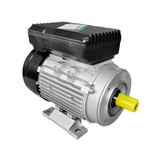
As a supplier of AC forklift motors, ensuring the optimal performance and safety of these motors is of utmost importance. One crucial aspect of maintenance and safety assessment is checking the insulation resistance of an AC forklift motor. In this blog, I'll guide you through the process, explain why it's necessary, and share some best practices.


Why Check Insulation Resistance?
Insulation in an AC forklift motor serves to prevent electrical current from flowing where it shouldn't, such as into the motor's frame or other components. Over time, factors like heat, moisture, vibration, and contaminants can degrade the insulation. A low insulation resistance value can indicate potential problems like insulation breakdown, which may lead to electrical shorts, motor failure, and even pose safety risks such as electric shock or fire hazards. By regularly checking the insulation resistance, you can detect early signs of insulation deterioration and take preventive measures to avoid costly breakdowns and ensure the safety of operators.
Tools Required
Before you start checking the insulation resistance, you'll need the following tools:
- Megohmmeter (Megger): This is a specialized instrument used to measure high resistance values, typically in the megohm range. It applies a high voltage (usually 500V or 1000V) to the motor windings and measures the resulting current flow to calculate the insulation resistance.
- Safety Equipment: Wear appropriate personal protective equipment (PPE), such as insulated gloves and safety glasses, to protect yourself from electrical hazards.
- Cleaning Supplies: You may need a clean, dry cloth or brush to remove any dirt, dust, or debris from the motor terminals and connections.
Step-by-Step Guide to Checking Insulation Resistance
Step 1: Prepare the Motor
- Isolate the Motor: Before performing any electrical tests, ensure that the forklift is turned off and the battery is disconnected to prevent accidental energization. This is a critical safety step to avoid electrical shock.
- Allow the Motor to Cool: If the motor has been running recently, allow it to cool down to room temperature. Hot motors can give inaccurate insulation resistance readings due to the effect of temperature on the insulation material.
- Clean the Motor Terminals: Use a clean, dry cloth or brush to remove any dirt, dust, or debris from the motor terminals and connections. This helps to ensure good electrical contact and accurate test results.
Step 2: Set Up the Megohmmeter
- Select the Appropriate Voltage Range: Most megohmmeters have multiple voltage ranges. For AC forklift motors, a 500V or 1000V range is typically used. Refer to the motor manufacturer's specifications or guidelines to determine the appropriate voltage range for your motor.
- Zero the Megohmmeter: Before taking any measurements, short the test leads together and zero the megohmmeter to ensure accurate readings. This compensates for any internal resistance in the instrument.
Step 3: Measure the Insulation Resistance
- Connect the Test Leads: Connect one test lead of the megohmmeter to the motor winding terminal (usually labeled as "L1," "L2," or "L3" for a three-phase motor) and the other test lead to the motor frame or ground. Make sure the connections are secure and free of any loose wires or debris.
- Apply the Test Voltage: Press the "Test" button on the megohmmeter to apply the test voltage to the motor windings. The megohmmeter will measure the insulation resistance and display the result on the screen.
- Record the Reading: Take note of the insulation resistance reading displayed on the megohmmeter. The reading should be in megohms (MΩ). Compare the reading to the motor manufacturer's specifications or guidelines to determine if the insulation resistance is within the acceptable range.
Step 4: Repeat the Measurement
- Measure the Insulation Resistance Between Phases: For a three-phase AC forklift motor, repeat the insulation resistance measurement between each pair of motor windings (e.g., L1-L2, L1-L3, and L2-L3). This helps to detect any insulation problems between the phases.
- Record All Readings: Record all the insulation resistance readings for future reference. If any of the readings are below the acceptable range, it may indicate a problem with the motor insulation and further investigation or maintenance may be required.
Interpreting the Results
The acceptable insulation resistance value for an AC forklift motor can vary depending on factors such as the motor size, type, and operating conditions. However, as a general rule of thumb, a minimum insulation resistance of 1 megohm (1 MΩ) is often considered acceptable for most motors. If the insulation resistance reading is significantly lower than this value, it may indicate a problem with the motor insulation, such as moisture ingress, contamination, or insulation breakdown.
Here are some general guidelines for interpreting the insulation resistance readings:
- Above 1 MΩ: The insulation resistance is within the acceptable range, and the motor is likely in good condition. However, regular monitoring is still recommended to detect any potential problems early.
- Between 0.5 MΩ and 1 MΩ: The insulation resistance is slightly lower than the ideal value, but it may still be acceptable depending on the motor's age, operating conditions, and manufacturer's recommendations. Further investigation may be required to determine the cause of the low resistance.
- Below 0.5 MΩ: The insulation resistance is significantly lower than the acceptable range, indicating a potential problem with the motor insulation. This could be due to moisture ingress, contamination, or insulation breakdown. In this case, the motor should be taken out of service and inspected by a qualified technician.
Best Practices for Maintaining Motor Insulation
- Keep the Motor Clean and Dry: Regularly clean the motor to remove dirt, dust, and debris, and protect it from moisture and contaminants. This helps to prevent insulation degradation and prolong the motor's lifespan.
- Monitor the Operating Temperature: Excessive heat can damage the motor insulation. Monitor the motor's operating temperature and ensure that it stays within the recommended range. If the motor is running too hot, check for any issues such as overloading, poor ventilation, or a malfunctioning cooling system.
- Perform Regular Inspections: Conduct regular visual inspections of the motor to check for any signs of damage, such as cracks, burns, or loose connections. Also, perform regular insulation resistance tests to detect any potential problems early.
- Follow the Manufacturer's Recommendations: Refer to the motor manufacturer's specifications and guidelines for recommended maintenance procedures, inspection intervals, and insulation resistance values. Following these recommendations will help to ensure the optimal performance and safety of the motor.
Conclusion
Checking the insulation resistance of an AC forklift motor is a simple yet essential maintenance task that can help to prevent costly breakdowns and ensure the safety of operators. By following the steps outlined in this blog and using the appropriate tools and techniques, you can easily perform insulation resistance tests on your forklift motors and detect any potential problems early.
If you're in the market for high-quality 3 Phase AC Electric Motor, Industrial AC Motor, or Dual Shaft AC Motor, we're here to help. Our motors are designed and manufactured to the highest standards of quality and reliability, and we offer a wide range of options to meet your specific needs. Contact us today to learn more about our products and how we can help you with your forklift motor requirements.
References
- Electrical Safety Standards and Guidelines
- Motor Manufacturer's Specifications and Manuals
- Industry Best Practices for Motor Maintenance and Testing