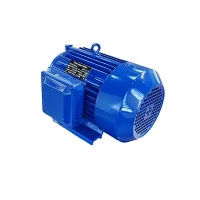
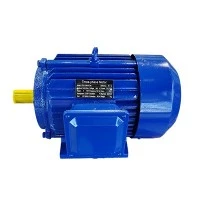
As a reputable supplier of 3 phase AC motors, I understand the critical role that proper ventilation plays in the performance and longevity of these motors. In this blog post, I will share some valuable insights on how to ensure proper ventilation for a 3 phase AC motor.
Understanding the Importance of Ventilation
Before delving into the methods of ensuring proper ventilation, it's essential to understand why ventilation is so crucial for 3 phase AC motors. These motors generate heat during operation due to the electrical resistance in the windings and the mechanical friction in the bearings. If this heat is not dissipated effectively, it can lead to a significant increase in the motor's temperature, which can cause several problems.
Excessive heat can degrade the insulation of the motor windings, reducing their lifespan and increasing the risk of electrical shorts. It can also cause the lubricants in the bearings to break down, leading to increased friction and wear. In severe cases, overheating can even cause the motor to fail completely, resulting in costly downtime and repairs.
Proper ventilation helps to remove the heat generated by the motor, keeping its temperature within a safe operating range. This not only extends the motor's lifespan but also improves its efficiency and reliability.
Factors Affecting Ventilation
Several factors can affect the ventilation of a 3 phase AC motor. Understanding these factors is the first step in ensuring proper ventilation.
Motor Design
The design of the motor itself plays a significant role in its ventilation. Motors with open drip-proof (ODP) enclosures allow air to flow freely through the motor, providing natural ventilation. On the other hand, totally enclosed fan-cooled (TEFC) motors have a sealed enclosure and rely on an external fan to force air over the motor's surface for cooling.
Installation Environment
The environment in which the motor is installed can also impact its ventilation. Motors installed in a well-ventilated area with plenty of fresh air circulation will have better cooling than those installed in a confined space. Additionally, the presence of dust, dirt, or other contaminants in the environment can clog the ventilation openings of the motor, reducing its airflow and cooling efficiency.
Load and Operating Conditions
The load on the motor and its operating conditions can also affect its ventilation requirements. Motors operating at high loads or for extended periods of time will generate more heat and require more effective ventilation. Similarly, motors operating in hot or humid environments will also need additional cooling to maintain a safe operating temperature.
Methods of Ensuring Proper Ventilation
Now that we understand the importance of ventilation and the factors that affect it, let's explore some methods of ensuring proper ventilation for a 3 phase AC motor.
Select the Right Motor Enclosure
As mentioned earlier, the type of motor enclosure can significantly impact its ventilation. When selecting a 3 phase AC motor, it's important to choose an enclosure that is suitable for the installation environment and the motor's operating conditions.
For applications where the motor is exposed to dust, dirt, or moisture, a totally enclosed motor such as a TEFC or a Waterproof AC Motor may be the best choice. These motors have a sealed enclosure that protects the internal components from contaminants and provides better protection against moisture.
On the other hand, if the motor is installed in a clean and well-ventilated area, an open drip-proof (ODP) motor may be sufficient. ODP motors are more cost-effective and provide better natural ventilation.
Provide Adequate Space for Airflow
When installing a 3 phase AC motor, it's important to provide adequate space around the motor for air to flow freely. This includes leaving sufficient clearance between the motor and any nearby walls, equipment, or other obstructions.
The manufacturer's installation instructions typically provide guidelines on the minimum clearance requirements for the motor. It's important to follow these guidelines to ensure proper ventilation.
Install Ventilation Ducts or Fans
In some cases, it may be necessary to install ventilation ducts or fans to improve the airflow around the motor. Ventilation ducts can be used to direct fresh air to the motor or to exhaust hot air away from the motor. Fans can be used to increase the airflow rate and improve the cooling efficiency.
When installing ventilation ducts or fans, it's important to ensure that they are properly sized and installed to provide the required airflow. Additionally, the ducts and fans should be regularly maintained to prevent clogging and ensure optimal performance.
Monitor and Maintain the Motor
Regular monitoring and maintenance of the motor are essential to ensure proper ventilation. This includes checking the motor's temperature, airflow, and ventilation openings on a regular basis.
If the motor's temperature is higher than normal, it may indicate a problem with the ventilation. In this case, it's important to investigate the cause of the problem and take appropriate action to correct it. This may include cleaning the ventilation openings, checking the fan operation, or adjusting the ventilation system.
Special Considerations for Different Types of 3 Phase AC Motors
In addition to the general methods of ensuring proper ventilation, there are some special considerations for different types of 3 phase AC motors.
Dual Shaft AC Motor
Dual shaft AC motors have two output shafts, which can increase the load on the motor and generate more heat. When using a dual shaft AC motor, it's important to ensure that the ventilation system is designed to handle the additional heat generated by the motor.
This may include using a larger fan or increasing the airflow rate through the ventilation ducts. Additionally, it's important to ensure that the motor is properly balanced to prevent excessive vibration, which can also affect the ventilation and cooling of the motor.
Industrial AC Motor
Industrial AC motors are typically used in heavy-duty applications and are subject to high loads and long operating hours. These motors require more robust ventilation systems to ensure proper cooling.
In addition to the methods mentioned above, industrial AC motors may also require the use of specialized cooling systems such as liquid cooling or forced air cooling. These systems can provide more effective cooling and help to extend the motor's lifespan.
Conclusion
Proper ventilation is essential for the performance and longevity of a 3 phase AC motor. By understanding the importance of ventilation, the factors that affect it, and the methods of ensuring proper ventilation, you can ensure that your motor operates safely and efficiently.


As a 3 phase AC motor supplier, we are committed to providing our customers with high-quality motors and expert advice on motor ventilation and maintenance. If you have any questions or need assistance with ensuring proper ventilation for your 3 phase AC motor, please feel free to contact us. We would be happy to discuss your specific requirements and provide you with the best solutions.
References
- Electric Motor Handbook, Second Edition, by Paul C. Krause, Oleg Wasynczuk, and Scott D. Sudhoff
- IEEE Standard for Test Procedures for Polyphase Induction Motors and Generators (IEEE Std 112-2004)