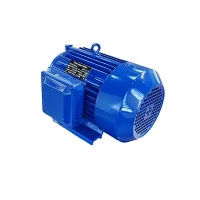
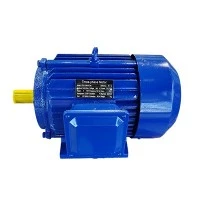
Hey there! As a supplier of 3 phase AC motors, I've seen firsthand the importance of phase - loss protection for these motors. A 3 phase AC motor is a workhorse in many industrial and commercial settings, but it's also quite vulnerable to phase - loss situations. In this blog, I'll share with you how to implement phase - loss protection for a 3 phase AC motor.
Why Phase - Loss Protection is Crucial
Before we dive into the implementation, let's quickly talk about why phase - loss protection is so important. When one phase of a 3 phase power supply fails, it can cause a whole bunch of problems for the motor. The motor will draw excessive current from the remaining two phases, which can lead to overheating. Overheating, in turn, can damage the motor windings, reduce the motor's lifespan, and even cause a complete motor failure. And we all know that motor failures can be a real pain in the neck, leading to costly downtime and repairs.
Methods of Implementing Phase - Loss Protection
1. Thermal Overload Relays
Thermal overload relays are one of the most common ways to protect a 3 phase AC motor from phase - loss. These relays work by sensing the current in the motor circuit. When the current exceeds a certain pre - set value (due to phase - loss or other overload conditions), the relay will trip and cut off the power to the motor.
The way they work is pretty simple. Inside the thermal overload relay, there are bimetallic strips. When current flows through the relay, the bimetallic strips heat up. If the current is too high for too long, the bimetallic strips will bend and activate a mechanism that opens the circuit.
However, thermal overload relays have some limitations. They are relatively slow to respond, and they may not detect a phase - loss situation immediately. Also, they can be affected by ambient temperature, which means their performance might vary in different environments.
2. Phase - Failure Relays
Phase - failure relays are a more advanced option for phase - loss protection. These relays are specifically designed to detect the loss of a phase in a 3 phase power supply. They continuously monitor the voltage and current in each phase.
When a phase - loss occurs, the phase - failure relay can quickly detect the imbalance in voltage or current and send a signal to cut off the power to the motor. They are much faster than thermal overload relays and can provide more reliable protection.
There are different types of phase - failure relays. Some use electronic sensors to monitor the electrical parameters, while others use mechanical contacts. Electronic phase - failure relays are generally more accurate and reliable, but they can also be more expensive.
3. Motor Protection Circuit Breakers
Motor protection circuit breakers combine the functions of a circuit breaker and a motor protection device. They can protect the motor from overcurrent, short - circuit, and phase - loss.
These breakers have adjustable trip settings, which means you can set them according to the specific requirements of your motor. They are also relatively easy to install and maintain.
When a phase - loss occurs, the motor protection circuit breaker will sense the abnormal current or voltage and trip, cutting off the power to the motor. They are a great all - in - one solution for motor protection.
Installation and Setup
Installation of Protection Devices
When installing phase - loss protection devices, it's important to follow the manufacturer's instructions carefully. Make sure the devices are installed in a suitable location, away from sources of heat, moisture, and vibration.
For thermal overload relays, they are usually installed in the motor control circuit. Connect the relay to the motor's power supply so that it can monitor the current flowing through the motor.


Phase - failure relays should be connected to the 3 phase power supply to monitor the voltage and current in each phase. Make sure the wiring is correct and secure to ensure accurate detection.
Motor protection circuit breakers are typically installed in the main power circuit of the motor. They need to be properly sized according to the motor's rated current and other electrical parameters.
Setting the Parameters
Once the protection devices are installed, you need to set the appropriate parameters. For thermal overload relays, you need to set the trip current according to the motor's rated current. This will ensure that the relay trips when the current exceeds a safe level.
For phase - failure relays, you may need to set the sensitivity of the relay to detect phase - loss accurately. This can usually be adjusted using potentiometers or other adjustment mechanisms on the relay.
Motor protection circuit breakers also have adjustable trip settings. You need to set the overcurrent trip level, short - circuit trip level, and other parameters according to the motor's specifications.
Testing and Maintenance
Testing the Protection System
After installing and setting up the phase - loss protection system, it's crucial to test it to make sure it works properly. You can perform a test by simulating a phase - loss situation.
For example, you can temporarily disconnect one phase of the 3 phase power supply (make sure to follow all safety procedures) and see if the protection device trips and cuts off the power to the motor.
It's also a good idea to test the protection system regularly, especially after any maintenance or repair work on the motor or the electrical system.
Maintenance of Protection Devices
Regular maintenance of the phase - loss protection devices is essential to ensure their reliable operation. Check the wiring connections regularly to make sure they are tight and free of corrosion.
Clean the protection devices periodically to remove any dust or debris that may affect their performance. For thermal overload relays, check the bimetallic strips for any signs of damage or wear.
If you notice any problems with the protection devices, such as false tripping or failure to trip, you should troubleshoot and repair them as soon as possible.
Our 3 Phase AC Motor Products
As a 3 phase AC motor supplier, we offer a wide range of high - quality motors. Our AC Ki Motor is a popular choice for many applications. It has a high efficiency and reliable performance, and it can be easily integrated with phase - loss protection devices.
If you need a motor for a specific voltage, our 3 Phase 110V Motor is a great option. It's designed to operate stably at 110V and can be used in various low - voltage applications.
For industrial settings, our Industrial AC Motor is built to withstand harsh working conditions. It has a robust construction and excellent performance, making it suitable for heavy - duty industrial applications.
Conclusion
Implementing phase - loss protection for a 3 phase AC motor is essential to ensure its reliable operation and long lifespan. By using thermal overload relays, phase - failure relays, or motor protection circuit breakers, you can effectively protect your motor from the damage caused by phase - loss.
Proper installation, parameter setting, testing, and maintenance of the protection devices are also crucial for their reliable performance.
If you're interested in our 3 phase AC motors or need more information about phase - loss protection, don't hesitate to contact us for procurement and further discussions. We're here to help you find the best solutions for your motor needs.
References
- Electrical Installation Guidebooks
- Motor Manufacturer's Technical Manuals
- Industry Standards on Motor Protection