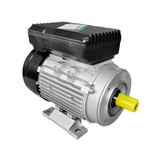
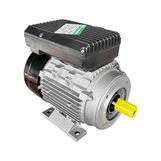
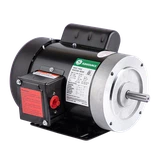
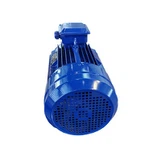
As a supplier of 3 phase AC motors, understanding how to measure the temperature rise of these motors is crucial. Temperature rise is a significant parameter that reflects the motor's operating condition and can have a direct impact on its performance, efficiency, and lifespan. In this blog, I will share some effective methods to measure the temperature rise of a 3 phase AC motor.
Why Measure the Temperature Rise of a 3 Phase AC Motor?
Before diving into the measurement methods, it's essential to understand why we need to measure the temperature rise. A 3 phase AC motor, such as an AC Three Phase Induction Motor, generates heat during operation due to various losses, including copper losses in the windings, iron losses in the core, and mechanical losses. Excessive temperature rise can lead to insulation degradation, reduced motor efficiency, and even motor failure. By monitoring the temperature rise, we can detect potential problems early, ensure the motor operates within its rated temperature limits, and take appropriate measures to prevent damage.
Methods for Measuring Temperature Rise
1. Resistance Method
The resistance method is a widely used technique for measuring the temperature rise of a 3 phase AC motor. This method is based on the principle that the electrical resistance of a conductor changes with temperature. For a copper winding, the resistance increases approximately linearly with temperature.
The steps for using the resistance method are as follows:
- Initial Resistance Measurement: Before starting the motor, measure the resistance of each phase winding using a precision ohmmeter. Record these initial resistance values, denoted as (R_1).
- Final Resistance Measurement: After the motor has run for a sufficient time to reach a steady - state temperature, stop the motor as quickly as possible and measure the resistance of each phase winding again. Record these final resistance values, denoted as (R_2).
- Temperature Calculation: Use the following formula to calculate the temperature rise (\Delta T):
[ \Delta T=\frac{R_2 - R_1}{R_1}(234.5 + T_1)+T_1 - T_0 ]
where (T_1) is the initial ambient temperature, (T_0) is the reference temperature (usually 20°C), and 234.5 is the temperature coefficient constant for copper.
The advantage of the resistance method is its high accuracy, as it directly measures the temperature of the winding, which is the critical part of the motor. However, this method requires stopping the motor to measure the final resistance, which may not be suitable for continuous - operation applications.


2. Thermocouple Method
Thermocouples are temperature sensors that generate a voltage proportional to the temperature difference between two junctions. To measure the temperature rise of a 3 phase AC motor using thermocouples, follow these steps:
- Installation: Install thermocouples at critical locations on the motor, such as the stator winding, core, and bearing. Make sure the thermocouples are in good contact with the measured surface to ensure accurate temperature measurement.
- Monitoring: Connect the thermocouples to a temperature monitoring system, which can continuously record the temperature data during motor operation.
- Temperature Rise Calculation: Subtract the initial ambient temperature from the measured temperature at each location to obtain the temperature rise.
The thermocouple method allows for continuous temperature monitoring without stopping the motor. It can provide real - time temperature information at multiple locations, which is useful for detecting local overheating problems. However, the installation of thermocouples may be complex, and the accuracy of the measurement can be affected by factors such as the quality of the thermocouple and the installation method.
3. Thermistor Method
Thermistors are semiconductor devices whose resistance changes significantly with temperature. Similar to thermocouples, thermistors can be used to measure the temperature of a 3 phase AC motor.
The steps for using thermistors are similar to those of thermocouples:
- Installation: Install thermistors at the desired locations on the motor. Thermistors are usually smaller and more flexible than thermocouples, making them easier to install in some cases.
- Measurement: Connect the thermistors to a resistance - measuring circuit, which can convert the resistance value of the thermistor into a temperature reading.
- Temperature Rise Calculation: Calculate the temperature rise by subtracting the initial ambient temperature from the measured temperature.
Thermistors have high sensitivity and can provide accurate temperature measurements in a relatively small temperature range. However, their resistance - temperature characteristics are non - linear, which requires calibration to ensure accurate temperature readings.
Factors Affecting Temperature Rise Measurement
1. Ambient Conditions
The ambient temperature, humidity, and air circulation around the motor can affect the temperature rise measurement. A high ambient temperature will increase the starting point for temperature rise calculation, while poor air circulation can lead to higher motor temperatures. It's important to measure the ambient temperature accurately and ensure proper ventilation around the motor during operation.
2. Load Conditions
The load on the motor has a significant impact on its temperature rise. A higher load will cause more losses in the motor, resulting in a higher temperature rise. When measuring the temperature rise, it's necessary to operate the motor under the specified load conditions to obtain accurate results.
3. Measurement Errors
Measurement errors can occur due to various factors, such as inaccurate measuring instruments, improper installation of sensors, and electrical interference. To minimize measurement errors, use high - quality measuring instruments, follow the correct installation procedures for sensors, and take appropriate measures to reduce electrical interference.
Importance of Regular Temperature Rise Monitoring
Regular temperature rise monitoring is essential for the reliable operation of 3 phase AC motors. By establishing a temperature monitoring system and regularly measuring the temperature rise, we can detect early signs of problems, such as overloading, insulation deterioration, or bearing failure. This allows us to take timely maintenance actions, such as adjusting the load, replacing insulation materials, or lubricating bearings, to prevent motor breakdowns and extend the motor's lifespan.
Conclusion
Measuring the temperature rise of a 3 phase AC motor is a critical task for ensuring its safe and efficient operation. As a 3 phase AC motor supplier, we recommend using a combination of different measurement methods to obtain comprehensive temperature information. The resistance method provides accurate winding temperature measurement, while thermocouples and thermistors allow for continuous monitoring at multiple locations. By understanding the factors affecting temperature rise measurement and conducting regular monitoring, we can effectively manage the operation of 3 phase AC motors and provide high - quality products and services to our customers.
If you are interested in our Alternating Current AC Motor or 3 Phase 110V Motor, or if you have any questions about temperature rise measurement or motor operation, please feel free to contact us for further discussion and procurement negotiation. We are committed to providing you with the best solutions for your motor needs.
References
- IEEE Standard 112 - 2017, "Standard Test Procedures for Polyphase Induction Motors and Generators".
- National Electrical Manufacturers Association (NEMA) Standards Publication MG 1 - 2016, "Motors and Generators".