

As a seasoned supplier of 1 Phase AC Motors, I've witnessed firsthand the importance of protecting these motors from overload. Overloading can lead to a range of issues, from reduced efficiency and premature wear to complete motor failure. In this blog post, I'll share some practical strategies and best practices for safeguarding your 1 Phase AC Motor against overload.
Understanding Overload in 1 Phase AC Motors
Before we delve into the protection methods, it's crucial to understand what causes overload in 1 Phase AC Motors. Overload occurs when the motor is forced to operate beyond its rated capacity. This can happen due to several reasons, such as:
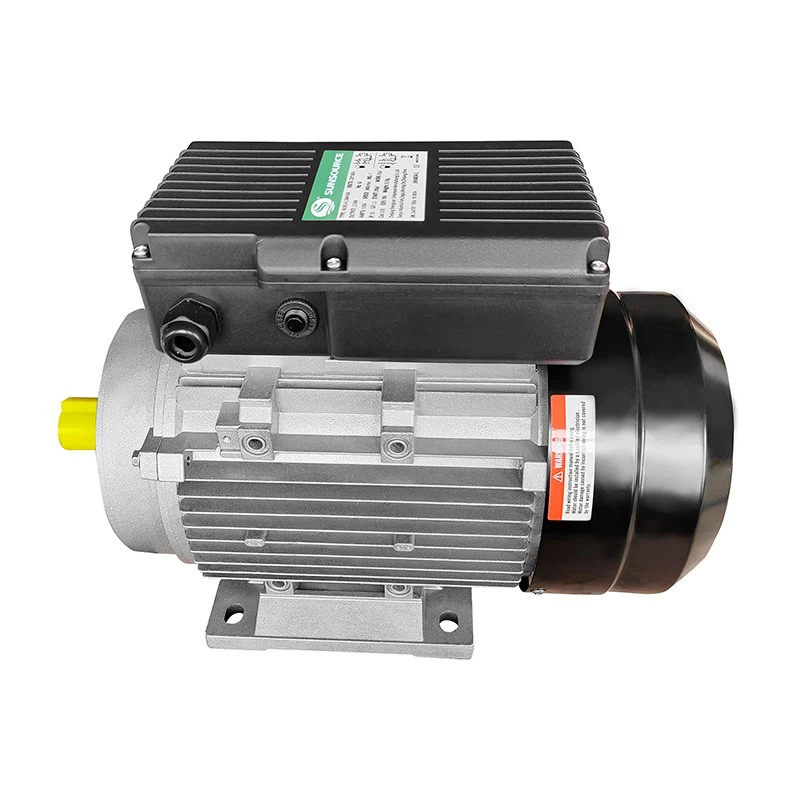

- Mechanical Overload: When the motor is connected to a load that requires more torque than the motor can provide, it leads to mechanical overload. For example, if a conveyor belt is overloaded with excessive weight, the motor driving it will have to work harder, potentially causing an overload.
- Electrical Overload: This can occur due to factors like voltage fluctuations, short circuits, or incorrect wiring. If the voltage supplied to the motor is too high or too low, it can cause the motor to draw more current than normal, leading to overheating and overload.
- Environmental Factors: High ambient temperatures, dust, and moisture can also affect the motor's performance and increase the risk of overload. For instance, in a hot and humid environment, the motor may struggle to dissipate heat effectively, causing it to overheat.
Strategies to Protect 1 Phase AC Motors from Overload
Now that we understand the causes of overload, let's explore some effective strategies to protect your 1 Phase AC Motor:
- Proper Sizing: One of the most important steps in preventing overload is to ensure that the motor is properly sized for the application. Select a motor with a rated power and torque that can handle the expected load. Refer to the manufacturer's specifications and guidelines to choose the right motor for your needs. You can find a wide range of One Phase AC Motor options on our website.
- Use Overload Protection Devices: Installing overload protection devices is essential for safeguarding your motor. These devices monitor the motor's current and automatically trip the circuit if the current exceeds a pre - set limit. Common types of overload protection devices include thermal overload relays, magnetic overload relays, and electronic overload relays.
- Thermal Overload Relays: These relays use a bimetallic strip that bends when heated by the motor's current. When the current exceeds the rated value, the bimetallic strip bends enough to open the circuit, protecting the motor from overheating.
- Magnetic Overload Relays: Magnetic overload relays operate based on the magnetic field generated by the motor's current. When the current exceeds the set limit, the magnetic force activates a mechanism that trips the circuit.
- Electronic Overload Relays: These relays use electronic sensors to monitor the motor's current and provide more accurate and adjustable protection. They can also offer additional features such as phase loss protection and ground fault protection.
- Regular Maintenance: Regular maintenance is key to keeping your 1 Phase AC Motor in good working condition and preventing overload. This includes:
- Inspecting the Motor: Check the motor for any signs of damage, such as worn - out bearings, loose connections, or damaged windings. Replace any faulty components promptly.
- Cleaning the Motor: Remove dust, dirt, and debris from the motor regularly to ensure proper ventilation and heat dissipation. Use a soft brush or compressed air to clean the motor.
- Lubricating the Motor: If the motor has bearings, lubricate them according to the manufacturer's recommendations. Proper lubrication reduces friction and wear, extending the motor's lifespan.
- Checking the Electrical System: Inspect the wiring, switches, and other electrical components for any signs of damage or loose connections. Ensure that the voltage and current are within the motor's rated values.
- Monitoring the Motor: Continuous monitoring of the motor's performance can help detect early signs of overload and prevent major problems. You can use various monitoring techniques, such as:
- Current Monitoring: Use a clamp - on ammeter to measure the motor's current regularly. Compare the measured current with the motor's rated current to ensure that it is operating within the normal range.
- Temperature Monitoring: Install temperature sensors on the motor to monitor its temperature. If the temperature exceeds the normal operating range, it may indicate an overload or other problem.
- Vibration Monitoring: Excessive vibration can be a sign of mechanical problems or overload. Use a vibration sensor to monitor the motor's vibration levels and detect any abnormal vibrations.
Choosing the Right Motor for Your Application
When selecting a 1 Phase AC Motor for your application, it's important to consider the specific requirements of the load. Different types of 1 Phase AC Motors are suitable for different applications, such as:
- AC Torque Motor: AC Torque Motor is designed to provide high torque at low speeds. It is commonly used in applications where precise control of torque is required, such as in conveyor systems, winding machines, and tension control systems.
- AC Induction Motor: AC Induction Motor is the most widely used type of 1 Phase AC Motor. It is simple, reliable, and cost - effective. AC Induction Motors are suitable for a wide range of applications, including fans, pumps, compressors, and small machinery.
Importance of Voltage Regulation
Voltage fluctuations can have a significant impact on the performance and lifespan of your 1 Phase AC Motor. To protect the motor from overload caused by voltage variations, it's important to ensure proper voltage regulation.
- Use a Voltage Regulator: A voltage regulator can help maintain a stable voltage supply to the motor. It automatically adjusts the voltage to compensate for any fluctuations in the input voltage, ensuring that the motor receives a consistent and appropriate voltage.
- Check the Power Supply: Make sure that the power supply to the motor is stable and within the motor's rated voltage range. If the power supply is unreliable, consider using an uninterruptible power supply (UPS) to provide backup power in case of a power outage or voltage dip.
Environmental Considerations
As mentioned earlier, environmental factors can affect the motor's performance and increase the risk of overload. Here are some environmental considerations to keep in mind:
- Temperature Control: Ensure that the motor is installed in an environment with a suitable temperature range. If the ambient temperature is too high, consider using cooling methods such as fans or heat sinks to lower the motor's temperature.
- Moisture and Dust Protection: Protect the motor from moisture and dust by installing it in a sealed enclosure or using protective covers. Moisture can cause corrosion and short circuits, while dust can clog the motor's ventilation system and reduce its efficiency.
Training and Education
Proper training and education of the personnel who operate and maintain the 1 Phase AC Motor are essential for preventing overload. Make sure that the operators are aware of the motor's rated capacity, operating instructions, and safety procedures. Provide training on how to recognize the signs of overload and how to take appropriate action to prevent it.
Conclusion
Protecting a 1 Phase AC Motor from overload is crucial for ensuring its reliable operation and longevity. By following the strategies outlined in this blog post, such as proper sizing, using overload protection devices, regular maintenance, monitoring, and considering environmental factors, you can significantly reduce the risk of overload and extend the life of your motor.
If you're in the market for a high - quality 1 Phase AC Motor or need more information on motor protection, we're here to help. Our team of experts can assist you in choosing the right motor for your application and provide you with the necessary support and guidance. Contact us today to start a discussion about your motor requirements and let's work together to find the best solution for your needs.
References
- "Electric Motors and Drives: Fundamentals, Types, and Applications" by Austin Hughes and Bill Drury.
- Manufacturer's manuals and technical specifications for 1 Phase AC Motors.
- Industry standards and guidelines for motor protection and maintenance.


