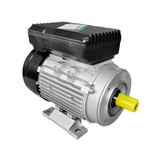
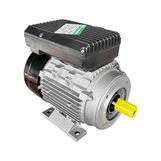
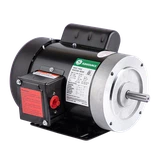
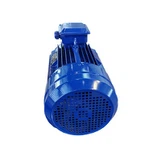
As a seasoned supplier of AC current motors, I've witnessed firsthand the challenges that businesses face when dealing with hysteresis loss. Hysteresis loss is a significant issue in AC current motors, as it can lead to reduced efficiency, increased energy consumption, and premature wear and tear on the motor. In this blog post, I'll share some practical strategies that can help you reduce hysteresis loss in your AC current motors, ensuring optimal performance and cost savings.
Understanding Hysteresis Loss
Before we delve into the solutions, it's essential to understand what hysteresis loss is and how it occurs. In an AC current motor, the magnetic field in the core of the motor constantly changes direction as the alternating current flows through the windings. This continuous reversal of the magnetic field causes the magnetic domains in the core material to realign themselves with the changing field.
The process of realigning these magnetic domains requires energy, and this energy is dissipated as heat. This heat generation is known as hysteresis loss. The amount of hysteresis loss depends on several factors, including the type of core material, the frequency of the alternating current, and the maximum magnetic flux density in the core.
Choosing the Right Core Material
One of the most effective ways to reduce hysteresis loss is by choosing the right core material for your AC current motor. Different materials have different magnetic properties, which can significantly affect the amount of hysteresis loss.
Silicon Steel: Silicon steel is a popular choice for motor cores due to its low hysteresis loss and high magnetic permeability. The addition of silicon to the steel reduces the electrical conductivity of the material, which helps to minimize eddy current losses. Eddy current losses are another type of energy loss in motors that occur due to the induced currents in the core material.
Amorphous Metals: Amorphous metals are another option for reducing hysteresis loss. These materials have a disordered atomic structure, which results in very low hysteresis losses. Amorphous metal cores can reduce hysteresis loss by up to 70% compared to traditional silicon steel cores. However, amorphous metals are more expensive and more difficult to manufacture, which can limit their widespread use.


Optimizing the Motor Design
In addition to choosing the right core material, optimizing the motor design can also help to reduce hysteresis loss. Here are some design considerations:
Core Shape and Size: The shape and size of the motor core can affect the magnetic flux distribution and the amount of hysteresis loss. A well-designed core shape can ensure a more uniform magnetic flux distribution, reducing the maximum magnetic flux density and thus the hysteresis loss.
Winding Configuration: The winding configuration of the motor can also impact hysteresis loss. Using a distributed winding configuration can help to reduce the magnetic field distortion and the associated hysteresis loss. Distributed windings spread the magnetic field more evenly across the core, resulting in a more efficient motor operation.
Controlling the Operating Conditions
The operating conditions of the AC current motor can also have a significant impact on hysteresis loss. Here are some tips for controlling the operating conditions:
Frequency Control: The frequency of the alternating current affects the rate at which the magnetic field changes direction in the motor core. By controlling the frequency, you can reduce the hysteresis loss. Variable frequency drives (VFDs) can be used to adjust the frequency of the power supply to the motor, allowing you to optimize the motor's performance and reduce energy consumption.
Temperature Control: Hysteresis loss increases with temperature. Therefore, maintaining the motor at an optimal operating temperature can help to reduce hysteresis loss. Proper ventilation and cooling systems can be installed to keep the motor temperature within the recommended range.
Regular Maintenance and Monitoring
Regular maintenance and monitoring of your AC current motors are crucial for ensuring optimal performance and reducing hysteresis loss. Here's what you can do:
Inspection and Cleaning: Regularly inspect the motor for any signs of wear and tear, such as damaged windings or loose connections. Clean the motor to remove any dirt or debris that could affect its performance.
Performance Monitoring: Use monitoring systems to track the motor's performance, including power consumption, temperature, and vibration. By analyzing the data, you can identify any potential issues early and take corrective action to prevent further damage and reduce hysteresis loss.
Conclusion
Reducing hysteresis loss in AC current motors is essential for improving efficiency, reducing energy consumption, and extending the lifespan of the motor. By choosing the right core material, optimizing the motor design, controlling the operating conditions, and performing regular maintenance and monitoring, you can minimize hysteresis loss and ensure that your motors operate at their best.
If you're in the market for high-quality AC current motors, we offer a wide range of products, including Three Phase AC Motor, 3 Phase 110V Motor, and Waterproof AC Motor. Our motors are designed with the latest technology and high-quality materials to minimize hysteresis loss and provide reliable performance. Contact us today to discuss your specific requirements and explore how our motors can meet your needs.
References
- Chapman, S. J. (2012). Electric Machinery Fundamentals. McGraw-Hill Education.
- Fitzgerald, A. E., Kingsley, C., & Umans, S. D. (2003). Electric Machinery. McGraw-Hill Education.