Hey there! As a supplier of AC current motors, I've seen firsthand how mechanical losses can eat into the efficiency and performance of these motors. In this blog post, I'm gonna share some tips on how to reduce those pesky mechanical losses in an AC current motor.
First off, let's understand what mechanical losses are. Mechanical losses in an AC motor mainly include friction losses and windage losses. Friction losses occur at the bearings and brushes (if the motor has them), while windage losses are caused by the air resistance against the rotating parts of the motor.
Bearing Maintenance
One of the biggest culprits of mechanical losses is bearing friction. Bearings support the rotating shaft of the motor, and over time, they can wear out, leading to increased friction. To reduce friction losses at the bearings, regular maintenance is key.
- Lubrication: Make sure the bearings are properly lubricated. Using the right type of lubricant can significantly reduce friction. Check the manufacturer's recommendations for the correct lubricant and the appropriate lubrication intervals. For example, some high - speed motors may require more frequent lubrication than low - speed ones.
- Alignment: Proper shaft alignment is crucial. Misaligned shafts can put extra stress on the bearings, causing premature wear and increased friction. Use alignment tools to ensure that the motor shaft and the driven equipment shaft are perfectly aligned. This not only reduces mechanical losses but also extends the lifespan of the bearings.
Brush Care (if applicable)
Some AC motors, like certain types of universal motors, use brushes. These brushes make contact with the commutator to transfer electrical current to the rotating part of the motor.
- Inspection: Regularly inspect the brushes for wear. Worn - out brushes can cause arcing, which not only increases electrical losses but also mechanical losses due to the extra force needed to maintain contact. Replace the brushes when they reach the recommended wear limit.
- Cleaning: Keep the commutator clean. Dirt and debris on the commutator can cause uneven contact with the brushes, leading to increased friction and wear. Use a clean, dry cloth to wipe the commutator periodically.
Reducing Windage Losses
Windage losses are another significant source of mechanical losses in AC motors. These losses occur because the rotating parts of the motor have to push through the air.
- Aerodynamic Design: Motors with a more aerodynamic design can reduce windage losses. Some modern motors are designed with smooth, streamlined shapes to minimize air resistance. For example, the rotor of the motor can be designed with rounded edges instead of sharp corners to allow the air to flow more smoothly around it.
- Enclosure Design: The motor enclosure also plays a role in windage losses. A well - designed enclosure can direct the air flow in a way that reduces resistance. For instance, some enclosures have ventilation channels that are designed to guide the air in a more efficient path, reducing the drag on the rotating parts.
Using High - Quality Materials
The materials used in the construction of the motor can have a big impact on mechanical losses.
- Rotor and Stator Materials: High - quality magnetic materials for the rotor and stator can reduce eddy current losses, which are related to mechanical losses. For example, using laminated steel cores in the stator and rotor can reduce eddy currents, which in turn reduces the heat generated and the mechanical losses associated with it.
- Bearing Materials: Using high - quality bearing materials can also reduce friction losses. For example, ceramic bearings have lower friction coefficients than traditional steel bearings, which can lead to significant savings in mechanical losses, especially in high - speed applications.
Motor Sizing and Loading
Proper motor sizing and loading are essential for reducing mechanical losses.
- Correct Sizing: Selecting the right - sized motor for the application is crucial. An oversized motor will operate at a lower load factor, which can increase mechanical losses. On the other hand, an undersized motor will be overloaded, leading to increased heat generation and mechanical stress. Use motor sizing calculators and consult with experts to ensure you choose the right motor for your specific application.
- Load Management: Try to keep the motor operating at or near its rated load. Fluctuations in load can cause the motor to operate inefficiently, increasing mechanical losses. For example, if you have a process that requires variable loads, consider using a variable - frequency drive (VFD) to adjust the motor speed according to the load.
Regular Inspections and Monitoring
Regular inspections and monitoring of the motor can help detect and address mechanical losses early.


- Vibration Analysis: Use vibration analysis tools to detect any abnormal vibrations in the motor. Vibrations can be a sign of misalignment, bearing problems, or other mechanical issues. By identifying and fixing these problems early, you can prevent further increases in mechanical losses.
- Temperature Monitoring: Monitor the motor temperature. An increase in temperature can indicate increased mechanical losses due to friction or other issues. Use temperature sensors to keep track of the motor temperature and take action if it exceeds the normal operating range.
Upgrading to Modern Motors
If you have an older motor, upgrading to a modern, more efficient motor can be a great way to reduce mechanical losses. Modern motors are designed with advanced technologies and better materials, which can significantly improve efficiency.
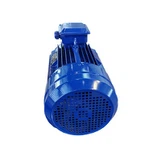
- Energy - Efficient Designs: Many modern AC motors are designed to meet or exceed energy - efficiency standards. These motors often have lower mechanical losses due to their improved designs, such as better bearing systems, more aerodynamic shapes, and high - quality materials. For example, a 3 Phase AC Induction Motor with an energy - efficient design can save a significant amount of energy compared to an older, less efficient model.
- Smart Motor Technologies: Some modern motors come with smart technologies that can optimize their operation. For example, motors with built - in sensors can adjust their speed and torque based on the load, reducing mechanical losses in the process.
In conclusion, reducing mechanical losses in an AC current motor requires a combination of proper maintenance, good design, and smart operation. By following these tips, you can improve the efficiency of your AC motors, save energy, and reduce operating costs.
If you're in the market for high - quality 3 Phase AC Electric Motor or Alternating Current AC Motor, we're here to help. Our motors are designed with efficiency in mind, and we can provide you with the right solution for your specific application. Contact us to start a procurement discussion and let's work together to get you the best motor for your needs.
References
- "Electric Machinery Fundamentals" by Stephen J. Chapman
- "Motor Efficiency and Power Factor" published by the U.S. Department of Energy