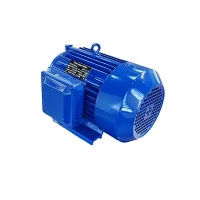
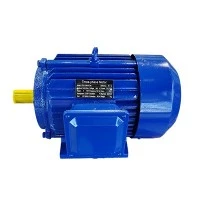
Upgrading an old NEMA AC motor can be a game-changer for your operations. As a NEMA AC motor supplier, I've seen firsthand how a well-executed upgrade can boost efficiency, cut costs, and extend the lifespan of your equipment. In this blog, I'll walk you through the process, sharing some tips and tricks I've picked up over the years.
Why Upgrade Your Old NEMA AC Motor?
Before we dive into the upgrade process, let's talk about why you should consider upgrading your old motor in the first place. Old motors are often less efficient, which means they consume more energy and cost you more money in the long run. They may also be prone to breakdowns and require frequent maintenance, leading to downtime and lost productivity.
Upgrading to a newer NEMA AC motor can address these issues. Newer motors are designed with advanced technologies that improve efficiency, reduce energy consumption, and enhance reliability. For example, NEMA Premium 3 Phase Motor are built to meet strict energy efficiency standards, which can result in significant cost savings over time.
Assessing Your Motor's Condition
The first step in upgrading your old NEMA AC motor is to assess its current condition. This involves checking for signs of wear and tear, such as frayed wires, loose connections, or damaged bearings. You should also test the motor's performance to determine its efficiency and power output.
If you're not familiar with motor testing, it's a good idea to hire a professional technician to do it for you. They have the tools and expertise to accurately assess your motor's condition and recommend the best course of action.


Choosing the Right Replacement Motor
Once you've assessed your motor's condition, the next step is to choose the right replacement motor. This involves considering several factors, such as the motor's horsepower, speed, voltage, and frame size. You'll also need to decide whether you want a single-phase or three-phase motor, depending on your specific application.
As a NEMA AC motor supplier, I can help you choose the right motor for your needs. I have a wide range of NEMA Rated Motor in stock, including high-efficiency models that can help you save energy and reduce costs.
Preparing for the Upgrade
Before you start the upgrade process, you'll need to prepare your workspace and gather the necessary tools and materials. This includes disconnecting the power supply to the old motor, removing any covers or guards, and marking the wires and connections for easy reinstallation.
You'll also need to make sure you have the right tools for the job, such as a socket wrench, pliers, and a multimeter. If you're not comfortable working with electrical equipment, it's a good idea to hire a professional electrician to do the installation for you.
Removing the Old Motor
Once you've prepared your workspace and gathered the necessary tools and materials, the next step is to remove the old motor. This involves disconnecting the wires and connections, removing the mounting bolts, and lifting the motor out of its housing.
Be careful when removing the old motor, as it may be heavy and awkward to handle. You may need to enlist the help of a friend or colleague to assist you.
Installing the New Motor
After you've removed the old motor, the next step is to install the new motor. This involves reversing the steps you took to remove the old motor, such as connecting the wires and connections, mounting the motor to its housing, and tightening the mounting bolts.
Make sure you follow the manufacturer's instructions carefully when installing the new motor. This will ensure that the motor is installed correctly and operates safely and efficiently.
Testing the New Motor
Once you've installed the new motor, the next step is to test it to make sure it's working properly. This involves reconnecting the power supply, turning on the motor, and checking for any signs of abnormal operation, such as excessive noise, vibration, or heat.
If you notice any problems during the test, stop the motor immediately and consult the manufacturer's troubleshooting guide or a professional technician for assistance.
Maintaining Your New Motor
After you've installed and tested the new motor, it's important to maintain it properly to ensure its long-term performance and reliability. This involves following the manufacturer's recommended maintenance schedule, which may include tasks such as lubricating the bearings, checking the belts and pulleys, and cleaning the motor.
Regular maintenance can help prevent breakdowns and extend the lifespan of your motor, saving you time and money in the long run.
Conclusion
Upgrading an old NEMA AC motor can be a challenging but rewarding process. By following the steps outlined in this blog, you can ensure that your upgrade is successful and that your new motor operates safely and efficiently for years to come.
If you have any questions or need further assistance with your motor upgrade, please don't hesitate to contact me. As a NEMA AC motor supplier, I'm here to help you find the right motor for your needs and provide you with the support and expertise you need to get the job done right.
If you're interested in purchasing a new NEMA AC motor or discussing your upgrade options, feel free to reach out to me. I'd be happy to help you find the perfect solution for your business.
References
- "NEMA Standards Publication MG 1-2016, Motors and Generators." National Electrical Manufacturers Association.
- "Energy-Efficient Electric Motors." U.S. Department of Energy.
- "Motor Maintenance and Troubleshooting." Electrical Construction & Maintenance Magazine.