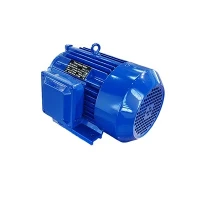
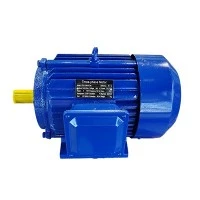
Hey there! As a supplier of NEMA 48 motors, I've seen my fair share of motor failures over the years. In this blog post, I'm gonna break down the common failures of a NEMA 48 motor, so you can be better prepared to keep your motors running smoothly.
Overheating
One of the most common issues with NEMA 48 motors is overheating. Motors generate heat during normal operation, but when they get too hot, it can lead to serious problems. Overheating can be caused by a few different factors.
First off, if the motor is overloaded, it has to work harder than it's designed to. Just like when you're trying to carry too many groceries at once, it puts a lot of strain on the motor. This extra effort causes the motor to heat up. For example, if you're using a NEMA 48 motor to power a machine that's drawing more current than the motor can handle, it'll start to overheat pretty quickly.


Another reason could be poor ventilation. Motors need good airflow to cool down. If the motor is in a tight space or surrounded by debris, the heat can't escape. Think of it like being in a stuffy room with no windows open. The motor will just keep getting hotter and hotter.
Bearing Failure
Bearings are crucial parts of a NEMA 48 motor. They support the rotating shaft and reduce friction. But over time, bearings can wear out. This can happen due to normal use, but there are also other factors that can speed up the process.
Lack of lubrication is a big culprit. Bearings need to be properly lubricated to work smoothly. If the lubricant dries up or gets contaminated, the bearings will start to grind against each other. It's like trying to ride a bike with no oil on the chain - it just doesn't work well.
Excessive vibration can also damage bearings. When a motor vibrates too much, it puts extra stress on the bearings. This can cause them to wear out faster and eventually fail. Sometimes, misalignment of the motor or the equipment it's connected to can cause this vibration.
Electrical Issues
There are several electrical problems that can cause a NEMA 48 motor to fail. One of the most common is a short circuit. A short circuit happens when there's an unintended connection between two points in the electrical circuit. This can cause a large amount of current to flow, which can damage the motor's windings.
Another issue is voltage problems. If the voltage supplied to the motor is too high or too low, it can affect the motor's performance. For instance, if the voltage is too low, the motor might not be able to start properly or might run at a lower speed than normal. On the other hand, if the voltage is too high, it can overheat the motor and damage the insulation on the windings.
Insulation Breakdown
The insulation in a NEMA 48 motor is important for protecting the electrical windings. It prevents current from leaking and keeps the motor running safely. But over time, the insulation can break down.
This can be due to age, heat, or moisture. As the motor gets older, the insulation can start to crack and deteriorate. High temperatures can also cause the insulation to break down faster. And if the motor is exposed to moisture, it can damage the insulation and lead to electrical problems.
Contamination
Contamination is another factor that can cause motor failure. Dust, dirt, and other particles can get into the motor and cause problems. For example, if dust accumulates on the motor's windings, it can reduce the motor's efficiency and cause overheating.
Oil and grease can also be a problem. If they get into the wrong parts of the motor, they can interfere with the normal operation of the motor. For instance, if oil gets on the bearings, it can wash away the lubricant and cause the bearings to wear out faster.
Comparison with Other NEMA Motors
It's worth comparing the NEMA 48 motor with other NEMA motors, like the NEMA 56 Motor. While the basic principles of operation are similar, there are some differences in terms of size, power, and performance. The NEMA 56 motor is generally larger and more powerful than the NEMA 48 motor. This means that it might be more resistant to some of the common failures we've discussed, but it also has its own set of potential issues.
The NEMA Electric Motor category as a whole includes a wide range of motors with different specifications and applications. The NEMA 48 motor is just one part of this family, and understanding how it compares to other motors can help you make better decisions when it comes to maintenance and replacement.
The NEMA Premium 3 Phase Motor is designed for high - efficiency operation. It might have different failure modes compared to the NEMA 48 motor, mainly because of its advanced design and the technology used to achieve higher efficiency.
Preventive Measures
Now that we've talked about the common failures, let's discuss some preventive measures. Regular maintenance is key. This includes checking the motor's temperature, lubricating the bearings, and inspecting the electrical connections.
Keep the motor clean and free of debris. Make sure it has good ventilation. You can also install monitoring devices to detect any early signs of problems, like overheating or abnormal vibration.
Conclusion
In conclusion, being aware of the common failures of a NEMA 48 motor can help you take better care of your motors. Whether you're using them in industrial applications or for other purposes, understanding these issues can save you time and money in the long run.
If you're in the market for a NEMA 48 motor or need help with maintenance and troubleshooting, don't hesitate to reach out. We're here to provide you with the best products and support. Let's connect and start a conversation about your motor needs!
References
- General knowledge from years of experience as a NEMA 48 motor supplier.
- Industry - standard motor maintenance and troubleshooting guides.