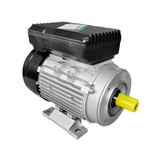
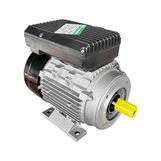
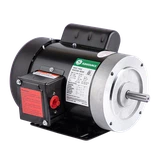
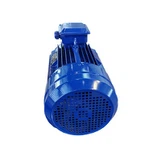
Hey there! As a Nema motor supplier, I've seen my fair share of issues with these motors over the years. In this blog, I'm gonna talk about some of the common problems you might run into with Nema motors and how you can deal with them.
Overheating
One of the most common problems with Nema motors is overheating. This can happen for a bunch of reasons. First off, if the motor is overloaded, it has to work harder than it's designed to. When you ask a motor to handle more load than it can handle, it generates extra heat. For example, if you're using a Small NEMA Motor to power a machine that requires a lot of torque, the motor will struggle and start to heat up.
Another reason for overheating is poor ventilation. Motors need proper airflow to stay cool. If the motor is installed in a tight space with no room for air to circulate, the heat can't escape. Dust and debris can also clog the ventilation openings, reducing the airflow. You should regularly clean the motor and make sure there's enough space around it for air to move freely.
Overheating can cause serious damage to the motor. It can break down the insulation on the windings, which can lead to short circuits. And if the motor gets too hot for too long, it can even cause the bearings to fail. To prevent overheating, you need to make sure the motor is properly sized for the load and that it has good ventilation.
Bearing Failure
Bearings are a crucial part of Nema motors. They support the rotating shaft and allow it to spin smoothly. But bearings can fail for several reasons. One common cause is lack of lubrication. Bearings need to be lubricated regularly to reduce friction. If the lubricant runs out or breaks down, the bearings will start to wear out quickly.
Contamination is another big problem for bearings. Dust, dirt, and moisture can get into the bearings and cause damage. For example, if the motor is used in a dirty environment, like a construction site, the bearings are more likely to get contaminated. You can use seals and shields to protect the bearings from contaminants, but you still need to check them regularly.
When bearings fail, it can make a lot of noise. You might hear a grinding or rattling sound coming from the motor. The motor might also vibrate more than usual. If you notice these signs, you should stop using the motor right away and replace the bearings. Otherwise, the damage can spread to other parts of the motor.
Electrical Issues
Electrical problems are also common in Nema motors. One of the most common electrical issues is a short circuit. A short circuit happens when the electrical current takes an unintended path. This can be caused by damaged insulation on the windings, as I mentioned earlier. If the insulation breaks down, the wires can touch each other, creating a short circuit.
Another electrical problem is a ground fault. A ground fault occurs when the electrical current leaks to the ground. This can be dangerous, as it can cause electric shocks. Ground faults can be caused by damaged insulation or loose connections. You should always use a ground fault circuit interrupter (GFCI) to protect against ground faults.
Voltage problems can also affect Nema motors. If the voltage is too high or too low, it can cause the motor to run inefficiently or even damage it. You need to make sure the motor is connected to the correct voltage source. You can use a voltage meter to check the voltage and make any necessary adjustments.
Vibration
Excessive vibration is another issue that you might encounter with Nema motors. Vibration can be caused by several factors. One common cause is misalignment. If the motor shaft is not properly aligned with the driven equipment, it can cause the motor to vibrate. This can happen during installation or if the equipment shifts over time.
Unbalanced rotating parts can also cause vibration. For example, if the fan or pulley on the motor is not balanced, it can create an uneven force as it rotates, causing the motor to vibrate. You can use a balancing machine to balance the rotating parts.
Vibration can cause a lot of problems. It can loosen the bolts and connections on the motor, which can lead to further damage. It can also make the motor less efficient and increase the wear and tear on the components. To reduce vibration, you need to make sure the motor is properly aligned and the rotating parts are balanced.
Noise
Noise is often a sign that something is wrong with the Nema motor. As I mentioned earlier, bearing failure can cause a grinding or rattling noise. But there are other reasons for noise as well. Loose parts can vibrate and make noise. For example, if a bolt is loose on the motor housing, it can create a rattling sound.
Electrical problems can also cause noise. A short circuit or a ground fault can create a buzzing or humming sound. You should always investigate any unusual noise coming from the motor. It could be a sign of a serious problem that needs to be fixed right away.
Solutions and Maintenance
Now that we've talked about the common problems, let's talk about how to solve them and keep your Nema motors running smoothly. Regular maintenance is key. You should follow the manufacturer's maintenance schedule. This usually includes tasks like lubricating the bearings, cleaning the motor, and checking the electrical connections.
Proper installation is also very important. Make sure the motor is installed correctly and that all the components are properly aligned. If you're not sure how to install the motor, you can hire a professional.
When it comes to choosing a Nema motor, you need to make sure it's the right one for your application. If you need a motor with high efficiency, you might want to consider a NEMA Premium Efficient Motor. And if you have a small space, a Small NEMA Motor might be the best choice.


Conclusion
In conclusion, Nema motors are reliable and widely used, but they can have some common problems. Overheating, bearing failure, electrical issues, vibration, and noise are all issues that you might encounter. By understanding these problems and taking the necessary steps to prevent and fix them, you can keep your Nema motors running smoothly for a long time.
If you're in the market for a Nema motor or you need help with maintenance and troubleshooting, feel free to reach out. We're here to help you find the right motor for your needs and ensure that it works properly. Whether you need a NEMA Premium 3 Phase Motor or any other type of Nema motor, we've got you covered. Contact us to start the procurement process and let's work together to get your motor up and running.
References
- General knowledge from years of experience as a Nema motor supplier.
- Manufacturer's manuals and technical documents for Nema motors.