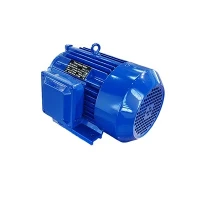
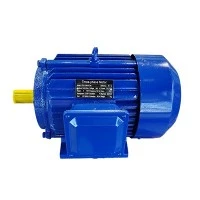
When it comes to operating an AC current motor in a hazardous environment, there are several special requirements that must be met to ensure safety, reliability, and compliance with industry standards. As a leading supplier of AC current motors, we understand the critical importance of these factors and are committed to providing motors that meet the highest standards for use in challenging conditions.
Understanding Hazardous Environments
Hazardous environments are those where there is a risk of fire, explosion, or other dangerous conditions due to the presence of flammable gases, vapors, dusts, or fibers. These environments can be found in a variety of industries, including oil and gas, chemical processing, mining, and food and beverage production. In these settings, even a small spark or overheating motor can trigger a catastrophic event, making it essential to use motors that are specifically designed and certified for use in hazardous locations.
Special Requirements for AC Current Motors in Hazardous Environments
1. Explosion-Proof Design
One of the most critical requirements for motors in hazardous environments is an explosion-proof design. Explosion-proof motors are constructed to contain any internal explosion and prevent it from igniting the surrounding hazardous atmosphere. These motors are typically enclosed in a robust housing that is designed to withstand the pressure of an internal explosion without rupturing. The housing is also sealed to prevent the entry of flammable gases or dusts, further reducing the risk of ignition.
Our Three Phase AC Motor is available in explosion-proof designs, ensuring reliable operation in the most demanding hazardous environments. These motors are built to meet strict international standards for explosion protection, providing peace of mind for our customers.
2. Temperature Classification
In addition to explosion-proof design, motors used in hazardous environments must also be classified according to their temperature rise. The temperature classification indicates the maximum surface temperature of the motor under normal operating conditions, which is crucial for preventing the ignition of flammable substances. Motors are typically classified into different temperature classes, such as T1, T2, T3, etc., with each class representing a specific maximum surface temperature.
When selecting a motor for a hazardous environment, it is essential to choose a motor with a temperature classification that is appropriate for the specific hazardous atmosphere. Our team of experts can help you determine the correct temperature classification for your application, ensuring that your motor operates safely and efficiently.
3. Ingress Protection (IP) Rating
The ingress protection (IP) rating of a motor indicates its resistance to the ingress of solid objects and liquids. In hazardous environments, motors are often exposed to dust, dirt, and moisture, which can damage the motor and increase the risk of failure. A high IP rating ensures that the motor is protected against these elements, extending its lifespan and reducing maintenance requirements.


Our 3 Phase 110V Motor is available with a range of IP ratings, allowing you to choose the level of protection that is suitable for your application. Whether you need a motor for a dusty industrial environment or a wet and corrosive chemical plant, we have the right solution for you.
4. Certification and Compliance
To ensure the safety and reliability of motors used in hazardous environments, it is essential to choose motors that are certified and compliant with relevant international standards. These standards, such as ATEX, IECEx, and UL, set strict requirements for the design, construction, and testing of motors for use in hazardous locations.
All of our motors are designed and manufactured to meet the highest international standards for hazardous area applications. Our AC Ki Motor is ATEX and IECEx certified, providing assurance that it has been rigorously tested and meets the strictest safety requirements.
5. Maintenance and Inspection
Regular maintenance and inspection are essential for ensuring the continued safe and reliable operation of motors in hazardous environments. Motors should be inspected regularly for signs of wear, damage, or overheating, and any issues should be addressed immediately. In addition, motors should be cleaned and lubricated as recommended by the manufacturer to prevent the buildup of dust and dirt, which can affect performance and increase the risk of failure.
We offer comprehensive maintenance and support services for our motors, including regular inspections, repairs, and replacements. Our team of experienced technicians can help you keep your motors in optimal condition, minimizing downtime and ensuring the safety of your operations.
Conclusion
Operating an AC current motor in a hazardous environment requires careful consideration of several special requirements. From explosion-proof design and temperature classification to ingress protection and certification, every aspect of the motor must be carefully selected to ensure safety and reliability. As a leading supplier of AC current motors, we have the expertise and experience to provide you with the right motor for your hazardous environment application.
If you are looking for a reliable and safe AC current motor for your hazardous environment, please contact us today to discuss your requirements. Our team of experts will be happy to assist you in selecting the right motor and providing you with the support and service you need to ensure the success of your project.
References
- International Electrotechnical Commission (IEC). IEC 60079 series of standards for explosive atmospheres.
- American National Standards Institute (ANSI). ANSI/UL 1004 series of standards for electric motors and generators.
- European Union. ATEX Directive 2014/34/EU for equipment and protective systems intended for use in potentially explosive atmospheres.