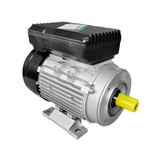
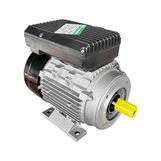
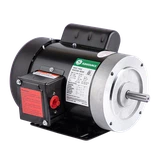
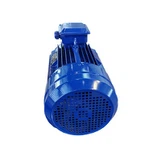
Hey there! As a supplier of NEMA AC Motors, I've seen firsthand how crucial proper ventilation is for these motors. In this blog, I'll break down the ventilation requirements for NEMA AC Motors, why they matter, and how you can ensure your motors are well - ventilated.
Why Ventilation is a Big Deal for NEMA AC Motors
Let's start with the basics. NEMA (National Electrical Manufacturers Association) sets the standards for AC motors in North America. These motors generate heat during operation. If this heat isn't dissipated properly, it can lead to all sorts of problems.
Overheating can reduce the motor's efficiency. Think of it like a person running a marathon in a thick winter coat. The extra heat makes the motor work harder, using more energy to achieve the same output. This not only drives up your electricity bill but also shortens the motor's lifespan. Heat can damage the motor's insulation, leading to electrical failures and potentially costly repairs or replacements.
Types of NEMA AC Motors and Their Ventilation Needs
There are different types of NEMA AC Motors, each with its own ventilation requirements.
Open Drip - Proof (ODP) Motors
ODP motors are pretty common. They have openings that allow air to flow through the motor to cool it. The design lets the motor expel any dripping liquids, hence the name. But because they're open, they rely on the surrounding air for ventilation.
These motors work well in clean, dry environments where there's good air circulation. If you're using an ODP motor in a dirty or humid area, you might run into issues. Dust and moisture can get inside the motor, causing corrosion and other problems.


Totally Enclosed Fan - Cooled (TEFC) Motors
TEFC motors are enclosed, which means they're protected from dust, dirt, and moisture. They have a fan on the outside that blows air over the motor's surface to cool it. This makes them suitable for harsher environments.
However, they need a bit more space around them for proper ventilation. The fan needs to draw in fresh air and expel the hot air. If you place a TEFC motor in a cramped space, the hot air won't be able to escape, and the motor will overheat.
Totally Enclosed Non - Ventilated (TENV) Motors
TENV motors are completely sealed. They don't have any external fans or openings for air circulation. Instead, they rely on the motor's surface to transfer heat to the surrounding environment.
These motors are great for applications where you need to keep contaminants out, like in food processing plants. But they're not as efficient at cooling as ODP or TEFC motors. So, they're usually used for smaller motors or in applications where the load is relatively light.
Ventilation Requirements Based on Motor Size
The size of the NEMA AC Motor also plays a role in its ventilation needs.
Small Motors (e.g., NEMA 48 Motor)
Smaller motors generally produce less heat. They can often get by with natural convection or a simple fan for cooling. For example, a NEMA 48 Motor might be used in a small appliance or a light - duty industrial application. These motors usually don't require elaborate ventilation systems.
Medium - Sized Motors
Medium - sized motors generate more heat and need better ventilation. They might need a dedicated fan or a more complex air - flow system. The ventilation system should be able to handle the increased heat load to keep the motor running at an optimal temperature.
Large Motors (e.g., NEMA 56 Motor)
Large motors, like the NEMA 56 Motor, produce a significant amount of heat. They often require forced - air ventilation systems with high - capacity fans. These systems need to be carefully designed to ensure that air is evenly distributed across the motor's surface.
Factors Affecting Ventilation
Several factors can affect the ventilation of NEMA AC Motors.
Ambient Temperature
The temperature of the surrounding air matters a lot. If it's really hot outside, the motor will have a harder time dissipating heat. In high - temperature environments, you might need to use additional cooling methods, like air - conditioning or water - cooling systems.
Altitude
At higher altitudes, the air is thinner. This means there are fewer air molecules to carry away the heat. Motors operating at high altitudes may need to be derated (operated at a lower power) to prevent overheating.
Motor Load
The amount of work the motor is doing also affects its heat generation. A motor that's running at full load will produce more heat than one running at half - load. So, if you're constantly running a motor at its maximum capacity, you'll need a more robust ventilation system.
Tips for Ensuring Proper Ventilation
Here are some tips to make sure your NEMA AC Motors are well - ventilated:
- Keep the Area Clean: Make sure the area around the motor is free of dust, dirt, and debris. This will help the air flow freely.
- Provide Adequate Space: Leave enough space around the motor for air to circulate. Don't block the air intake or exhaust vents.
- Check the Fans: If your motor has a fan, make sure it's working properly. Clean the fan regularly to prevent it from getting clogged.
- Monitor the Temperature: Use temperature sensors to keep an eye on the motor's temperature. If it starts to get too hot, you can take action before it causes any damage.
High - Efficiency NEMA Motors and Ventilation
When it comes to high - efficiency motors like the NEMA Premium 3 Phase Motor, ventilation is still crucial. These motors are designed to use less energy and produce less heat, but they still need proper cooling.
The high - efficiency design means that the motor is more sensitive to temperature changes. Even a small increase in temperature can reduce its efficiency and performance. So, make sure you follow the ventilation guidelines for these motors to get the most out of them.
Wrapping Up and Reaching Out
In conclusion, proper ventilation is essential for the performance and longevity of NEMA AC Motors. Whether you're using a small ODP motor in a clean environment or a large TEFC motor in a harsh industrial setting, understanding and meeting the ventilation requirements is key.
If you're in the market for NEMA AC Motors or need more information about their ventilation needs, don't hesitate to reach out. We're here to help you find the right motor for your application and ensure it runs smoothly for years to come. Let's start a conversation about your motor requirements and how we can provide the best solutions for you.
References
- National Electrical Manufacturers Association (NEMA) Standards Publications
- Electrical Engineering textbooks on motor design and operation
- Manufacturer's documentation for NEMA AC Motors