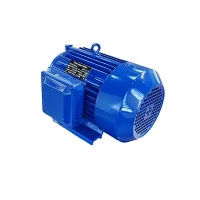
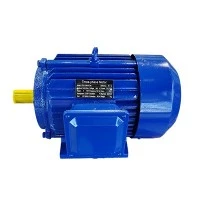
Hey there! As a supplier of AC induction motors, I've seen firsthand how various factors can impact the lifespan of these motors. In this blog, I'll break down the key elements that play a role in determining how long an AC induction motor will last. Let's dive in!
1. Quality of Manufacturing
The quality of the manufacturing process is a fundamental factor that affects the lifespan of an AC induction motor. When a motor is well - made, it starts with high - quality materials. For example, the stator windings should be made of pure copper or aluminum with the right gauge. High - purity copper has better conductivity and less resistance, which means less heat generation during operation.
A good manufacturing process also ensures proper insulation. The insulation around the windings protects them from electrical short - circuits and environmental factors. Motors that are manufactured with precision, where the parts fit together perfectly, are less likely to have mechanical vibrations. These vibrations can cause wear and tear on the motor's components over time.
As a supplier, we take great pride in the quality of our manufacturing. We source the best materials and use state - of - the - art production techniques to ensure that our 120V AC Motor and One Phase AC Motor meet the highest standards.
2. Operating Conditions
Temperature
Temperature is a major culprit when it comes to reducing the lifespan of an AC induction motor. Motors generate heat during operation, and if the ambient temperature is too high, it can accelerate the aging of the motor's insulation. The insulation materials have a maximum temperature rating, and when this rating is exceeded, the insulation can start to break down.
For example, if a motor is installed in a hot factory environment without proper ventilation, the heat will build up inside the motor. This can lead to increased resistance in the windings, which in turn generates more heat. Over time, this cycle can cause the insulation to crack, leading to short - circuits and motor failure.
Humidity
Humidity can also have a negative impact on the motor. Moisture can seep into the motor's components, causing corrosion of the metal parts. The bearings, in particular, are vulnerable to corrosion. Once the bearings are corroded, they can't rotate smoothly, which increases friction and wear. This can lead to premature bearing failure and ultimately, motor breakdown.


Dust and Dirt
Dust and dirt can accumulate on the motor's surface and inside its components. This can block the ventilation openings, reducing the motor's ability to dissipate heat. In some cases, dust can also get into the windings, causing electrical problems. For instance, if conductive dust particles settle on the windings, they can create a path for electrical current to flow where it shouldn't, leading to short - circuits.
3. Electrical Supply
Voltage Variations
An AC induction motor is designed to operate within a specific voltage range. If the supply voltage is too high, it can cause excessive current to flow through the windings. This increased current generates more heat, which can damage the insulation. On the other hand, if the voltage is too low, the motor may not be able to develop enough torque to operate properly. It may start to draw more current in an attempt to maintain its speed, which again leads to overheating.
Frequency Variations
The frequency of the electrical supply also matters. AC induction motors are designed to operate at a specific frequency, usually 50Hz or 60Hz. If the frequency deviates from the rated value, it can affect the motor's performance and lifespan. For example, if the frequency is too high, the motor may run at a higher speed than intended, which can put extra stress on the mechanical components.
As a supplier, we offer Motor For AC that are designed to be more tolerant of slight electrical variations, but it's still important to maintain a stable supply for optimal performance.
4. Load and Usage
Overloading
One of the quickest ways to shorten the lifespan of an AC induction motor is to overload it. When a motor is overloaded, it has to work harder to drive the load. This results in increased current draw, which generates more heat. Over time, the excessive heat can damage the insulation and other components.
For example, if a motor is rated to drive a certain amount of mechanical load, but it's forced to drive a much heavier load, the motor will struggle. The windings may overheat, and the bearings may experience excessive stress, leading to premature failure.
Duty Cycle
The duty cycle of the motor also affects its lifespan. Some motors are designed for continuous operation, while others are suitable for intermittent use. If a motor that's designed for intermittent use is run continuously, it may overheat and fail. On the other hand, a motor designed for continuous operation can handle long - term use without significant issues.
5. Maintenance
Lubrication
Proper lubrication of the motor's bearings is crucial. Bearings need lubrication to reduce friction and wear. Over time, the lubricant can break down or become contaminated. If the bearings aren't lubricated regularly, they can start to wear out quickly. This can lead to increased noise, vibration, and ultimately, bearing failure.
Cleaning
Regular cleaning of the motor is also important. As mentioned earlier, dust and dirt can accumulate on the motor, affecting its performance. Cleaning the motor's exterior and ensuring that the ventilation openings are clear can help to maintain proper cooling.
Inspection
Periodic inspections can catch potential problems early. Inspecting the motor for signs of wear, loose connections, and abnormal vibrations can help to prevent major breakdowns. For example, if a loose connection is detected early, it can be tightened before it causes an electrical problem.
Conclusion
So, there you have it! The lifespan of an AC induction motor is affected by a variety of factors, including manufacturing quality, operating conditions, electrical supply, load and usage, and maintenance. As a supplier, we're committed to providing high - quality motors that are built to last. But it's also important for our customers to take proper care of the motors to ensure optimal performance and a long lifespan.
If you're in the market for an AC induction motor, or if you have any questions about how to extend the lifespan of your existing motor, don't hesitate to reach out. We're here to help you make the right choice and keep your motors running smoothly. Contact us to start a procurement discussion and find the perfect motor for your needs.
References
- Chapman, S. J. (2012). Electric Machinery Fundamentals. McGraw - Hill Education.
- Fitzgerald, A. E., Kingsley, C., & Umans, S. D. (2003). Electric Machinery. McGraw - Hill.