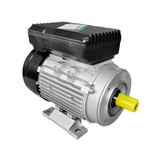
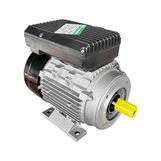
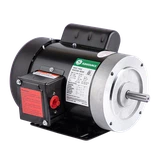
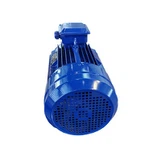
As a leading supplier of AC forklift motors, I've often been asked about the cooling methods of these essential components. Understanding how an AC forklift motor stays cool is crucial for its performance, longevity, and overall efficiency. In this blog post, I'll delve into the various cooling methods employed in AC forklift motors, shedding light on their significance and how they contribute to the smooth operation of these powerful machines.
Why Cooling is Essential for AC Forklift Motors
Before we explore the cooling methods, let's first understand why cooling is so important for AC forklift motors. When an electric motor operates, it converts electrical energy into mechanical energy. However, this process is not 100% efficient, and some of the electrical energy is lost as heat. If this heat is not dissipated effectively, it can cause the motor to overheat, leading to a range of problems, including reduced performance, increased wear and tear, and even permanent damage.
Overheating can also pose safety risks, as it can cause insulation breakdown, which may lead to electrical shorts and fires. Therefore, proper cooling is essential to maintain the motor's temperature within a safe operating range, ensuring its reliability and longevity.


Common Cooling Methods for AC Forklift Motors
There are several cooling methods used in AC forklift motors, each with its own advantages and disadvantages. Let's take a closer look at some of the most common ones:
1. Natural Convection Cooling
Natural convection cooling is the simplest and most basic cooling method. It relies on the natural movement of air to carry away the heat generated by the motor. As the motor heats up, the air around it expands and rises, creating a natural airflow that helps to dissipate the heat.
This method is suitable for small and low-power motors that generate relatively little heat. However, it has limitations, as it is not very effective in removing large amounts of heat. In addition, natural convection cooling is highly dependent on the surrounding environment, and its performance can be affected by factors such as temperature, humidity, and air circulation.
2. Forced Air Cooling
Forced air cooling is a more efficient cooling method that uses a fan to blow air over the motor's surface, increasing the rate of heat transfer. The fan can be either internal or external to the motor.
Internal fans are typically mounted on the motor's shaft and rotate with it. They draw air into the motor through ventilation openings and expel it through other openings, creating a continuous airflow that helps to cool the motor. External fans, on the other hand, are located outside the motor and blow air directly onto the motor's surface.
Forced air cooling is more effective than natural convection cooling, as it can remove a larger amount of heat in a shorter period of time. It is also less affected by the surrounding environment, making it suitable for motors that operate in harsh conditions. However, forced air cooling requires additional power to drive the fan, which can increase the motor's energy consumption.
3. Liquid Cooling
Liquid cooling is a more advanced cooling method that uses a liquid coolant, such as water or a special coolant fluid, to absorb and transfer the heat generated by the motor. The coolant is circulated through a system of pipes or channels within the motor, absorbing the heat and carrying it away to a radiator or heat exchanger, where it is dissipated into the surrounding air.
Liquid cooling is the most efficient cooling method, as it can remove a large amount of heat quickly and effectively. It is also less affected by the surrounding environment, making it suitable for high-power motors that generate a lot of heat. However, liquid cooling systems are more complex and expensive than air cooling systems, and they require regular maintenance to ensure proper operation.
4. Hybrid Cooling
Hybrid cooling is a combination of two or more cooling methods, such as forced air cooling and liquid cooling. This approach combines the advantages of different cooling methods to achieve optimal cooling performance.
For example, a motor may use forced air cooling to remove the majority of the heat, while a liquid cooling system is used to cool the critical components that generate the most heat, such as the stator windings. Hybrid cooling systems can provide a high level of cooling efficiency while minimizing the cost and complexity of the cooling system.
Factors Affecting Cooling Performance
The cooling performance of an AC forklift motor is affected by several factors, including:
1. Motor Design
The design of the motor plays a crucial role in its cooling performance. Motors with a larger surface area and better ventilation are more efficient at dissipating heat. In addition, the materials used in the motor's construction can also affect its thermal conductivity, which in turn affects the rate of heat transfer.
2. Operating Conditions
The operating conditions of the motor, such as load, speed, and ambient temperature, can also have a significant impact on its cooling performance. Motors that operate at high loads and speeds generate more heat and require more effective cooling methods. In addition, high ambient temperatures can reduce the effectiveness of the cooling system, as the air or coolant used for cooling is already warm.
3. Cooling System Design
The design of the cooling system is also important for its performance. Factors such as the size and capacity of the fan or pump, the layout of the cooling channels, and the type of coolant used can all affect the cooling efficiency of the system.
Choosing the Right Cooling Method for Your AC Forklift Motor
When choosing a cooling method for your AC forklift motor, it's important to consider several factors, including the motor's power rating, operating conditions, and budget. Here are some tips to help you make the right decision:
- Assess the heat load: Determine the amount of heat generated by the motor under normal operating conditions. This will help you choose a cooling method that is capable of removing the heat effectively.
- Consider the operating environment: Take into account the temperature, humidity, and air circulation in the environment where the motor will be operating. This will help you choose a cooling method that is suitable for the specific conditions.
- Evaluate the cost and complexity: Consider the cost and complexity of the cooling system, including the initial purchase price, installation costs, and maintenance requirements. Choose a cooling method that provides the best balance between performance and cost.
Conclusion
In conclusion, the cooling method of an AC forklift motor is a critical factor that affects its performance, reliability, and longevity. By understanding the different cooling methods available and choosing the right one for your motor, you can ensure that it operates efficiently and safely for many years to come.
As a supplier of Industrial AC Motor, 3 Phase AC Induction Motor, and 3 Phase AC Electric Motor, we offer a wide range of high-quality motors with advanced cooling systems to meet the diverse needs of our customers. If you have any questions or need assistance in choosing the right motor for your application, please don't hesitate to contact us. We look forward to working with you to provide the best solutions for your forklift motor needs.
References
- "Electric Motor Cooling Methods," Electrical Engineering Portal.
- "Cooling of Electric Motors," IEEE Transactions on Industry Applications.
- "Handbook of Electric Motors," McGraw-Hill.