In the realm of electrical engineering, AC capacitor motors are widely used in various applications due to their efficiency and reliability. As a supplier of AC capacitor motors, I often encounter questions about the role of capacitors in these motors. This blog post aims to delve into the function of the capacitor in an AC capacitor motor, shedding light on its importance and how it contributes to the motor's performance.
Understanding the Basics of an AC Capacitor Motor
Before we explore the function of the capacitor, let's first understand what an AC capacitor motor is. An AC capacitor motor is a type of single - phase induction motor. Single - phase AC motors are commonly used in household appliances, small industrial equipment, and other applications where a relatively small amount of power is required. Unlike three - phase motors, single - phase motors do not have a naturally rotating magnetic field, which is essential for the motor to start and run efficiently.
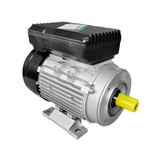
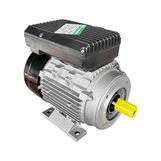
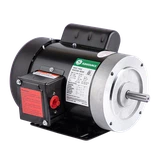
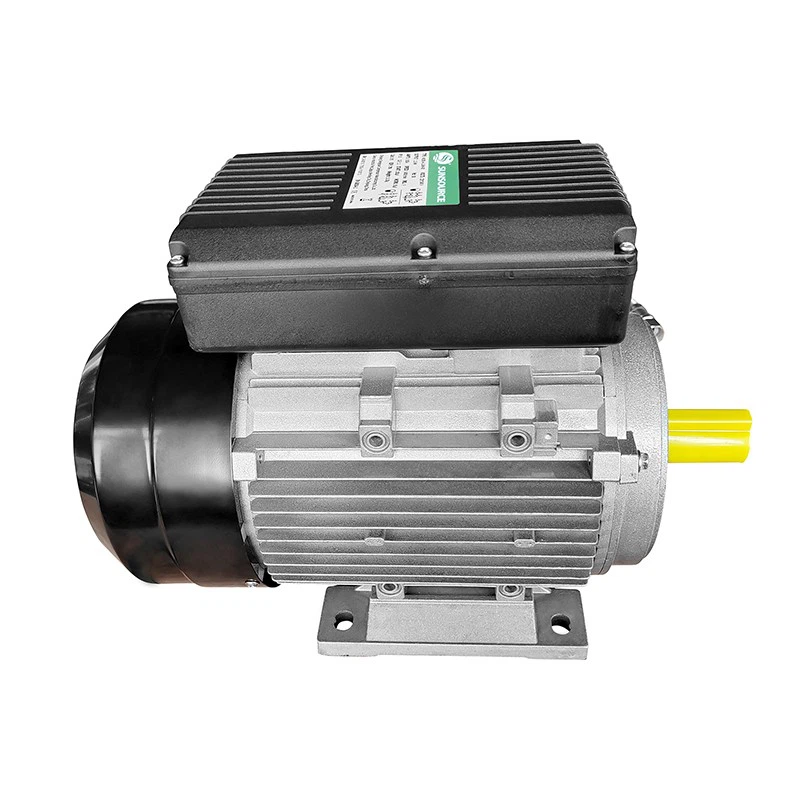
There are several types of single - phase AC motors, including the Single AC Motor, 1 Phase AC Motor, and AC Induction Motor Single Phase. These motors typically use a capacitor to create a phase shift in the current, which helps to generate a rotating magnetic field.
The Function of the Capacitor in Starting the Motor
One of the primary functions of the capacitor in an AC capacitor motor is to assist in starting the motor. In a single - phase AC motor, the main winding produces a magnetic field that alternates in direction but does not rotate. Without a rotating magnetic field, the motor would not be able to start on its own.
The capacitor is connected in series with an auxiliary winding. The capacitor causes a phase shift in the current flowing through the auxiliary winding. This phase - shifted current creates a magnetic field that is out of phase with the magnetic field produced by the main winding. The interaction between these two magnetic fields results in a rotating magnetic field, which provides the necessary torque to start the motor.
For example, in a capacitor - start motor, the capacitor is designed to provide a large phase shift (usually around 90 degrees) at startup. This large phase shift creates a strong rotating magnetic field, which allows the motor to develop high starting torque. Once the motor reaches a certain speed (usually about 75 - 80% of its rated speed), a centrifugal switch disconnects the capacitor and the auxiliary winding from the circuit.
The Function of the Capacitor in Running the Motor
In addition to starting the motor, the capacitor also plays a crucial role in the motor's running performance. In a capacitor - run motor, the capacitor remains connected to the auxiliary winding during the entire operation of the motor.
The capacitor helps to improve the power factor of the motor. The power factor is a measure of how effectively the motor converts electrical power into mechanical power. A low power factor means that the motor is drawing more current from the power supply than is necessary to do the same amount of work, resulting in increased energy consumption and higher electricity bills.
By creating a phase shift in the current, the capacitor helps to align the current and voltage waveforms, thereby increasing the power factor. This not only reduces energy consumption but also improves the motor's efficiency and reduces the stress on the electrical system.
Moreover, the capacitor in a capacitor - run motor helps to improve the motor's torque characteristics. It provides a more constant and smooth torque output, which is especially important for applications where the motor needs to operate at a constant speed or under varying loads.
Types of Capacitors Used in AC Capacitor Motors
There are two main types of capacitors used in AC capacitor motors: electrolytic capacitors and non - electrolytic (usually paper or film) capacitors.
Electrolytic capacitors are typically used in capacitor - start motors. They have a high capacitance value, which allows them to provide a large phase shift at startup. However, electrolytic capacitors are polarized and have a relatively short lifespan. They are also sensitive to temperature and can dry out over time, which may lead to a decrease in performance.
Non - electrolytic capacitors are used in capacitor - run motors. They have a lower capacitance value compared to electrolytic capacitors but are more reliable and have a longer lifespan. Non - electrolytic capacitors are non - polarized and can withstand a wide range of temperatures, making them suitable for continuous operation.
Factors Affecting Capacitor Performance
Several factors can affect the performance of the capacitor in an AC capacitor motor. Temperature is one of the most important factors. High temperatures can cause the dielectric material in the capacitor to break down, reducing its capacitance and increasing its equivalent series resistance. This can lead to a decrease in the motor's starting torque and efficiency.
Voltage is another critical factor. If the voltage across the capacitor exceeds its rated voltage, it can cause the capacitor to fail. Overvoltage can also lead to arcing and short - circuits, which can damage the motor and other components in the electrical system.
In addition, the quality of the capacitor itself can have a significant impact on its performance. Low - quality capacitors may have a higher tolerance, which means that their actual capacitance value may deviate from the rated value. This can affect the motor's starting and running performance.

Maintenance and Troubleshooting of Capacitors in AC Capacitor Motors
Proper maintenance of the capacitor is essential to ensure the reliable operation of the AC capacitor motor. Regular inspection of the capacitor for signs of damage, such as bulging, leaking, or discoloration, is recommended. If any of these signs are detected, the capacitor should be replaced immediately.
When troubleshooting a motor that is not starting or running properly, the capacitor is often one of the first components to check. A faulty capacitor can cause the motor to have a low starting torque, run at a reduced speed, or not start at all. To test the capacitor, a capacitance meter can be used to measure its capacitance value. If the measured value is significantly different from the rated value, the capacitor should be replaced.
Conclusion
In conclusion, the capacitor is a vital component in an AC capacitor motor. It plays a crucial role in both starting the motor and improving its running performance. By creating a phase shift in the current, the capacitor helps to generate a rotating magnetic field at startup and improve the power factor and torque characteristics during operation.
As a supplier of AC capacitor motors, we understand the importance of using high - quality capacitors to ensure the reliability and efficiency of our motors. We offer a wide range of AC capacitor motors, including Single AC Motor, 1 Phase AC Motor, and AC Induction Motor Single Phase, which are designed to meet the diverse needs of our customers.
If you are interested in purchasing AC capacitor motors or have any questions about the function of capacitors in these motors, please feel free to contact us. We are always ready to provide you with professional advice and high - quality products.
References
- Fitzgerald, A. E., Kingsley, C., & Umans, S. D. (2003). Electric Machinery. McGraw - Hill.
- Chapman, S. J. (2012). Electric Machinery Fundamentals. McGraw - Hill.
- Del Toro, V. (1985). Electric Machines and Power Systems. Prentice - Hall.