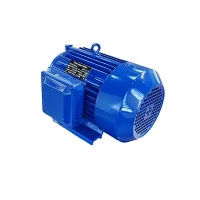
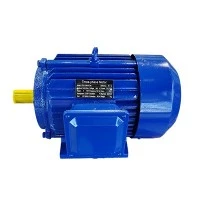
As a supplier of AC forklift motors, I've witnessed firsthand the critical role these motors play in the smooth operation of forklifts. One often overlooked factor that can significantly impact the performance and lifespan of an AC forklift motor is dust. In this blog, I'll explore the various ways dust can affect an AC forklift motor and why it's essential for operators and maintenance teams to take proactive measures to mitigate these effects.
Understanding the Basics of an AC Forklift Motor
Before delving into the impact of dust, let's briefly review how an AC forklift motor works. An AC forklift motor, also known as an Alternating Current AC Motor, converts electrical energy into mechanical energy to power the forklift's movement. These motors are typically three-phase, which means they use three alternating currents to create a rotating magnetic field that drives the motor's shaft.
The efficiency and reliability of an AC forklift motor depend on several factors, including the quality of the motor's components, the operating environment, and the maintenance practices employed. Dust, in particular, can pose a significant threat to the motor's performance and longevity.
The Impact of Dust on an AC Forklift Motor
1. Reduced Cooling Efficiency
One of the primary functions of an AC forklift motor is to generate mechanical power, which inevitably produces heat. To prevent overheating, the motor relies on a cooling system, typically consisting of a fan and ventilation channels, to dissipate the heat. However, when dust accumulates on the motor's exterior and inside the ventilation channels, it acts as an insulator, reducing the cooling efficiency.
As the motor's temperature rises, the electrical resistance of the windings increases, which can lead to a decrease in motor efficiency and an increase in power consumption. Prolonged overheating can also cause the insulation on the windings to degrade, increasing the risk of short circuits and motor failure.
2. Increased Wear and Tear
Dust particles are abrasive by nature, and when they enter the motor's internal components, they can cause significant wear and tear. The bearings, which support the motor's shaft and allow it to rotate smoothly, are particularly vulnerable to dust damage. As dust particles accumulate on the bearings, they can cause increased friction and heat, leading to premature bearing failure.
In addition to the bearings, the brushes and commutator in a brushed AC motor can also be affected by dust. Dust can cause the brushes to wear unevenly, leading to poor electrical contact and reduced motor performance. Over time, this can result in increased sparking, which can further damage the commutator and other components.
3. Electrical Short Circuits
Dust can also pose a risk of electrical short circuits in an AC forklift motor. When dust accumulates on the motor's electrical connections and terminals, it can create a conductive path for electricity, increasing the risk of short circuits. Short circuits can cause a sudden surge in current, which can damage the motor's windings, fuses, and other electrical components.
In addition to short circuits, dust can also cause corrosion on the electrical connections, which can further degrade the electrical performance of the motor. Corrosion can increase the resistance of the connections, leading to voltage drops and reduced motor efficiency.
4. Contamination of Lubricants
Many AC forklift motors use lubricants to reduce friction and wear on the moving parts. However, dust can contaminate these lubricants, reducing their effectiveness and increasing the risk of component failure. When dust particles mix with the lubricant, they can form abrasive sludge, which can cause increased wear on the bearings, gears, and other moving parts.
Contaminated lubricants can also lose their ability to dissipate heat, which can further contribute to overheating and motor damage. Regular lubricant changes and proper filtration are essential to prevent dust contamination and ensure the long-term reliability of the motor.
Preventive Measures to Mitigate the Impact of Dust
1. Regular Cleaning and Maintenance
One of the most effective ways to prevent dust from affecting an AC forklift motor is to perform regular cleaning and maintenance. This includes cleaning the motor's exterior, ventilation channels, and electrical connections to remove any accumulated dust. It's also important to inspect the motor for signs of wear and damage and replace any worn or damaged components as needed.


In addition to regular cleaning, it's also recommended to perform a more thorough maintenance check at least once a year. This may include disassembling the motor, cleaning the internal components, and inspecting the bearings, brushes, and commutator for signs of wear.
2. Use of Dust Filters
Installing dust filters on the motor's ventilation system can help prevent dust from entering the motor. These filters are designed to trap dust particles before they can reach the motor's internal components, reducing the risk of damage. It's important to choose high-quality filters that are compatible with the motor's specifications and to replace them regularly to ensure optimal performance.
3. Proper Storage and Handling
When not in use, AC forklift motors should be stored in a clean, dry environment to prevent dust accumulation. It's also important to handle the motors with care to avoid damaging the components or allowing dust to enter the motor. When transporting the motors, they should be properly packaged and protected to prevent dust and other contaminants from entering.
4. Upgrade to a Waterproof AC Motor
In environments where dust and moisture are common, upgrading to a waterproof AC motor can provide additional protection against dust and other contaminants. Waterproof motors are designed with sealed enclosures and special coatings to prevent dust and water from entering the motor, reducing the risk of damage and extending the motor's lifespan.
Conclusion
In conclusion, dust can have a significant impact on the performance and lifespan of an AC forklift motor. By understanding the various ways dust can affect the motor and taking proactive measures to prevent dust accumulation, operators and maintenance teams can ensure the long-term reliability and efficiency of their forklift motors.
As a supplier of 3 Phase AC Electric Motor, I'm committed to providing high-quality motors that are designed to withstand the challenges of harsh operating environments. If you're in the market for a new AC forklift motor or need assistance with motor maintenance and repair, I encourage you to contact me to discuss your specific needs. Together, we can find the best solution to keep your forklifts running smoothly and efficiently.
References
- "Electric Motor Handbook" by T. J. E. Miller
- "Forklift Maintenance Guide" by the Industrial Truck Association
- "Dust and Particle Control in Industrial Environments" by the American Conference of Governmental Industrial Hygienists