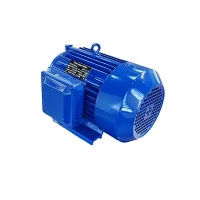
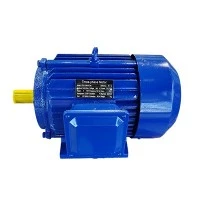
As a dedicated supplier of NEMA 56C motors, I often encounter inquiries regarding the insulation class of these motors. Understanding the insulation class is crucial as it directly impacts the motor's performance, durability, and safety. In this blog post, I'll delve into the concept of insulation class in NEMA 56C motors, exploring its significance, different classes, and how it affects motor operation.
What is Insulation Class?
Insulation in an electric motor serves as a barrier between the electrical conductors and the motor's frame, preventing electrical current from leaking and ensuring the motor operates safely and efficiently. The insulation class of a motor refers to the maximum temperature that the insulation material can withstand continuously without significant degradation. This temperature rating is a critical factor in determining the motor's lifespan and performance.


Importance of Insulation Class in NEMA 56C Motors
NEMA (National Electrical Manufacturers Association) standards play a vital role in defining the specifications and performance requirements for electrical equipment in North America. The NEMA 56C motor is a popular choice for various industrial and commercial applications due to its compact size, high efficiency, and reliable performance. The insulation class of a NEMA 56C motor is particularly important because it affects the motor's ability to handle heat generated during operation.
Excessive heat can cause the insulation material to break down over time, leading to short circuits, electrical failures, and even motor burnout. By selecting a motor with an appropriate insulation class, you can ensure that the motor operates within its safe temperature limits, reducing the risk of premature failure and extending its service life.
Common Insulation Classes for NEMA 56C Motors
There are several insulation classes defined by NEMA and other international standards organizations, each with its own temperature rating and performance characteristics. The most common insulation classes for NEMA 56C motors are Class B, Class F, and Class H.
- Class B Insulation: This insulation class has a maximum temperature rating of 130°C (266°F). Class B insulation is commonly used in general-purpose motors where the operating environment is relatively mild and the motor is not subjected to excessive heat or stress. It offers a good balance between cost and performance, making it a popular choice for many applications.
- Class F Insulation: With a maximum temperature rating of 155°C (311°F), Class F insulation provides a higher level of thermal protection compared to Class B insulation. It is suitable for motors that operate in more demanding environments, such as high-temperature applications or those with frequent starts and stops. Class F insulation can withstand higher temperatures without significant degradation, resulting in longer motor life and improved reliability.
- Class H Insulation: Class H insulation has the highest temperature rating of the three, with a maximum operating temperature of 180°C (356°F). This insulation class is typically used in motors that are exposed to extreme heat or operate under heavy loads for extended periods. Class H insulation offers superior thermal performance and is often used in applications where reliability and durability are of utmost importance.
Factors Affecting Insulation Class Selection
When selecting the insulation class for a NEMA 56C motor, several factors should be considered to ensure that the motor meets the specific requirements of your application. These factors include:
- Operating Environment: The temperature, humidity, and presence of contaminants in the operating environment can all affect the motor's insulation performance. Motors operating in high-temperature or dusty environments may require a higher insulation class to ensure reliable operation.
- Load Requirements: The type and magnitude of the load that the motor will be driving also play a role in insulation class selection. Motors that are subjected to heavy loads or frequent starts and stops generate more heat and may require a higher insulation class to handle the additional stress.
- Duty Cycle: The duty cycle of the motor, which refers to the ratio of operating time to rest time, can impact the motor's temperature rise. Motors with a continuous duty cycle or a high duty cycle may require a higher insulation class to prevent overheating.
- Safety Requirements: In some applications, such as those in hazardous environments or where human safety is a concern, a higher insulation class may be required to meet safety standards and regulations.
Benefits of Using a Higher Insulation Class
While motors with a higher insulation class may be more expensive upfront, they offer several benefits that can outweigh the additional cost in the long run. These benefits include:
- Extended Motor Life: By operating at lower temperatures, motors with a higher insulation class experience less thermal stress, which can significantly extend their service life. This reduces the need for frequent motor replacements and maintenance, resulting in lower overall operating costs.
- Improved Reliability: Motors with a higher insulation class are more resistant to heat-related failures, such as short circuits and insulation breakdown. This improves the reliability of the motor and reduces the risk of unexpected downtime, which can be costly for industrial and commercial operations.
- Increased Efficiency: When a motor operates at lower temperatures, it can run more efficiently, consuming less energy and reducing operating costs. This is especially important for applications that require continuous motor operation or high power consumption.
- Enhanced Safety: A higher insulation class provides an additional layer of protection against electrical hazards, reducing the risk of electrical shock and fire. This is particularly important in applications where human safety is a concern.
Conclusion
In conclusion, the insulation class of a NEMA 56C motor is a critical factor that affects its performance, durability, and safety. By understanding the different insulation classes available and selecting the appropriate class for your application, you can ensure that your motor operates within its safe temperature limits, extends its service life, and provides reliable performance.
As a supplier of NEMA Rated Motor, NEMA 56 Motor, and NEMA Premium Efficient Motor, I am committed to providing high-quality motors that meet the specific needs of my customers. If you have any questions about the insulation class of a NEMA 56C motor or need assistance in selecting the right motor for your application, please don't hesitate to contact me. I'd be happy to help you make an informed decision and ensure that you get the best motor for your needs.
References
- National Electrical Manufacturers Association (NEMA) Standards Publication MG 1 - Motors and Generators.
- International Electrotechnical Commission (IEC) Standards for Electrical Insulation Systems.