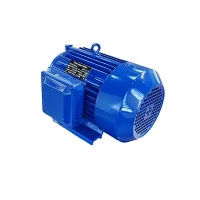
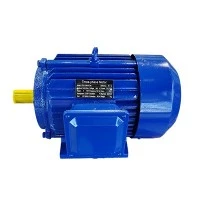
Hey there! As a supplier of NEMA rated motors, I often get asked about the power factor of these motors. So, I thought I'd write a blog post to explain what it is and why it matters.
Let's start with the basics. Power factor is a measure of how effectively an electrical device, like a motor, uses the electrical power it's supplied with. It's a ratio that compares the real power (the power that actually does useful work) to the apparent power (the total power supplied to the device). The power factor is expressed as a number between 0 and 1, or as a percentage. A power factor of 1 (or 100%) means that the motor is using all the electrical power it receives to do useful work, with no wasted power. On the other hand, a lower power factor means that some of the electrical power is being wasted, usually in the form of heat.
Now, you might be wondering why the power factor of a motor is so important. Well, there are a few reasons. First of all, a low power factor can lead to higher energy costs. When a motor has a low power factor, it draws more current from the electrical supply than it would if it had a high power factor. This increased current can cause higher losses in the electrical distribution system, which means that more energy is wasted. As a result, the utility company may charge you a higher rate for your electricity usage.
Secondly, a low power factor can also cause problems with the electrical system itself. The increased current drawn by a motor with a low power factor can cause voltage drops in the electrical distribution system, which can affect the performance of other electrical devices connected to the same system. In some cases, it can even cause damage to the electrical equipment.
So, what affects the power factor of a NEMA rated motor? There are several factors that can influence the power factor of a motor, including the motor's design, its load, and the type of electrical supply it's connected to.
The design of the motor plays a significant role in determining its power factor. Motors with a high power factor are typically designed with a low resistance and a high inductance. This design helps to reduce the amount of reactive power (the power that doesn't do useful work) in the motor, which in turn improves the power factor.
The load on the motor also affects its power factor. When a motor is operating at full load, it typically has a higher power factor than when it's operating at a partial load. This is because the motor is more efficient when it's operating at its rated capacity. As the load on the motor decreases, the power factor also decreases.
The type of electrical supply the motor is connected to can also have an impact on its power factor. Motors that are connected to a three-phase electrical supply generally have a higher power factor than motors that are connected to a single-phase supply. This is because three-phase power is more efficient and can deliver more power with less current.
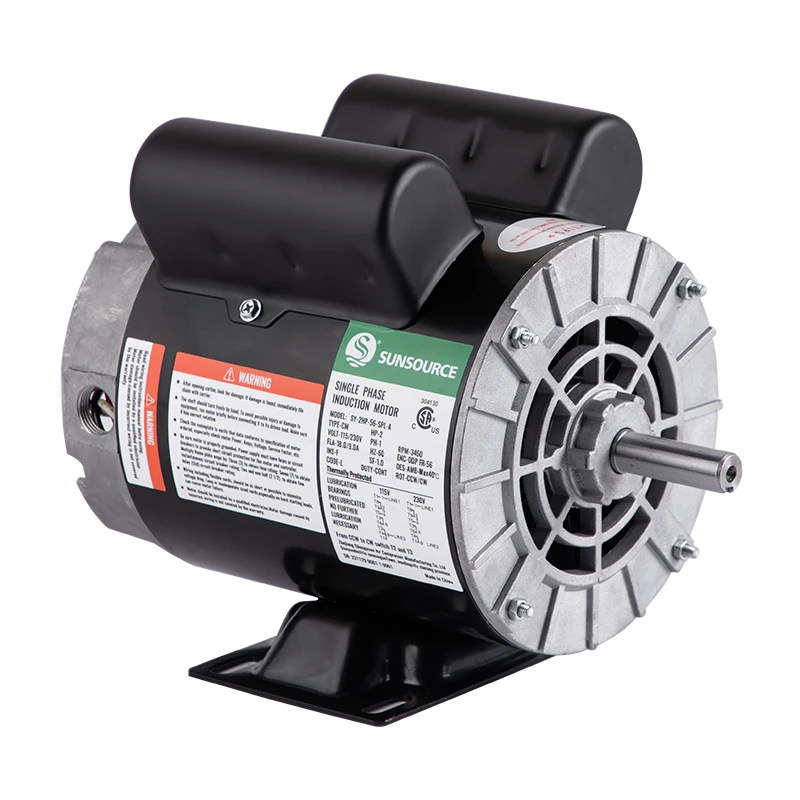

As a supplier of NEMA rated motors, we offer a wide range of motors with different power factors to meet the needs of our customers. For example, our NEMA 56C Motor is designed to provide a high power factor and efficient operation. This motor is suitable for a variety of applications, including pumps, fans, and conveyors.
We also offer NEMA Premium Efficient Motor s, which are designed to meet the highest efficiency standards. These motors have a high power factor and can help you save energy and reduce your operating costs.
If you're in the market for a NEMA Electric Motor, it's important to consider the power factor of the motor. A motor with a high power factor can help you save money on your energy bills and improve the performance of your electrical system.
When choosing a NEMA rated motor, it's also a good idea to consult with an expert. Our team of experienced engineers can help you select the right motor for your application based on your specific requirements. We can also provide you with information on how to improve the power factor of your motor and reduce your energy costs.
In conclusion, the power factor of a NEMA rated motor is an important factor to consider when choosing a motor. A high power factor can help you save energy, reduce your operating costs, and improve the performance of your electrical system. As a supplier of NEMA rated motors, we're committed to providing our customers with high-quality motors that offer a high power factor and efficient operation.
If you're interested in learning more about our NEMA rated motors or have any questions about power factor, please don't hesitate to contact us. We'd be happy to help you find the right motor for your needs and answer any questions you may have. Let's work together to find the best solution for your motor requirements and start saving on energy costs today!
References:
- Electrical Engineering textbooks on motor theory and power systems.
- Industry standards and guidelines related to NEMA motors.