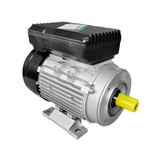
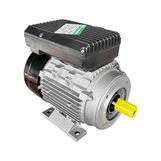
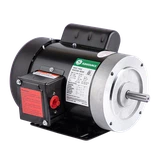
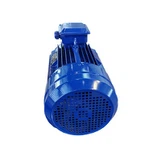
The operating temperature range of an AC Ki Motor is a crucial factor that significantly impacts its performance, efficiency, and lifespan. As a trusted AC Ki Motor supplier, we understand the importance of this parameter and are committed to providing high - quality motors that operate optimally within specific temperature limits.
Understanding the Basics of Motor Temperature
Before delving into the operating temperature range of AC Ki Motors, it's essential to understand the basic concepts related to motor temperature. When an AC motor operates, electrical energy is converted into mechanical energy. During this conversion process, a certain amount of energy is lost in the form of heat due to various factors such as electrical resistance in the windings, magnetic losses in the core, and friction in the bearings.
The temperature rise of a motor is the difference between its operating temperature and the ambient temperature. Ambient temperature refers to the temperature of the surrounding environment where the motor is installed. Different applications and environments have different ambient temperatures, which can range from extremely cold in some industrial freezers to very hot in foundries or near furnaces.
Typical Operating Temperature Range of AC Ki Motors
The operating temperature range of an AC Ki Motor generally depends on several factors, including the motor's design, insulation class, and application. Most standard AC Ki Motors are designed to operate within an ambient temperature range of - 20°C to 40°C. However, this is just a general guideline, and some motors can be customized to operate in more extreme conditions.
The insulation class of a motor plays a vital role in determining its temperature tolerance. Insulation materials are used to separate the electrical conductors in the motor windings. Different insulation classes have different maximum allowable temperature rises. For example, Class B insulation has a maximum allowable temperature rise of 80°C above the ambient temperature, while Class F insulation can tolerate a temperature rise of 105°C.
Let's take a closer look at how these temperature ranges affect the motor's performance. When the motor operates within its specified temperature range, it can achieve its rated efficiency and power output. The electrical and mechanical components of the motor work in harmony, and the risk of premature failure is minimized.
However, if the motor operates at temperatures above its recommended range, several problems can occur. The insulation materials may degrade more rapidly, reducing their effectiveness in preventing electrical shorts. This can lead to a decrease in the motor's insulation resistance and an increased risk of electrical breakdown. Additionally, high temperatures can cause the lubricants in the bearings to break down, leading to increased friction and wear, which can ultimately result in bearing failure.
On the other hand, operating the motor at temperatures below the recommended range can also pose challenges. Cold temperatures can cause the lubricants to thicken, increasing the starting torque required for the motor. This can put additional stress on the motor's components during startup and may lead to reduced efficiency and increased wear over time.
Factors Affecting the Operating Temperature Range
- Load Conditions: The load on the motor has a direct impact on its operating temperature. A motor operating at full load will generate more heat than one operating at a partial load. Continuous operation at high loads can cause the motor temperature to rise significantly, especially if the cooling system is not sufficient.
- Cooling Methods: The cooling method employed by the motor is another important factor. There are several types of cooling methods, including natural convection, forced air cooling, and liquid cooling. Natural convection cooling relies on the natural movement of air around the motor to dissipate heat. Forced air cooling uses fans to blow air over the motor, increasing the heat transfer rate. Liquid cooling, which is often used in high - power motors, circulates a coolant around the motor to remove heat more efficiently.
- Environmental Conditions: The environment in which the motor is installed can also affect its operating temperature. Factors such as humidity, dust, and corrosive gases can impact the motor's cooling efficiency and the integrity of its components. For example, high humidity can cause condensation on the motor's windings, which can lead to electrical problems. Dust and debris can accumulate on the motor's cooling fins, reducing their ability to dissipate heat.
Applications and Temperature Requirements
Different applications have different temperature requirements for AC Ki Motors. For example, in the food and beverage industry, motors are often required to operate in cold storage facilities where the ambient temperature can be as low as - 20°C. In these applications, motors need to be designed with appropriate insulation and lubricants to ensure reliable operation at low temperatures.
In the industrial manufacturing sector, motors are used in a wide range of applications, from conveyor belts to machine tools. These motors may be exposed to high temperatures, especially in foundries and steel mills. In such environments, motors with high - temperature insulation classes and efficient cooling systems are essential.
If you are looking for a motor suitable for specific temperature conditions, we offer a variety of options. Our Waterproof AC Motor is designed to operate in wet and humid environments, while our 3 Phase 110V Motor is a versatile option for many industrial applications. For heavy - duty industrial use, our Industrial AC Motor provides reliable performance in harsh conditions.
Importance of Monitoring Motor Temperature
Monitoring the operating temperature of an AC Ki Motor is crucial for ensuring its long - term reliability and performance. By regularly checking the motor's temperature, you can detect potential problems early and take appropriate measures to prevent costly breakdowns.
There are several ways to monitor motor temperature. One common method is to use temperature sensors installed on the motor windings or bearings. These sensors can provide real - time temperature data, which can be monitored remotely or locally. Another method is to use infrared thermometers to measure the surface temperature of the motor.
Conclusion
In conclusion, the operating temperature range of an AC Ki Motor is a critical parameter that affects its performance, efficiency, and lifespan. As a supplier, we offer a wide range of motors designed to meet the diverse temperature requirements of different applications. Whether you need a motor for a cold storage facility or a high - temperature industrial environment, we have the expertise and products to meet your needs.


If you are interested in our AC Ki Motors or have any questions about their operating temperature range and suitability for your application, please feel free to contact us for a detailed discussion and procurement negotiation. We are committed to providing you with the best solutions and excellent customer service.
References
- Electrical Machinery Fundamentals, Stephen J. Chapman
- Motor Handbook, various industry experts