Hey there! As a supplier of AC motor capacitors, I've seen firsthand how these little components play a huge role in power factor correction. So, let's dive right in and talk about what that role is.
First off, let's get a basic understanding of power factor. Power factor is a measure of how effectively electrical power is being used in a circuit. It's the ratio of real power (the power that actually does work) to apparent power (the total power supplied to the circuit). A power factor of 1 means that all the power supplied is being used effectively, while a power factor less than 1 indicates that some of the power is being wasted.
Now, AC motors are known for having a low power factor. This is because they have inductive loads, which cause the current to lag behind the voltage. When the current and voltage are out of phase like this, it results in a lower power factor. And a low power factor isn't just bad for the motor; it can also lead to higher energy costs and reduced efficiency in the overall electrical system.
This is where AC motor capacitors come in. Capacitors are electrical devices that store and release electrical energy. When connected to an AC motor circuit, they can help correct the power factor by compensating for the inductive reactance of the motor. In simple terms, they add a leading current to the circuit, which counteracts the lagging current caused by the motor's inductance.
Let's break it down a bit further. An AC motor capacitor works by creating a phase shift in the current. When the capacitor is connected in parallel with the motor, it draws a leading current, which is 90 degrees out of phase with the voltage. This leading current helps to offset the lagging current of the motor, bringing the overall current and voltage back into phase. As a result, the power factor is improved, and the motor can operate more efficiently.


There are different types of AC motor capacitors used for power factor correction. The most common ones are run capacitors and start capacitors. Run capacitors are designed to be connected to the motor circuit continuously during operation. They help maintain a high power factor and improve the motor's efficiency over time. Start capacitors, on the other hand, are used to provide an extra boost of torque when the motor is starting up. Once the motor reaches a certain speed, the start capacitor is disconnected from the circuit.
One of the main benefits of using AC motor capacitors for power factor correction is energy savings. By improving the power factor, the motor can draw less current from the electrical system to perform the same amount of work. This means lower energy consumption and reduced electricity bills. In addition, a higher power factor can also reduce the stress on the electrical distribution system, leading to fewer power losses and improved reliability.
Another advantage is that power factor correction can extend the lifespan of the motor. When a motor operates with a low power factor, it has to work harder to produce the same amount of torque. This can cause the motor to overheat and wear out more quickly. By using a capacitor to correct the power factor, the motor can operate more smoothly and efficiently, reducing the risk of premature failure.
Now, let's talk about some real - world applications. AC motor capacitors are widely used in a variety of industries, including manufacturing, HVAC (heating, ventilation, and air conditioning), and agriculture. In manufacturing plants, motors are used to power conveyor belts, pumps, and other equipment. By improving the power factor of these motors, companies can save a significant amount of energy and reduce their operating costs.
In the HVAC industry, AC motors are used in air conditioners, fans, and pumps. These motors often have a low power factor, which can lead to higher energy consumption. By installing AC motor capacitors for power factor correction, HVAC systems can operate more efficiently, providing better comfort and lower energy bills for building owners.
In agriculture, motors are used for irrigation pumps, grain elevators, and other equipment. Power factor correction can help farmers save on energy costs, which is especially important in an industry where profit margins can be tight.
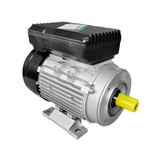
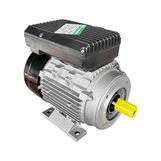
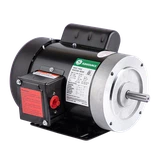
If you're in the market for an AC motor, you might be interested in some of the different types available. Check out our AC Torque Motor, AC Capacitor Motor, and AC Induction Motor Single Phase options. These motors, when paired with the right AC motor capacitor for power factor correction, can offer optimal performance and energy efficiency.
As a supplier of AC motor capacitors, I can tell you that choosing the right capacitor is crucial. You need to consider factors such as the motor's horsepower, voltage, and the type of application. A capacitor that is too small may not provide enough correction, while a capacitor that is too large can cause over - correction and potentially damage the motor.
If you're looking to improve the power factor of your AC motors and save on energy costs, we're here to help. Our team of experts can assist you in selecting the right AC motor capacitor for your specific needs. Whether you're a small business owner or part of a large industrial operation, we have the products and knowledge to get the job done.
So, if you're interested in learning more about how our AC motor capacitors can benefit your electrical system, don't hesitate to reach out. Let's start a conversation about how we can work together to optimize your motor performance and reduce your energy consumption. We're eager to discuss your requirements and provide you with the best solutions for power factor correction.
References
- Electric Machinery Fundamentals by Stephen J. Chapman
- Electrical Power Systems Quality by Roger C. Dugan, Mark F. McGranaghan, Surya Santoso, and H. Wayne Beaty