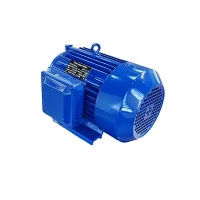
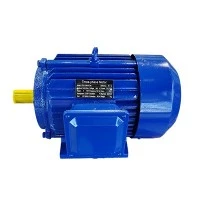
Hey there! As a supplier of motors for AC, I often get asked about the right type of lubricant for an AC motor. It's a crucial topic because using the wrong lubricant can lead to all sorts of problems, like reduced efficiency, increased wear and tear, and even motor failure. So, let's dive into what type of lubricant is suitable for an AC motor.
First off, we need to understand why lubrication is so important for AC motors. AC motors have moving parts, like bearings, that rub against each other. Without proper lubrication, this friction can generate a lot of heat, which not only wastes energy but also causes the parts to wear out faster. A good lubricant reduces this friction, keeps the motor running smoothly, and extends its lifespan.
There are different types of lubricants available, and choosing the right one depends on several factors. One of the most important factors is the operating temperature of the motor. AC motors can get pretty hot during operation, so you need a lubricant that can withstand high temperatures without breaking down.
Mineral oil - based lubricants are a common choice for many AC motors. They're relatively inexpensive and offer good general - purpose lubrication. Mineral oils have been used in the industry for a long time and are well - understood. They can handle moderate temperatures and are suitable for motors that operate under normal conditions. For example, if you have an AC Induction Motor Single Phase that runs in a typical indoor environment, a mineral oil - based lubricant might be a great option.
However, if your motor operates in a more extreme environment, say in a factory where the temperature can get really high, you might want to consider synthetic lubricants. Synthetic lubricants are engineered to have better thermal stability and oxidation resistance compared to mineral oils. They can maintain their lubricating properties at much higher temperatures, which means they can protect your motor even under the most demanding conditions.
Another factor to consider is the speed of the motor. High - speed motors require a lubricant that can provide quick and efficient lubrication. Some lubricants are formulated specifically for high - speed applications. They have a lower viscosity, which allows them to flow easily and coat the moving parts quickly. On the other hand, low - speed motors can often use lubricants with a higher viscosity, as they don't need the lubricant to flow as rapidly.


The type of bearing in the motor also plays a role in lubricant selection. Ball bearings and roller bearings have different lubrication requirements. Ball bearings generally need a lubricant that can form a thin, uniform film to reduce friction. Roller bearings, on the other hand, may require a lubricant with better load - carrying capacity.
Now, let's talk about grease. Grease is a semi - solid lubricant that's made by mixing oil with a thickening agent. It's a popular choice for many AC motors because it stays in place better than oil. Grease is great for motors that are sealed or hard to access, as it doesn't need to be replenished as often as oil. However, it's important to choose the right type of grease. There are different types of thickeners, such as lithium, calcium, and aluminum. Lithium - based greases are widely used because they offer good all - around performance, including good water resistance and oxidation stability.
If your motor is exposed to moisture or water, you need a lubricant with good water - resistance properties. Water can wash away the lubricant and cause corrosion in the motor. Some lubricants are formulated with additives that repel water and protect the motor from rust and corrosion.
For motors that are used in food - processing or pharmaceutical industries, you need to use food - grade lubricants. These lubricants are non - toxic and meet strict safety standards. They ensure that there's no risk of contamination in case of accidental contact with food or drugs.
When it comes to One Phase AC Motor or 120V AC Motor, the same principles of lubricant selection apply. You still need to consider the operating conditions, temperature, speed, and bearing type.
In addition to choosing the right lubricant, proper lubrication maintenance is also crucial. Over - lubrication can be just as bad as under - lubrication. Too much lubricant can cause the motor to overheat, as it creates more drag on the moving parts. You should follow the manufacturer's recommendations for lubricant quantity and re - lubrication intervals.
So, to sum it up, when choosing a lubricant for an AC motor, you need to take into account the operating temperature, speed, bearing type, environmental conditions, and the specific requirements of the motor. Whether it's a mineral oil - based lubricant, a synthetic lubricant, or grease, make sure it's the right fit for your motor.
If you're in the market for an AC motor or need more advice on lubrication, we're here to help. We've got a wide range of high - quality motors for AC, and our team of experts can assist you in making the right choices. Whether you're a small business owner or part of a large industrial operation, we can provide the solutions you need. If you're interested in learning more or starting a purchase negotiation, don't hesitate to reach out. We're eager to work with you to ensure your motors run smoothly and efficiently.
References
- "Motor Handbook" by various industry experts
- Technical documents from motor manufacturers
- Industry research papers on lubrication for electrical motors