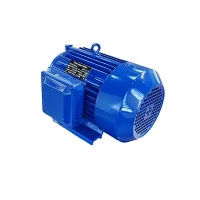
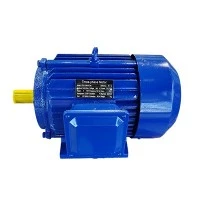
Hey there! I'm an AC Torque Motor supplier, and today I wanna chat about how the enclosure type affects the protection of an AC Torque Motor.
First off, let's understand what an AC Torque Motor is. It's a special kind of motor that can provide high torque at low speeds. These motors are used in a bunch of applications, like conveyor systems, winding machines, and even in some industrial automation setups. Now, the enclosure of a motor is like its protective shield. It keeps the motor safe from all sorts of external factors.
There are different types of enclosures, and each one offers a different level of protection. Let's start with the Open Drip-Proof (ODP) enclosure. This is a pretty basic type of enclosure. It has openings that allow air to flow through the motor, which helps with cooling. But here's the catch - it only protects the motor from dripping liquids that fall at an angle of up to 15 degrees from vertical. So, if you're using the motor in a dry environment where there's not much risk of water splashing or dust, an ODP enclosure might be okay. For example, in a clean indoor workshop where the motor is used to power a small conveyor belt, an ODP - enclosed AC Torque Motor could work just fine.
However, if the environment is a bit more challenging, say there's some dust or occasional water splashes, you might want to consider a Totally Enclosed Fan - Cooled (TEFC) enclosure. As the name suggests, it's totally enclosed, which means it keeps out dust, dirt, and water to a certain extent. There's a fan on the outside of the motor that blows air over the motor's surface to cool it down. This type of enclosure is great for industrial settings where there's a bit of mess. For instance, in a woodworking shop where there's sawdust flying around, a TEFC - enclosed 120V AC Motor would be a better choice. It'll protect the motor from the dust, which could otherwise clog up the motor's windings and cause overheating.
Then there's the Totally Enclosed Non - Ventilated (TENV) enclosure. It's also totally enclosed, but it doesn't have a fan for cooling. Instead, it relies on natural convection to dissipate heat. This type of enclosure is suitable for applications where the motor doesn't run continuously at high loads. For example, in a small printing press where the motor only runs for short periods, a TENV - enclosed 1 Phase AC Motor could be used. The lack of a fan makes it quieter, which can be an advantage in some settings.
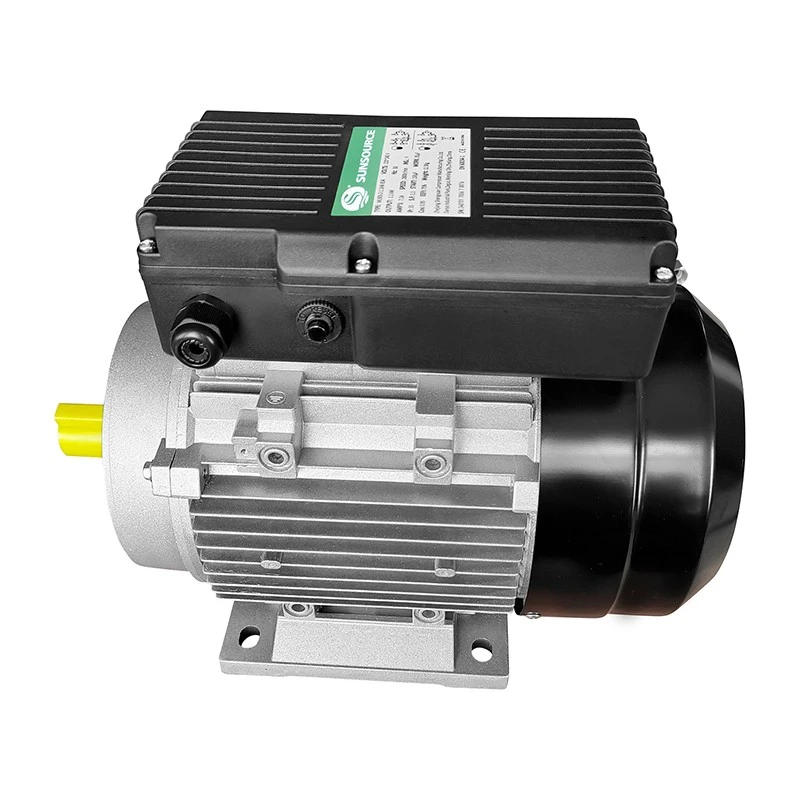

If you're dealing with really harsh environments, like those with high levels of moisture, chemicals, or explosive gases, you'll need a more heavy - duty enclosure. An Explosion - Proof (XP) enclosure is designed to contain an explosion that might occur inside the motor and prevent it from spreading to the surrounding environment. These enclosures are built to very strict standards and are used in industries like oil and gas, where there's a risk of explosive vapors. An XP - enclosed AC Torque Motor is a must - have in such situations to ensure the safety of the workers and the equipment.
Another important aspect to consider is the ingress protection (IP) rating. This rating tells you how well the enclosure protects the motor from solid objects and liquids. For example, an IP54 - rated enclosure means it's protected against dust ingress to a degree that it won't interfere with the normal operation of the motor, and it's also protected against splashing water from any direction. The higher the IP rating, the better the protection. So, when you're choosing an enclosure for your AC Torque Motor, it's a good idea to check the IP rating and match it to the requirements of your application.
Now, let's talk about how the enclosure type affects the motor's performance. A well - chosen enclosure can actually improve the motor's performance and lifespan. For example, a TEFC enclosure keeps the motor clean, which means the windings are less likely to overheat due to dust accumulation. This can lead to fewer breakdowns and longer service life. On the other hand, if you use an enclosure that's not suitable for the environment, it can cause problems. An ODP enclosure in a dusty environment might let dust in, which can increase the friction in the motor's bearings and reduce its efficiency.
The cost is also a factor. Generally, more protective enclosures like XP enclosures are more expensive. But you have to weigh the cost against the potential damage that could occur if the motor isn't properly protected. In some cases, the cost of a damaged motor and the downtime it causes can far exceed the extra cost of a better - quality enclosure.
In addition to the environmental factors, the size of the motor can also influence the choice of enclosure. Larger motors usually generate more heat, so they might require a more efficient cooling system. A TEFC enclosure with a bigger fan might be needed for a large - sized AC Torque Motor to ensure proper cooling.
When it comes to installation, different enclosures have different requirements. For example, a TEFC motor needs enough space around it for the fan to draw in and expel air effectively. If you install it in a cramped space, the cooling efficiency will be reduced. So, you need to make sure you have enough room for the motor and its enclosure during the installation process.
As an AC Torque Motor supplier, I've seen firsthand how the right enclosure can make a huge difference. I've had customers who initially chose the wrong enclosure and then had to replace the motor or upgrade the enclosure after experiencing problems. That's why I always recommend taking the time to understand the environment where the motor will be used and choosing the appropriate enclosure.
If you're in the market for an AC Torque Motor and need help choosing the right enclosure, don't hesitate to reach out. Whether you need a One Phase AC Motor for a small project or a larger motor for an industrial application, I can provide you with the right advice and the best - suited products. Contact me to start the procurement discussion and find the perfect AC Torque Motor for your needs.
References:
- "Electric Motors and Drives: Fundamentals, Types and Applications" by Austin Hughes
- Industry standards and guidelines for motor enclosures and protection ratings