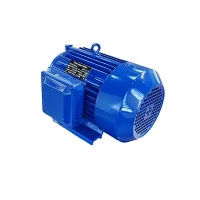
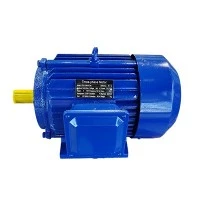
Hey there! As a NEMA motor supplier, I often get asked about the difference between NEMA and non - NEMA motors. So, I thought I'd sit down and write a blog to clear up any confusion.
First off, let's talk about what NEMA is. NEMA stands for the National Electrical Manufacturers Association. It's an organization in the United States that sets standards for electrical equipment, including motors. These standards cover things like dimensions, performance, and safety. When a motor is labeled as a NEMA motor, it means it meets these specific standards set by NEMA.
On the flip side, non - NEMA motors don't adhere to these NEMA standards. They might be made according to other international standards or no standardized specifications at all. This can lead to some significant differences between the two types of motors.
Dimensions
One of the most obvious differences is in the dimensions. NEMA motors have standardized frame sizes. This means that if you need to replace a NEMA motor, you can easily find a replacement with the exact same mounting dimensions. For example, a NEMA 48 Motor has specific physical dimensions that are consistent across different manufacturers. This standardization makes it super convenient for installation and maintenance.


Non - NEMA motors, however, can vary widely in their dimensions. This can be a real headache when it comes to replacement. You might have to do some custom modifications to get a non - NEMA motor to fit into the same space as the old one. It can also make it difficult to source spare parts because there's no guarantee that parts from one non - NEMA motor will fit another.
Performance
NEMA motors are designed to meet certain performance criteria. They have standardized efficiency ratings, power factors, and torque characteristics. For instance, a NEMA motor is likely to have a well - defined starting torque and running efficiency. This predictability is great for applications where consistent performance is crucial, like in industrial machinery.
Non - NEMA motors can have a wider range of performance characteristics. Some non - NEMA motors might be designed for very specific, niche applications and have performance features that are tailored to those needs. However, this also means that it can be harder to compare the performance of different non - NEMA motors. You really have to dig into the technical specifications to understand how they'll perform in your particular application.
Safety
Safety is a big deal when it comes to motors. NEMA has strict safety standards in place for its motors. These standards cover things like insulation, grounding, and protection against overheating. When you buy a NEMA Electric Motor, you can be confident that it has been tested and meets these safety requirements.
Non - NEMA motors might or might not follow the same safety standards. Some non - NEMA motors from reputable manufacturers will still have good safety features, but there's more variability. You need to be extra careful when choosing a non - NEMA motor to make sure it meets your safety needs.
Availability and Cost
NEMA motors are widely available in the market. Since they are standardized, many manufacturers produce them, which means there's a large supply. This competition can also drive down the cost in some cases. You can usually find a NEMA motor relatively quickly and at a reasonable price.
Non - NEMA motors, especially those with unique specifications, can be harder to find. They might have longer lead times for production and delivery. And because they are often more specialized, they can be more expensive. If you need a non - NEMA motor for a specific application, you might have to pay a premium for it.
Applications
NEMA motors are commonly used in a wide variety of industrial and commercial applications. Their standardization and reliability make them a popular choice for things like pumps, fans, conveyors, and machine tools. They are also a good fit for applications where interchangeability is important, like in a manufacturing plant where you might need to swap out motors quickly.
Non - NEMA motors are often used in more specialized or custom applications. For example, in some high - tech or research - oriented projects, non - NEMA motors might be designed to have very precise control or unique performance characteristics. They can also be used in applications where the equipment is not subject to the same standards as industrial machinery.
Small NEMA Motors
Let's talk a bit about Small NEMA Motor. These are great for applications where space is limited. They still offer the same benefits of standardization as larger NEMA motors. You can easily find small NEMA motors with the right power and performance for things like small appliances, robotics, and laboratory equipment. They are also relatively easy to install and maintain because of their standardized design.
In conclusion, the choice between a NEMA and a non - NEMA motor depends on your specific needs. If you value standardization, ease of replacement, and consistent performance, a NEMA motor is probably the way to go. But if you have a very specialized application that requires unique performance features, a non - NEMA motor might be more suitable.
As a NEMA motor supplier, I can offer you a wide range of high - quality NEMA motors that meet all the necessary standards. Whether you need a small NEMA motor for a compact project or a larger NEMA motor for an industrial application, I've got you covered. If you're interested in learning more or want to discuss your motor requirements, don't hesitate to reach out. Let's have a chat about how I can help you find the perfect motor for your needs.
References
- National Electrical Manufacturers Association (NEMA) standards documentation
- Industry reports on motor performance and applications
- Technical specifications from various motor manufacturers