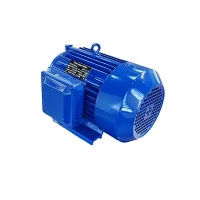
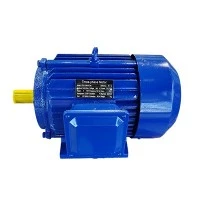
Hey there, fellow motor enthusiasts! As a NEMA motor supplier, I've seen firsthand how crucial it is to select the right motor with an appropriate IP (Ingress Protection) rating. In this blog, I'll share some tips on how to make that choice, so you can get the most out of your motor and avoid any unnecessary headaches.
What is an IP Rating?
First things first, let's talk about what an IP rating actually means. The IP rating is a standard that indicates the level of protection a motor has against solid objects and liquids. It consists of two digits: the first digit represents protection against solids, and the second digit represents protection against liquids.
The first digit ranges from 0 to 6, with 0 indicating no protection and 6 indicating complete protection against dust. Here's a quick breakdown:
- 0: No protection against solid objects
- 1: Protection against solid objects larger than 50 mm
- 2: Protection against solid objects larger than 12 mm
- 3: Protection against solid objects larger than 2.5 mm
- 4: Protection against solid objects larger than 1 mm
- 5: Protection against dust, but not completely dust-tight
- 6: Completely dust-tight
The second digit ranges from 0 to 9, with 0 indicating no protection and 9 indicating protection against high-pressure, high-temperature water jets. Here's a quick breakdown:
- 0: No protection against liquids
- 1: Protection against vertically falling drops of water
- 2: Protection against vertically falling drops of water when the enclosure is tilted up to 15 degrees
- 3: Protection against spraying water at an angle up to 60 degrees from the vertical
- 4: Protection against splashing water from any direction
- 5: Protection against water jets from any direction
- 6: Protection against powerful water jets or heavy seas
- 7: Protection against temporary immersion in water
- 8: Protection against continuous immersion in water under specified conditions
- 9: Protection against high-pressure, high-temperature water jets
For example, an IP67 motor is completely dust-tight and can withstand temporary immersion in water.
Factors to Consider When Selecting an IP Rating
Now that you know what an IP rating is, let's talk about the factors you should consider when selecting the appropriate IP rating for your NEMA motor.
Environment
The first and most important factor to consider is the environment in which the motor will be used. Is it going to be used in a clean, dry indoor environment, or is it going to be exposed to dust, dirt, and moisture? If the motor will be used in a harsh environment, you'll need a higher IP rating to protect it from damage.
For example, if you're using the motor in a factory where there's a lot of dust and debris, you'll want an IP54 or higher rating to prevent the dust from getting into the motor and causing damage. On the other hand, if the motor will be used in a clean, dry office environment, an IP20 rating may be sufficient.
Application
The application of the motor is another important factor to consider. Different applications have different requirements when it comes to IP ratings. For example, if the motor will be used in a food processing plant, it will need to be able to withstand frequent cleaning with water and cleaning agents. In this case, you'll need an IP69K rating, which provides protection against high-pressure, high-temperature water jets.
If the motor will be used in a marine environment, it will need to be able to withstand exposure to saltwater and humidity. In this case, you'll need an IP68 rating, which provides protection against continuous immersion in water under specified conditions.


Cost
The cost of the motor is also an important factor to consider. Generally speaking, motors with higher IP ratings are more expensive than motors with lower IP ratings. This is because the higher the IP rating, the more protection the motor has, which requires more advanced materials and manufacturing processes.
When selecting an IP rating, you'll need to balance the cost of the motor with the level of protection it provides. If you don't need a high IP rating, there's no point in paying for it. On the other hand, if you skimp on the IP rating and the motor gets damaged, you'll end up spending more money in the long run on repairs and replacements.
Examples of NEMA Motors with Different IP Ratings
Now that you know what factors to consider when selecting an IP rating, let's take a look at some examples of NEMA motors with different IP ratings.
IP20
An IP20 rating provides basic protection against solid objects larger than 12 mm and no protection against liquids. This rating is suitable for motors that will be used in clean, dry indoor environments, such as offices and warehouses.
One example of a NEMA motor with an IP20 rating is the NEMA 48 Motor. This motor is designed for general-purpose applications and is available in a variety of horsepower ratings.
IP54
An IP54 rating provides protection against dust and splashing water from any direction. This rating is suitable for motors that will be used in industrial environments where there's a moderate amount of dust and moisture.
One example of a NEMA motor with an IP54 rating is the NEMA 56 Motor. This motor is designed for use in a variety of applications, including pumps, fans, and conveyors.
IP67
An IP67 rating provides complete protection against dust and temporary immersion in water. This rating is suitable for motors that will be used in harsh environments where there's a lot of dust, dirt, and moisture.
One example of a NEMA motor with an IP67 rating is the NEMA Premium Efficient Motor. This motor is designed for use in a variety of applications, including food processing, packaging, and material handling.
Conclusion
Selecting the appropriate IP rating for your NEMA motor is crucial to ensure its long-term performance and reliability. By considering the environment, application, and cost, you can choose the right IP rating for your needs.
If you're still not sure which IP rating is right for your motor, don't hesitate to contact us. As a NEMA motor supplier, we have the expertise and experience to help you select the right motor for your application. We can also provide you with more information about our products and services, and answer any questions you may have.
So, what are you waiting for? Contact us today to start the procurement process and get the NEMA motor you need with the appropriate IP rating.
References
- International Electrotechnical Commission (IEC). (2004). IEC 60529: Degrees of protection provided by enclosures (IP Code). Geneva, Switzerland: IEC.